How Much Sunlight Do Lilyturf Need?
1
Lilyturf flourishes with 3-6 hours of sun exposure each day.
2
Lilyturf endures full sun but favors dappled light conditions.
3
Detecting light-related stress promptly can prevent permanent harm to your Lilyturf.
Optimal Illumination for Lilyturf
Partial Sun Exposure
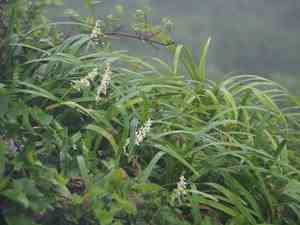
Regarding light conditions, Lilyturf thrives best with partial sun. This implies providing it with roughly 3 to 6 hours of direct sunlight daily. Morning sun and afternoon shade typically offer the ideal balance. This exposure ensures the plant receives sufficient light for photosynthesis without scorching its attractive, arching foliage.
Tolerance to Shade
A key characteristic of Lilyturf is its ability to tolerate shade. While the plant flourishes in partial sun, it adapts quite well to shaded environments too. This makes Lilyturf an excellent selection for garden areas with limited sunlight. However, avoid extremely dark locations as they might impede its growth and diminish its overall vitality.
Detecting Light-Related Stress in Lilyturf
Indicators of Excessive Sunlight
Too much sunlight can be as harmful as too little. If your Lilyturf is exposed to excessive sun, you'll observe symptoms like faded or browned leaves, crispy edges, and wilting. The plant might also display stunted development. If these signs appear, it's vital to provide some shade or consider moving the plant to a more suitable location.
Indicators of Insufficient Light
Inadequate light can cause Lilyturf to become weak and elongated. The foliage may turn a pale green, and the plant might exhibit slower growth rates. Other signs include fewer blooms and a generally sluggish appearance. Maintaining a balanced light level is crucial for preserving your Lilyturf's vibrancy and health.
Prime Locations for Cultivating Lilyturf
Garden Beds
Lilyturf serves as an excellent addition to garden beds, especially as a border or ground cover. Select a spot where it can receive morning sun but is protected from intense afternoon rays. It's a resilient plant that can handle various soil conditions, making it quite adaptable for garden use.
Containers and Planters
Cultivating Lilyturf in containers is another superb option, particularly if garden space is limited. Container planting also allows for easier management of light exposure. Position the containers where they'll get ample morning sunlight and afternoon shade. Ensure containers have proper drainage to prevent waterlogging.
Indoor and Outdoor Settings
Whether indoors or outdoors, Lilyturf can adjust well to its surroundings. Indoors, place it near a window that receives bright, indirect light. This ensures the plant gets enough photosynthetic energy without direct sunlight causing leaf burn. Outdoors, adhere to the partial sunlight guidelines to keep the plant healthy and vibrant.
Strategies for Modifying Light Exposure
Utilizing Shade Cloth
If you need to shield Lilyturf from excessive sun exposure, employing a shade cloth can be highly effective. These cloths diffuse sunlight, providing a more appropriate light level for your plant. They are especially beneficial during peak summer months when the sun is strongest.
Relocating the Plant
Sometimes, the simplest solution is to move the plant. If your Lilyturf shows signs of light stress, consider transferring it to a more suitable spot in your garden or home. Observing where the sun falls at different times of day can help you find the perfect place for your plant to flourish.



