Enhancing Your Garden Design with the Lilyturf Plant: A Landscaping Guide
1
Liriope adapts well to diverse garden designs and environments.
2
Pairing other plants with Liriope can boost its visual charm.
3
Yearly maintenance is crucial for preserving Liriope's vitality and attractiveness.
Introducing Lilyturf to Your Garden
Understanding the Aesthetic Appeal of Lilyturf
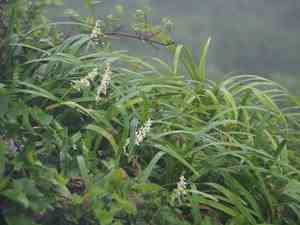
Crafting a beautiful garden often starts with selecting appropriate plants, and Lilyturf stands out due to its striking look. Its lush, ribbon-like foliage provides a rich, green backdrop, adding texture and depth to any garden space. Furthermore, Lilyturf produces delicate, bell-shaped blooms that range from white to light purple, offering a subtle yet captivating charm. This blend of leaves and flowers ensures Lilyturf is a prominent element in any landscaping project.
The Versatility of Lilyturf in Various Garden Styles
Lilyturf proves to be a adaptable addition to almost any garden style. Whether your garden design leans towards contemporary minimalism, classic English cottage, or even a tropical haven, this flexible plant integrates seamlessly. Its capacity to flourish in diverse light conditionsâfrom full sun to partial shadeâmakes it suitable for a range of environments. This adaptability means you can plant Lilyturf as ground cover in shaded spots, use it to line walkways, or even feature it in rock gardens, giving your landscape a cohesive and well-planned appearance.
Choosing the Ideal Location for Lilyturf in Your Landscape
To maximize Lilyturf's impact in your garden, selecting the correct placement is essential. This plant thrives in well-drained soil and can tolerate various light conditions, though it prefers partial shade. Consider planting Lilyturf along edges, beneath trees, or in areas where you wish to soften harsh lines. Its dense foliage makes it an excellent option for erosion control on slopes or hillsides. By thoughtfully positioning Lilyturf in your landscape, you can create captivating displays that enhance your garden's overall beauty and utility.
Companion Planting with Lilyturf
The Best Companion Plants for Lilyturf
Choosing suitable companion plants can significantly boost your garden's beauty and health. Excellent companions for Lilyturf include hostas, ferns, astilbes, and hellebores. These plants share similar growing requirements and complement Lilyturf's abundant foliage and delicate flowers. The combination of varied textures, shapes, and colors creates a visually pleasing and harmonious garden environment.
How Companion Planting Enhances the Beauty of Lilyturf
Companion planting with Lilyturf not only improves visual appeal but also fosters a healthier garden ecosystem. Thoughtfully placing complementary plants can create layers of interest and keep your garden looking stunning year-round. The contrasting textures and colors of companion plants can highlight Lilyturf's unique features, making it stand out even more. Additionally, companion plants can offer natural pest control and improve soil health, contributing to your garden's overall vitality.
Tips for Arranging Lilyturf with Other Plants
When arranging Lilyturf with other plants, consider garden design principles such as balance, unity, and proportion. Group plants with similar water and light needs to ensure they flourish together. Use Lilyturf as a border plant or ground cover to create continuity throughout your garden. Pairing it with plants of varying heights can add depth and dimension to your landscape. Remember to leave adequate space between plants to allow for growth and airflow, which helps maintain healthy foliage.
Seasonal Considerations for Lilyturf
What to Expect from Lilyturf in Different Seasons
Lilyturf offers year-round appeal, but its appearance and care requirements can shift with the seasons. In spring and summer, Lilyturf typically produces its most vibrant foliage and flowers, making it a garden highlight. As autumn approaches, its leaves may change color, adding a new dimension to your landscape. Winter can be harsher on Lilyturf, especially in colder regions, but its resilient nature often ensures it recovers in spring. Understanding these seasonal changes allows for more effective garden planning and maintenance.
Preparing Lilyturf for Changing Seasons
Caring for Lilyturf throughout the year involves some seasonal preparations to keep it healthy. In spring, apply a balanced fertilizer to support new growth. During summer, ensure consistent watering, especially during dry periods, to maintain lush foliage. As fall arrives, remove any dead or decaying leaves to prevent diseases. In colder climates, consider adding a layer of mulch around the plant's base to insulate it from freezing temperatures in winter. These steps will help Lilyturf remain a vibrant part of your landscape throughout the year.
Maintaining Lilyturf in Your Landscape
Regular Maintenance Tips for Lilyturf
Maintaining Lilyturf in your landscape is relatively simple with some consistent care. Water the plant deeply but infrequently to encourage robust root growth. Prune any yellowing or dead leaves to keep the plant looking its best and to prevent potential diseases. Apply a layer of organic mulch to retain moisture and suppress weeds. Additionally, dividing clumps of Lilyturf every few years helps manage its spread and revitalizes the plant, promoting vigorous growth.
Dealing with Common Issues in Lilyturf
Despite being relatively low-maintenance, Lilyturf can occasionally encounter problems such as pests or diseases. Common pests include slugs and snails, which can be managed with natural deterrents like crushed eggshells or commercial slug pellets. Fungal diseases may occur in overly wet conditions, so ensure proper drainage and avoid overwatering. If you notice any signs of disease, promptly remove affected leaves and consider using an organic fungicide. Regular monitoring and early intervention are crucial for maintaining a healthy Lilyturf.
Creative Ways to Showcase Lilyturf in Landscaping
Innovative Design Ideas for Lilyturf
Creativity in landscaping can transform Lilyturf into a prominent feature in your garden. Consider using Lilyturf to create living borders that define garden beds or pathways. Planting it in decorative pots can bring its beauty to patios or balconies. For a modern touch, combine Lilyturf with sleek stones or gravel to create a minimalist Zen garden. These innovative design ideas help you leverage Lilyturf's aesthetic appeal in various landscaping scenarios.
Using Lilyturf as a Focal Point in Garden Design
Lilyturf can serve as an excellent focal point in your garden, attracting attention and creating visual interest. Place it in prominent areas such as the center of a flower bed or at the end of a garden path. Enhancing its role as a focal point might involve grouping several Lilyturf plants together or pairing it with striking garden ornaments like statues or water features. By highlighting Lilyturf in key areas, you can create captivating focal points that enhance the overall design of your landscape.



