How to Prune Lilyturf?
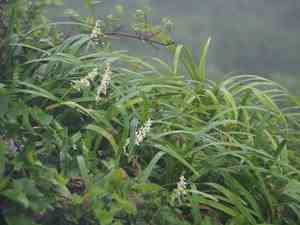
Distinguished by its blade-like foliage, lilyturf serves as a resilient ground cover. For optimal vitality and aesthetic appeal, remove withered or discolored leaves at any point, employing sharp cutting tools. After flowering, cut back the spent flower stems to foster tidiness. The most favorable time for trimming is from spring to early autumn, aligning with its vigorous growth phase. Pruning during this interval stimulates revitalization, prevents excessive density, and preserves its verdant, well-kept appearance. Refrain from extensive trimming late in the season to avert harm prior to its winter resting period.
Advantages of Trimming Lilyturf
Advantages of Trimming Lilyturf
Trimming lilyturf promotes robust development by eliminating dead or overgrown parts, fostering a strong plant structure. Regular shaping maintains lilyturf's appearance, contributing to a neat landscape.
Optimal Time for Trimming Lilyturf
Optimal Time for Trimming Lilyturf
Trimming lilyturf in spring allows for the removal of any winter damage before the onset of vigorous growth, ensuring the plant's energy is directed into the production of healthy new foliage. Early summer pruning is ideal for shaping lilyturf as it is still growing actively, which promotes quick healing and regrowth. Early fall, after the main growing season, is suitable for light trimming to maintain shape and size before lilyturf enters dormancy. It is important not to prune late in the fall because cuts may not heal before the cold weather sets in, which could lead to frost damage. These specific seasons are chosen to avoid disrupting lilyturf's natural lifecycle, thus maintaining the health and aesthetic appeal of the plant.
Required Tools for Trimming Lilyturf
Hand Pruners
Perfect for making precise cuts on lilyturf's foliage or for thinning out small, dense sections of growth. They enable close, clean cuts that aid the plant's healing and encourage new growth.
Shears
Handheld shears are designed for trimming and shaping lilyturf's grass-like leaves, especially when neat edges or specific forms are desired. Their long blades facilitate a uniform look.
Gardening Gloves
Protects hands from sharp edges of lilyturf's foliage during the pruning process and ensures a safe grip on the tools.
How to Trim Lilyturf
Clean Tools
Sanitize your pruning tools with a solution of one part bleach to nine parts water to prevent disease spread.
Inspect
Examine lilyturf for diseased leaves, identified by discoloration or spots, and isolate them for removal.
Prune
Using pruning shears, carefully cut away diseased leaves at the base where they meet the stem.
Dispose
Dispose of all removed material from lilyturf away from healthy plants to prevent disease transmission.
Clean Up
Clean all tools with soapy water followed by disinfectant and tidy up the work area to minimize risk of infection.
Common Trimming Errors with Lilyturf
Over-Pruning
Removing too much foliage at once can stress lilyturf, leading to poor growth or even plant death. It's essential to prune no more than one-third of the plant at a time.
Improper Cutting Technique
Using dull or dirty tools can cause jagged cuts that may invite pests and diseases. Make clean cuts with sharp, sterilized pruning shears.
Random Cutting
Cutting without a clear purpose can result in uneven growth and can damage lilyturf. It is important to make targeted cuts to remove dead or yellowing leaves and to maintain plant shape.
Neglecting To Remove Spent Flowers
Failing to deadhead, or remove, spent flowers can prevent lilyturf from producing new blooms, as the plant may focus energy on seed production.
General Trimming Advice for Lilyturf
Selective Thinning
Selectively remove some of the older, larger leaves to allow light to reach lower parts of the plant, which encourages more uniform growth and flowering.
Maintenance Pruning
Regularly trim away dead or yellowing leaves to keep lilyturf looking tidy and to maintain plant health.
Shaping
To maintain a desired shape or limit the size of lilyturf, prune gently, focusing on trimming the tips of the plants during the active growing season.
Clean Tools
Always use clean, sharp pruning tools to make precise cuts and avoid the spread of disease. Sterilize the tools before and after use.



