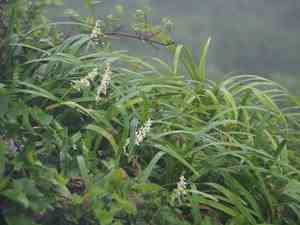
Lilyturf (Ophiopogon jaburan)
Also known as: Giant lilyturf, Liriope gigantea
Lilyturf, originating from the tropical regions of Southeast Asia, is a creeping herbaceous plant known for its striking variegated leaves. Often utilized for its decorative foliage, it is popular in flowerbeds and borders. Its low maintenance needs make it an ideal indoor potted plant, as it is one of the easiest houseplants to care for.
In This Article
Attributes of Lilyturf
Lifespan
Perennial
Plant Type
Herb
Plant Height
50 cm
Spread
30 cm
Leaf Color
Green
Flower Size
0.5 inches
Flower Color
White Purple
Images of Lilyturf
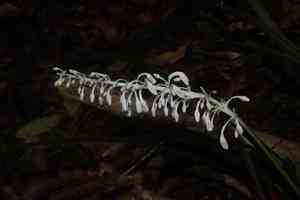
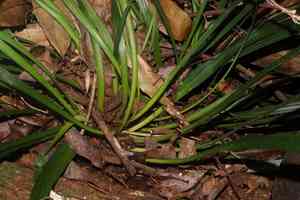
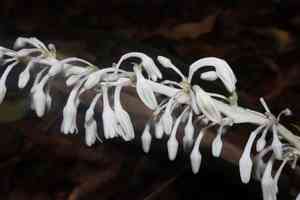
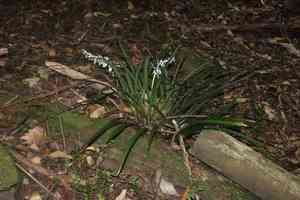
Quickly Identify Lilyturf
1
Dense clumps of slender dark green leaves up to 24 inches long.
2
Elegant arching of leaves with white half-inch flowers on 2-foot spikes.
Scientific Classification of Lilyturf
Phylum
Vascular plants
Class
Monocotyledons
Order
Asparagales
Family
Asparagus
Genus
Lilyturfs
Species
Lilyturf
Planting and Growing of Lilyturf
Care Difficulty
Easy
Watering Schedule
Every 3 days
Sunlight Requirements
Partial sun
Sunshine Duration
4-6 hours
Ideal Temperature
60-75℉
Soil Type
Potting Mix, Peat Mix
Soil pH
6.5-7.5
Fertilizer Type
Balanced
Pruning Season
Spring, Summer
Pruning Area
Branches, Leaves
Pruning Frequency
2 times a year
Repotting Season
Spring
Pot Type
Terracotta, Plastic
 How to Water Lilyturf?
When watering Ophiopogon jaburan, it's critical to ensure the soil is evenly moist but not waterlogged. A general rule of thumb is about 250 ml per session, ensuring that the water reaches the roots without pooling on the surface. Watering should allow the soil to dry out slightly between waterings, mimicking the plant's natural environment.
What are the symptoms of an underwatered Lilyturf?
›
What should I do if my Lilyturf is not getting enough water?
›
What are the symptoms of an overwatered Lilyturf?
›
How to save an overwatered Lilyturf?
›
 What Are the Sunlight Requirements for Lilyturf?
Ophiopogon jaburan flourishes under partial sun to full shade conditions. Proper lighting conditions enhance its lush green foliage and overall vitality, replicating its native habitat's ambiance.
More About Sunlight Requirements Techniques→
What is the ideal light condition?
›
How can this light condition be achieved?
›
What are the benefits of ideal lighting for this plant?
›
 What Is the Ideal Temperature Range for Lilyturf?
Ophiopogon jaburan thrives best in temperatures ranging from 60°F to 75°F. During this range, the plant undergoes optimal growth and development, ensuring lush foliage and overall health. Maintaining this temperature leads to robust system establishment.
 What Soil is Best for Lilyturf?
Ophiopogon jaburan thrives in well-drained soil to prevent waterlogging, which can lead to root rot. This drainage ensures the roots receive the right amount of moisture without being drenched, crucial for optimal health and growth. The plant benefits from a nutrient-rich soil that provides essential minerals necessary for vibrant foliage and robust root development. Such soil supports sustained growth and resistance to diseases. Preferring a slightly acidic environment with a pH between 6.5 and 7.5, this plant maximizes nutrient uptake. The acidity level allows for improved absorption of elements like iron and magnesium, enhancing foliage color and vitality.
 How to Fertilize Lilyturf?
For Ophiopogon jaburan, applying a balanced fertilizer, such as a 10-10-10 NPK formula, is ideal. For liquid fertilizer, a concentration of one teaspoon per gallon of water is sufficient to promote healthy foliage and root growth without overwhelming the plant.
 How to Prune Lilyturf?
Before you begin pruning Ophiopogon jaburan, gather clean and sharp pruning shears or scissors. Ensuring your tools are sanitized will help prevent the spread of disease. Wear gloves to protect your hands, especially if your plant is located amongst other potentially harmful flora. Start by removing leaves that are dead, discolored, or damaged, cutting them back to the base of the plant. Be careful not to cut healthy leaves. If the plant is becoming too dense, you can selectively thin out some growth to improve air circulation, which reduces the risk of mildew.
More About Pruning Techniques→
 How to Propagate Lilyturf plant?
1
Collect seeds from mature Ophiopogon jaburan plants after flowering. Ensure seeds are fully ripened and dry before planting to increase germination success.
2
In early spring, dig up mature plants and carefully separate clumps with roots intact. Replant the divisions promptly to establish them in new locations.
3
Sow seeds in a seed tray filled with well-draining potting mix. Cover seeds lightly with soil and water gently. Keep the tray in a warm, bright location until germination.
 How to Repot Lilyturf plant?
1
Ophiopogon jaburan, commonly known as mondo grass, signs it's time for repotting when you see roots crowding around the pot's drainage holes, or the plant's growth has noticeably slowed. Spring or early summer is ideal as active growth helps the plant recover swiftly, enjoying the new nutrients and space.
2
Select a pot about 2 inches wider in diameter than the current one. A pot with good drainage is essential to prevent waterlogging, which can cause root rot. A slightly wider but not too deep pot helps maintain soil moisture and encourages horizontal root growth, mimicking its natural habitat.
3
A well-draining potting mix is ideal for Ophiopogon jaburan to avoid water retention, which can lead to root rot. Soil commonly used for houseplants or slightly sandy soil ensures that excess water drains away swiftly, providing oxygen to the roots and promoting healthy growth.



