How Much Sunlight Do Creeping wire vine Need?
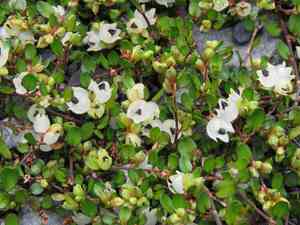
1
Creeping wire vine flourishes optimally with ample sunlight, requiring a minimum of 6 hours of direct sun each day.
2
It can endure some partial sun, offering flexibility for different garden locations.
3
Observing and modifying light conditions helps avoid signs of distress in your Creeping wire vine.
Understanding Creeping wire vine Sunlight Needs
Ideal Sunlight Conditions
The Creeping wire vine, known for its hardiness and adaptability, thrives best in full sun. This plant variety loves to soak in at least 6 to 8 hours of direct sunlight daily. Ensuring your Creeping wire vine is situated where it can receive ample sunlight will promote healthy and vigorous growth. For optimal development, aim to place it where it gets morning sun and some afternoon shade, especially during the intense summer months.
Effects of Direct Sunlight
While Creeping wire vine enjoys sunlight, it's crucial to understand the impact of prolonged direct sun, particularly in peak summer. Extended exposure to strong, direct sunlight can lead to scorched foliage and dehydration. Signs of sun damage may include browning or yellowing of the leaves. To prevent this, ensure the plant receives morning sun and some protection from intense afternoon rays, achievable through strategic placement or temporary shading during hot periods.
Partial Sun/Shade Requirements
Although Creeping wire vine flourishes in full sunlight, it is quite flexible and can tolerate partial sun, making it a versatile choice for various garden environments. If placed in a partially shaded area, ensure it receives approximately 4 to 6 hours of sunlight to maintain its lushness and vitality. In less sunny spots, the plant may grow slower, but it will still retain its appeal and health. This characteristic makes it suitable for locations with dappled sunlight or shade for part of the day.
Best Locations for Creeping wire vine
Outdoor Settings
For outdoor placement, select spots that offer maximum sun exposure. Gardens and landscapes facing south or southwest are ideal, as these areas typically receive abundant sun. If grown in the ground, ensure it's in well-draining soil to prevent waterlogging, which can be harmful despite sun exposure.
Indoor Growing Conditions
If you plan to cultivate Creeping wire vine indoors, position it near a bright window that gets plenty of sunlight. East or west-facing windows are preferred. If direct sunlight is too strong, sheer curtains can diffuse the light, preventing potential leaf burn while still providing ample brightness essential for growth.
Balcony and Patio Placement
Balconies and patios can be excellent locations for Creeping wire vine if they receive sufficient sunlight. Consider placing your plant in hanging baskets or decorative pots that can be easily moved to ensure optimal light exposure throughout the day. South or west-facing balconies typically provide the most sun.
Monitoring and Adjusting Sun Exposure
Identifying Sunlight Stress Symptoms
Regularly observing your Creeping wire vine can help you detect and alleviate sunlight stress. Symptoms of excessive sun include scorched edges, yellowing, or browning of leaves. If you notice these signs, consider moving the plant to a location with partial shade or using protective measures like shading cloths during intense sunlight.
Seasonal Sunlight Adjustments
Adjusting the plant's exposure based on seasonal changes is crucial for maintaining its health. During hotter months, providing partial shade in the afternoons can prevent leaf burn. Conversely, in winter, relocating the plant to a bright, sunny spot helps compensate for shorter daylight hours and reduced light intensity.
Supplementary Lighting for Creeping wire vine
Using Grow Lights
In indoor environments or during less sunny periods, supplemental lighting can ensure your Creeping wire vine receives adequate light. LED grow lights are an excellent choice as they provide a full spectrum that mimics natural sunlight. Position the lights approximately 12 inches (30 cm) above the plant and operate them for about 12-16 hours daily to supplement natural light.
Optimizing Light Cycles
Optimizing light cycles involves managing the duration and intensity of artificial lighting to create a balanced environment. Mimic natural day-night cycles to prevent growth disruptions. Using timers for grow lights can help regulate the illumination period, promoting consistent growth and avoiding overstimulation.



