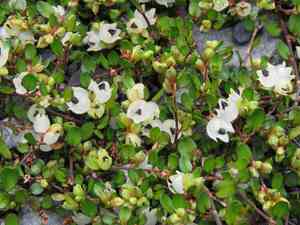
Creeping wire vine (Muehlenbeckia axillaris)
Also known as: Wire Vine, Creeping Wire Vine
The plant you're referring to is likely **Creeping Wire Vine (Muehlenbeckia axillaris)**. This ground-covering plant features zig-zag stems, tiny leaves, and small flowers. It's an excellent choice for rock gardens. The species name 'axillaris' indicates that the flowers grow in the leaf axils. The plant also produces small, sweet, edible fruits that can be enjoyed either raw or cooked.
In This Article
Attributes of Creeping wire vine
Lifespan
Perennial
Plant Type
Shrub
Plant Height
10 cm
Spread
1 m
Leaf Color
Green
Flower Size
2.5 cm
Flower Color
Yellow Green White
Images of Creeping wire vine
Quickly Identify Creeping wire vine
1
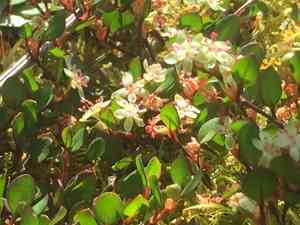
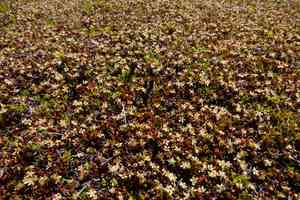
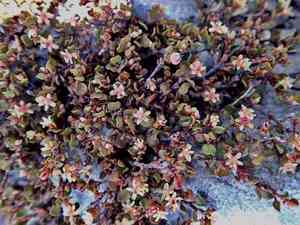
Identify Muehlenbeckia axillaris by its wiry, spreading stems, small, rounded to heart-shaped leaves, and tiny white flowers. The plant has a dense, mat-like growth habit and can often be found creeping along the ground or over rocky surfaces.
Scientific Classification of Creeping wire vine
Phylum
Vascular plants
Class
Dicotyledons
Order
Caryophyllales
Family
Buckwheat
Genus
Maidenhair
Species
Creeping wire vine
Planting and Growing of Creeping wire vine
Care Difficulty
Easy
Watering Schedule
Every 3 days
Sunlight Requirements
Full sun
Sunshine Duration
4-6 hours
Ideal Temperature
50-75℉
Soil Type
Potting Mix, Peat Mix
Soil pH
6.5-7.5
Fertilizer Type
Balanced
Pruning Season
Spring, Summer
Pruning Area
Branches, Leaves
Pruning Frequency
Once a year
Repotting Season
Spring
Pot Type
Plastic, Ceramic
 How to Water Creeping wire vine?
Muehlenbeckia axillaris prefers consistent moisture but does not like to sit in waterlogged soil. Watering should ideally moisten the top few inches of the soil but should be adjusted depending on the climate and soil conditions. Ensure good drainage to protect the roots from rot.
What are the symptoms of an underwatered Creeping wire vine?
›
What should I do if my Creeping wire vine is not getting enough water?
›
What are the symptoms of an overwatered Creeping wire vine?
›
How to save an overwatered Creeping wire vine?
›
 What Are the Sunlight Requirements for Creeping wire vine?
Muehlenbeckia axillaris prospers in full to partial sun, benefiting from strong yet controlled sun exposure, leading to enhanced growth and foliage vibrancy.
More About Sunlight Requirements Techniques→
Ideal Light Exposure
›
Steps to Ensure Ideal Light
›
Benefits of Ideal Lighting
›
 What Is the Ideal Temperature Range for Creeping wire vine?
The ideal temperature range for growing Muehlenbeckia axillaris is between 50°F to 75°F. Within this range, the plant can thrive best as it emulates the moderate climates that closely resemble its natural habitat. Such conditions ensure optimal growth and development, promoting healthy foliage and optimal plant condition.
 What Soil is Best for Creeping wire vine?
Muehlenbeckia axillaris thrives best in well-draining soil. This aspect is essential as it replicates their natural habitat, preventing root rot by allowing excess water to escape quickly. A nutrient-rich medium supports the vigorous growth of this plant. Providing ample nutrients through organic matter not only fosters healthy foliage but also enhances the plant's resilience against diseases. While drainage is crucial, maintaining moderate moisture is equally vital. Loamy soil balances these needs, ensuring that the plant remains hydrated without being waterlogged.
 How to Fertilize Creeping wire vine?
Muehlenbeckia axillaris prefers a balanced and mild feeding regimen. When applying liquid fertilizer, mix at a quarter strength to provide gentle nourishment. Avoid over-fertilizing as it may lead to root burns or excessive growth.
 How to Prune Creeping wire vine?
Start by examining the plant to identify any dead or damaged stems, removing them with sharp scissors or pruning shears. Focus on trimming back sprawling or overly long branches to maintain a tidy appearance. It's important to make cuts just above a leaf node to encourage bushier growth. For shaping, clip back branches that are extending beyond their designated space. This not only controls the plant's spread but also enhances its natural form. Aim to prune evenly around the plant to maintain symmetry and a compact shape.
More About Pruning Techniques→
 How to Propagate Creeping wire vine plant?
1
Select healthy stem cuttings about 10-15 cm long. Remove the leaves from the lower half of the cutting to prevent rotting when placed in the soil.
2
Sow the seeds in seed trays filled with potting soil. Cover them lightly with soil and water gently. Keep the trays in a warm location with indirect sunlight.
3
Choose a low-growing stem and bend it to the ground. Cover a portion of the stem with soil while keeping the tip exposed. Roots will develop at the buried section within a few weeks.
 How to Repot Creeping wire vine plant?
1
It's time to repot your Muehlenbeckia axillaris when you notice roots emerging from the bottom of the pot or the plant's growth seems stunted despite proper care. Other signs include soil compacting and a decline in soil drainage, contributing to overwatering issues.
2
Select a pot that is just one size larger with good drainage holes. A suitable pot ensures that the roots have plenty of room to grow, preventing them from becoming tangled or cramped, which could hinder healthy development.
3
Opt for a well-draining potting mix to allow excess water to easily escape. This choice helps avoid root rot and other moisture-related root diseases, promoting a healthier root environment and, in turn, a more vigorous plant.
Learn More About Creeping wire vine Diseases
Anthracnose
Bacterial Leaf Spot
Bacterial Soft Rot
Black Spot
Chemical Injury
Crown Gall
Damping-off
Downy Mildew
Drought Stress
Fusarium Wilt
Gray Mold
Leaf Curl
Leaf Spot
Mosaic
Nutrient Deficiency
Nutrient Toxicity
Powdery Mildew
Root Rot
Root-knot Nematode
Rusts
Sooty Mold
Spider Mites
Temperature Stress
Thrips Damage
White Mold



