Boost Growth: How and When to Repot Your Creeping wire vine Plant
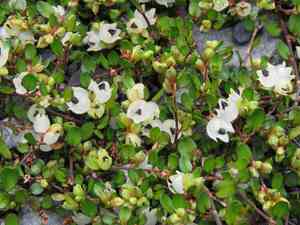
1
Transplanting your Creeping wire vine in Spring or Winter is best for its development and vitality.
2
Select a container with sufficient drainage to avoid water accumulation and root decay.
3
Employ a soil blend that drains well to maintain robust and flourishing roots.
When to Replant Your Creeping Wire Vine
Signs your Creeping Wire Vine needs a larger container
Your Creeping Wire Vine, known for its vigorous and rapid growth, signals clearly when it requires a new pot. Observe roots emerging from drainage holes or coiling within the current pot, indicating the plant is root-bound and needs more room. Other indicators include yellowing leaves or stunted growth, suggesting depleted soil nutrients needing replenishment. Providing ample space helps maintain its vibrant, green appearance.
Optimal seasons for transplanting to encourage vitality
Spring and Winter are prime times to repot your Creeping Wire Vine. During these periods, the plant is either awakening from dormancy or experiencing slower development, making it more amenable to change without the strain of intense growth demands. Repotting in these ideal seasons ensures your plant settles into its new environment smoothly and continues to flourish.
Choosing the Right Container and Growing Medium for Creeping Wire Vine
Selecting a pot with adequate water drainage
Choosing the appropriate pot is vital for your Creeping Wire Vine's health. Ensure the new container has sufficient drainage holes to prevent water accumulation at the bottom, which can cause root rot. Materials like terra cotta are excellent as they provide good aeration and prevent waterlogging. If using a decorative pot without holes, consider it as an outer cover for a functional inner pot.
Ideal soil types for your Creeping Wire Vine
Your Creeping Wire Vine thrives in well-draining soil. A blend of potting mix with sand or perlite is perfect, as it ensures good drainage while retaining necessary moisture. Avoid dense, clay-based soils as they can hold too much water, leading to root rot. A balanced mix will offer the right conditions for your plant to absorb nutrients and grow robustly.
Step-by-Step Guide to Repotting a Creeping Wire Vine
Preparing your plant and workspace before beginning
Before repotting, gather all necessary items including your new pot, soil mixture, and tools like a small trowel. Water your Creeping Wire Vine a day prior to reduce stress and facilitate its removal from the existing pot. Prepare your area by spreading newspapers or a tarp to catch any spilled soil.
Gently removing your plant from its current container
To extract your Creeping Wire Vine from its current pot, carefully turn the pot on its side and tap the base to loosen the soil. Gently slide the plant out, avoiding any pulling on the stems. If the plant is stuck, run a knife around the pot's edge to free it.
Inspecting and trimming the root system, if required
Once the plant is out, examine the root system. Trim any dead or decaying roots with clean shears. If the roots are densely packed, gently separate them to encourage new growth. A healthy root system is crucial for the plant's overall vigor.
Placing your Creeping Wire Vine in its new pot and soil
Add a layer of soil to the bottom of your new pot. Position your Creeping Wire Vine centrally and fill around it with the new soil mix, ensuring the plant is at the same depth as before. Gently press the soil to remove air pockets without over-compacting it.
Aftercare tips to encourage recovery and growth post-repotting
After repotting, water your plant thoroughly, allowing excess water to drain. Place your Creeping Wire Vine in a bright, indirect light location to help it acclimate. Avoid fertilizing for a few weeks to let the plant adjust. Monitor moisture levels closely, watering only when the top 5 centimeters (2 inches) of soil feels dry.
Common Mistakes to Avoid When Repotting Creeping Wire Vine
Avoiding excessive watering immediately after transplanting
It's vital not to overwater your Creeping Wire Vine right after repotting, as the roots are vulnerable to rot during this transition. Ensure the soil is moist but not saturated, and allow it to dry slightly between waterings.
Ensuring roots are not damaged during the process
Handle the roots with care when repotting. Damaging the roots can stress the plant and impede its growth. Use sharp, clean scissors to trim any dead roots and be gentle when untangling bound roots to promote healthier regrowth.
Selecting the correct pot size to prevent restricted development
Choosing a pot one size larger than the current one, approximately 5 to 7.5 centimeters (2–3 inches) wider in diameter, is ideal. A pot that is too large can lead to water retention issues, while a pot that's too small can restrict root growth. The right size ensures the plant has space to grow without waterlogging.



