Enhancing Your Garden Design with the Creeping wire vine Plant: A Landscaping Guide
1
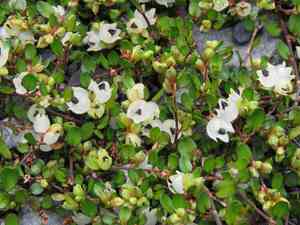
Muehlenbeckia complexa exhibits a trailing growth pattern, making it adaptable for diverse garden applications.
2
Perfect for covering ground, Muehlenbeckia complexa aids in preventing soil degradation while introducing foliage.
3
Combining Muehlenbeckia complexa with enduring plants can improve your garden's environmental equilibrium.
Understanding the Growth Pattern of Creeping wire vine
Explore the vine-like growth habit of Creeping wire vine
Creeping wire vine, with its distinct trailing growth, spreads across surfaces or ascends when supported. This characteristic makes it adaptable, as it can effortlessly cover a large area of your garden. The plant features small, rounded leaves and delicate stems that form a dense mat, perfect for concealing unattractive spots or adding a uniform green layer. Whether utilized for ground cover or as a decorative element on trellises, Creeping wire vine offers unique visual appeal with minimal upkeep.
Seasonal growth changes and what to expect throughout the year
Creeping wire vine demonstrates remarkable seasonal adaptability. During spring and summer, anticipate vigorous growth with abundant greenery. The plant flourishes in these periods, providing rapid coverage and vibrant foliage. In autumn, its growth rate may slow, yet it retains its green charm. In winter, while hardy in cold climates, you might observe slight browning or dormancy in extreme conditions. However, it revives once frost subsides, making it a resilient choice for perennial landscaping.
Ideal Placement of Creeping wire vine in Landscape Designs
Tips for integrating Creeping wire vine into garden beds
Incorporating Creeping wire vine into your garden beds is a simple process that can lead to significant transformation. Start by selecting an area with moderate to full sun exposure. Ensure the soil drains well to prevent waterlogging, which can harm the roots. You can plant Creeping wire vine along the edges of flower beds to create a natural, appealing border. Its neutral green hue complements other colorful blooms, providing a balanced and harmonious look to your garden.
Using Creeping wire vine as a ground cover: Advantages and considerations
Utilizing Creeping wire vine as a ground cover is a popular landscaping option for several reasons. Firstly, it helps prevent soil erosion by stabilizing the ground with its extensive root system. Furthermore, it suppresses weed growth, reducing the need for pesticides and herbicides. This not only promotes a healthier garden environment but also decreases your maintenance time. However, consider its growth habit; while it spreads slowly initially, it can cover large areas over time. Regular monitoring is advised to ensure it doesn't invade desired spaces.
Creative ways to drape Creeping wire vine in vertical spaces
Creeping wire vine isn't limited to horizontal surfaces; its climbing ability makes it an excellent candidate for vertical gardening. You can drape it over walls, fences, and trellises to create a lush, green backdrop. Use wire meshes or trellis structures to guide its upward growth. This method not only adds a unique dimension to your garden but also conserves ground space, making it ideal for smaller gardens or urban settings. Additionally, vertical gardening with Creeping wire vine can form privacy screens and windbreaks, enhancing both the aesthetic and practical aspects of your outdoor area.
Companion Planting with Creeping wire vine
Choosing complementary plants for visual and ecological balance
When companion planting with Creeping wire vine, select plants that share similar sun and soil preferences. Perennials like lavender or ornamental grasses beautifully complement Creeping wire vine, creating a visually appealing combination. The contrasting textures and colors can elevate your garden's overall aesthetic. Additionally, these plants can attract beneficial insects, fostering a healthier garden ecosystem. Careful companion selection ensures Creeping wire vine and its partners thrive together, enhancing both beauty and ecological balance in your landscaping design.
Benefits of mixing Creeping wire vine with perennial species
Combining Creeping wire vine with perennial species offers numerous advantages. Perennials provide stable structure and year-round interest, while Creeping wire vine offers versatile ground coverage and climbing greenery. This combination can create layers of vegetation, adding depth and complexity to your garden. Moreover, perennials often have deeper root systems, which can help improve soil health and structure, benefiting Creeping wire vine as well. This synergy results in a robust, low-maintenance garden that thrives year after year, offering both beauty and ecological advantages.
Maintaining the Aesthetic Appeal of Creeping wire vine
Basic trimming techniques for lush growth
Keeping Creeping wire vine in optimal condition requires some fundamental trimming methods. Regularly prune the tips to encourage denser growth and prevent it from becoming sparse. Use sharp, clean scissors or pruning shears to trim the vines. Focus on areas that appear thin or overgrown. By doing this, you will promote healthier foliage and prevent diseases. Remember, light trimming throughout the growing season works best, ensuring your Creeping wire vine remains lush and attractive.
How to handle overgrowth without intensive care
Managing overgrowth can be challenging, but with Creeping wire vine, it's achievable with minimal effort. If the plant begins to spread too aggressively, simply trim back the excess. Ensure you remove not just the stems but also some of the roots from shaded and unwanted areas. This helps redirect the plant's energy towards more desired growth regions. Also, consider mulching around the base to naturally control its spread. This method reduces the need for constant pruning and helps maintain the plant's aesthetic appeal without intensive labor.



