How Much Sunlight Do Common medlar Need?
1
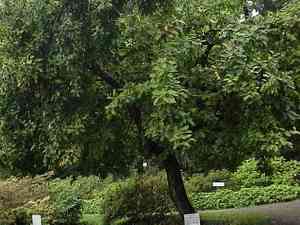
Common medlar flourishes with ample sunlight, requiring over six hours of direct sun each day.
2
While Common medlar can endure some shade, it yields the most fruit when exposed to full sun.
3
Consider how sunlight changes throughout the year to support your Common medlar's best development.
Ideal Light Conditions for Common Medlar
Required direct sun exposure
Common medlar thrives in ample sunlight. For peak growth and fruit yield, aim for at least 6 to 8 hours of direct sun daily. This is especially vital for lush foliage and abundant harvests.
Is partial shade acceptable?
While full sun is optimal, Common medlar tolerates partial shade, meaning 4 to 6 hours of daily sunlight. However, reduced light may lead to fewer fruits. For a generous harvest, maximize sun exposure.
Impact of seasonal changes on sunlight
Seasonal shifts significantly alter light exposure. Longer, higher sun days in spring/summer provide more light. Shorter days and lower sun angles in fall/winter mean less. Plan planting to maximize winter/autumn sun, ideally a site with consistent daily light.
Year-Round Sunlight Needs
Spring light requirements
In spring, as Common medlar exits dormancy, ample sunlight is crucial to kickstart growth. Position it to receive at least 6 hours of direct sun daily to stimulate new growth and flower bud formation.
Summer light requirements
Summer is when Common medlar truly flourishes. Long days provide abundant sunlight, promoting vigorous growth and fruit development. Ensure no excessive shading from nearby trees or structures, allowing 6 to 8 hours of full sun daily during peak season.
Fall light requirements
As daylight wanes in fall, ensure your Common medlar still gets enough sunlight to ripen fruits and prepare for dormancy. Aim for 4 to 6 hours of sun during these cooler months. This sustained light aids in energy storage for winter survival.
Winter light requirements
During winter, Common medlar enters dormancy, needing less sunlight than other seasons. However, providing as much light as possible helps maintain overall health. Plant it where it receives winter sun for at least a few hours daily.
Ensuring Proper Sun Exposure for Common Medlar
Selecting the right planting site
Choosing an optimal location for your Common medlar is essential. Pick an open area free from overhead shading, like buildings or tall trees, ensuring the plant gets unobstructed sunlight all day. An eastern or southern-facing spot usually offers the best exposure.
Adjusting surrounding plants and structures
Strategic placement is key in modern gardening. Avoid planting your Common medlar near large plants or structures that might cast shadows. Prune back any overhanging branches of nearby trees to allow more sunlight. A well-arranged garden ensures your Common medlar receives necessary sunlight.
Utilizing reflective surfaces and light-colored mulch
To boost sunlight exposure, even in less sunny periods, incorporate reflective surfaces such as light-colored walls or fences near your Common medlar. Additionally, using light-colored mulch can reflect light upwards onto the plant, enhancing its overall sun exposure.
Indications of Sunlight Problems in Common Medlar
Symptoms of insufficient sunlight
Lack of sunlight shows in Common medlar through several signs. Look for stretched, spindly growth, pale or yellowing leaves, and sparse fruit production. These indicate the plant is reaching for light and lacks energy for healthy development.
Symptoms of excessive sunlight
Though sun-loving, Common medlar can suffer from too much direct light, especially in hot climates. Warning signs include scorched or brown-tipped leaves. In such cases, temporary shade during peak sun or increased watering can lessen harsh effects.
Resolving sunlight-related issues
Whether facing too little or too much sunlight, several solutions can keep your Common medlar healthy. For insufficient light, consider moving the plant to a sunnier spot or trimming obstructive surroundings. For excessive light, use shade cloths or relocate to a slightly more sheltered area. Monitor your plant regularly for necessary adjustments.



