How to Prune Common medlar?
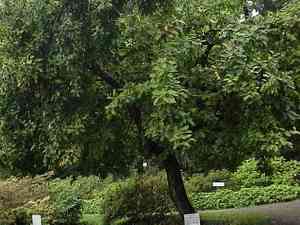
Distinguished by its expansive structure, common medlar benefits from trimming to preserve its vitality and contour. During late winter, eliminate any deceased, ailing, or congested branches to facilitate air circulation and light exposure. Reduce older wood to stimulate fresh development. Trimming common medlar while it is dormant reduces strain and fosters robust spring growth, thereby improving the caliber and dimensions of its fruit. Execute precise cuts to avert harm and guarantee a sturdy, fruitful plant.
What Are the Benefits of Pruning Common Medlar?
What Are the Benefits of Pruning Common Medlar?
Trimming common medlar encourages more robust fruit development, maintaining its desired shape and compact size. Regular cutting enhances vigor and can significantly improve the quality and quantity of its yield.
What Is the Best Time for Pruning Common Medlar?
What Is the Best Time for Pruning Common Medlar?
Pruning common medlar in late winter is considered ideal because the plant is still inactive, prior to the start of spring growth. This timing ensures cuts heal quickly with the spring growth surge, lowering disease risk. Also, without leaves, common medlar's structure is clearer, allowing for more precise pruning. It also prevents removing new growth, which would waste the plant's energy. Late winter pruning also avoids cutting off flower buds, set the previous year, ensuring flowering and fruiting are not negatively affected. Furthermore, the risk of frost damage to new cuts is minimal as the coldest part of winter has typically passed, promoting better recovery for common medlar.
What Tools Do I Need to Prune Common Medlar?
Hand Pruners
Crucial for making neat cuts on small branches and twigs of common medlar, hand pruners should be sharp and fit comfortably. Opt for bypass pruners over anvil types, as they create cleaner cuts without crushing plant tissue.
Lopping Shears
For branches too thick for hand pruners, lopping shears offer the necessary leverage. Their long handles provide extended reach into common medlar's canopy, making them perfect for shaping and removing larger limbs.
Pruning Saw
When dealing with common medlar branches over an inch and a half in diameter, a pruning saw is the preferred tool. It allows for accurate cuts on larger limbs without harming surrounding branches.
Hedge Shears
If maintaining a formal shape or hedge with common medlar, hedge shears are useful. They assist in creating straight, even lines while trimming new growth.
Pole Pruner
For higher common medlar branches that are out of reach, a pole pruner can be used to safely trim without a ladder. This tool often combines a saw and a lopping shear on an extendable pole.
How to Prune Common Medlar
Clean and sharpen tools
Before pruning common medlar, ensure all tools are clean and sharp to prevent disease spread and to make clean cuts that will heal quickly.
Remove dead branches
Eliminate all dead branches from common medlar. Cut back to living growth or the point of origin using sharp bypass pruners or a saw for thicker branches.
Cut diseased branches
Identify and remove any diseased branches on common medlar. Make cuts well below affected areas to ensure complete removal of diseased tissues.
Disinfect tools
After cutting away dead or diseased branches, sanitize all pruning tools to prevent the spread of pathogens to healthy parts of common medlar or other plants.
Thin crown
Thin out common medlar's crown if needed to improve air circulation and light penetration, which helps prevent future disease. Remove a limited number of selected branches back to their origin.
Common Pruning Mistakes with Common Medlar
Over-pruning
Removing too much growth at once can stress common medlar, leading to poor health and reduced fruit production.
Improper cuts
Making jagged or angled cuts can create entry points for disease and may not heal properly, jeopardizing common medlar's health.
Snipping indiscriminately
Pruning without a clear plan or purpose can result in an unbalanced shape and may remove buds that would produce flowers and fruits.
Neglecting tool hygiene
Using dirty or contaminated tools can spread diseases between plants and is particularly harmful to common medlar.
Common Pruning Tips for Common Medlar
Selective thinning
Remove specific branches to allow light and air to penetrate common medlar's canopy, promoting healthy growth and fruiting.
Maintaining structure
Aim to maintain a clear central leader and well-spaced lateral branches to support fruit weight and preserve the treeâs natural form.
Promote fruiting spurs
Identify and protect the short, stubby twigs (fruiting spurs) where flowers and fruit form, to enhance yields in future seasons.
Regular maintenance
Perform light pruning annually to remove dead, diseased, or damaged branches to maintain common medlar's health and aesthetics.
Sharp cuts
Use sharp, clean tools to make precise cuts close to the bud or branch to facilitate quick healing and prevent disease in common medlar.



