Common medlar(Mespilus germanica)

Common medlar (Mespilus germanica)

Also known as: Open-arse

The common medlar (Mespilus germanica) is indigenous to southeastern Europe, portions of the Middle East, and southwestern Asia. This tree has a long history of cultivation due to its unique fruits. Initially, the fruits are hard and very acidic, making them inedible. To enjoy medlar fruits, they must go through a process called bletting, which involves allowing them to soften and partially decay. This transformation renders the fruits sweet and palatable, suitable for eating both raw and cooked.

Attributes of Common medlar

Lifespan
Perennial
Plant Type
Tree, Shrub
Plant Height
8 m
Spread
6 m
Leaf Color
Green Yellow Brown
Flower Size
6 cm
Flower Color
White

ForwardPlant - Identify plants with a snap

Identify and diagnose plants, get toxicity alerts, and explore safety guides for all types of fungi.

Try for Free

Images of Common medlar

Common medlar(Mespilus germanica)

Quickly Identify Common medlar

1
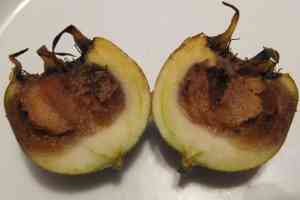
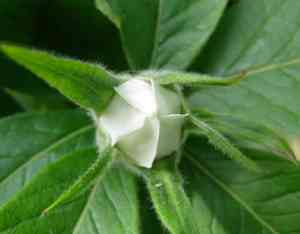
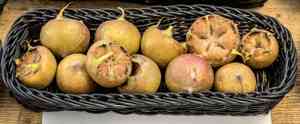
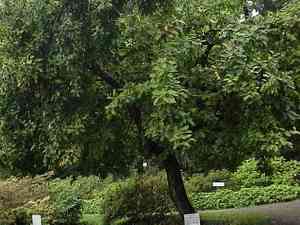
Medlars have broad, simple leaves with a serrated edge and a dull green color. Their flowers are large, white, and bloom in late spring. The fruit is distinctive with a rough, brown skin and an opened crown at the end, appearing mid to late fall.

Scientific Classification of Common medlar

Phylum
Vascular plants
Class
Dicotyledons
Order
Rosales
Family
Rose
Genus
Mespilus
Species
Common medlar

Planting and Growing of Common medlar

Care Difficulty
Easy
Watering Schedule
Every 3 days
Sunlight Requirements
Full sun
Sunshine Duration
4-6 hours
Ideal Temperature
50-75℉
Soil Type
Potting Mix, Peat Mix
Soil pH
6.5-7.5
Fertilizer Type
Balanced
Pruning Season
Spring, Summer
Pruning Area
Branches, Leaves
Pruning Frequency
2 times a year
Repotting Season
Spring
Pot Type
Plastic, Ceramic

water icon How to Water Common medlar?

Mespilus germanica, commonly known as the medlar, requires careful watering. The soil should be moist but not soggy, aiming for about 2000 ml of water per session for mature trees. Water deeply to ensure the root system absorbs enough moisture without drowning it.
What are the symptoms of an underwatered Common medlar? ›
What should I do if my Common medlar is not getting enough water? ›
What are the symptoms of an overwatered Common medlar? ›
How to save an overwatered Common medlar? ›

sunlight icon What Are the Sunlight Requirements for Common medlar?

Sunlight Requirements: Full sun, Partial sun
Duration of light: 6-8 hours daily
Mespilus germanica thrives best with 6-8 hours of full to partial sunlight daily. This amount of light encourages optimal fruit production and maintains balanced growth throughout the plant.
What is the best lighting condition for Mespilus germanica? ›
How to achieve this ideal lighting condition? ›
What benefits does ideal lighting provide to Mespilus germanica? ›
More About Sunlight Requirements Techniques→

temperature icon What Is the Ideal Temperature Range for Common medlar?

Ideal Temperature: 50 ~ 75℉
Mespilus germanica, or the common medlar, thrives best in temperatures between 50°F to 75°F. These conditions facilitate optimal growth and fruit development. Ensuring this temperature range helps maintain healthy leaf structure and promotes proper flowering and fruit set.

soil icon What Soil is Best for Common medlar?

Soil type: Loam, Sandy loam, Calcareous soil
Soil PH: 6.5 ~ 7.5
Mespilus germanica thrives in well-drained soil as it promotes healthy root growth and prevents waterlogging. This condition helps the plant avoid root rot and supports strong, productive growth. The plant requires moderately fertile soil to ensure adequate nutrient supply without excess that can lead to unwanted vegetative growth. Balanced fertility promotes abundant flowering and fruit setting. A soil that maintains a consistent level of moisture without becoming soggy is ideal. This requirement ensures sustained hydration for the plant, aiding in vital physiological processes and enhancing fruit yield.

fertilize icon How to Fertilize Common medlar?

Fertilizer type: Balanced
For Mespilus germanica, apply 1/2 cup of balanced 10-10-10 fertilizer for young plants and increase it to 1 cup for mature plants. Ensure the fertilizer is spread evenly on the soil surface.

prune icon How to Prune Common medlar?

Pruning Time: Spring, Autumn
Look for branches that appear dead, diseased, or damaged. These should be removed first to prevent the spread of any potential diseases and to maintain overall tree health. Suckers are shoots that grow from the base of the plant, while watersprouts are vigorous shoots that grow from the main branches. Remove these to direct more energy towards fruitful growth. Trim back overgrown branches to shape the medlar into a more desirable form. Aim to open up the center to allow light and air to penetrate, which helps in reducing disease risk. If the tree is getting too large for your space, selectively prune some of the branches to keep it manageable and ensure it fits well within your garden. After pruning, be sure to gather all the clippings and dispose of them properly. This helps prevent pests and diseases from harboring in the decaying plant matter. More About Pruning Techniques→

propagate icon How to Propagate Common medlar plant?

Propagate Time: Spring, Early spring, Late spring
1
Start by collecting healthy seeds from ripe fruits. Clean and dry the seeds thoroughly to prevent mold. Store them in a cool, dry place until you're ready to sow them.
2
Select a healthy, mature rootstock and scion of similar diameter. Make a clean cut on both parts and join them securely, wrapping the graft union with grafting tape.
3
Choose a low-growing branch and gently bend it towards the soil. Nick the bark slightly where it will contact the ground to induce rooting.
More About Propagating Techniques→

repot icon How to Repot Common medlar plant?

Repotting frequency: Every 2-3 years
1
Repot your Mespilus germanica when you notice roots growing out of the drainage holes or when the plant appears less vigorous. Early spring, just as new growth begins, is an excellent time to repot, ensuring the plant has a full growing season to recover and establish in its new pot.
2
Select a pot that is slightly larger than the current one, ensuring adequate drainage. A pot that is too large can lead to water retention issues, whereas one that is too small will restrict root growth. Terracotta pots are a good choice as they allow for air exchange and prevent waterlogging.
3
Opt for a soil mix that is well-draining and rich in organic matter. A loamy mix is ideal as it provides the necessary nutrients while ensuring excess water drains away, preventing root rot. Well-draining soil also helps maintain the right balance of moisture and air for the roots.

ForwardPlant - Identify plants with a snap

Find the best spots for them to optimize their health, simply using your phone.

Try for Free

Toxicity of Common medlar

Is Common medlar toxic to humans?

The common medlar exhibits a mild degree of toxicity to humans, primarily through the consumption of its seeds. These seeds contain hydrogen cyanide, a substance recognized for its potential harmful effects in adequate amounts. Ingesting the seeds can result in symptoms such as respiratory difficulties, dizziness, headaches, and, in extreme cases, convulsions and loss of consciousness. It is vital for individuals to recognize the hazards linked to the consumption of common medlar seeds, even though the flesh of the fruit is safe to eat. Precautions should be taken to remove the seeds prior to eating to avoid accidental poisoning, particularly in children who may be more vulnerable to the toxic impacts because of their lesser body weight.

Is Common medlar toxic to cat?

The common medlar presents a slight toxicity hazard for felines. If cats inadvertently eat this plant, especially the seeds, they could ingest hydrogen cyanide, which is recognized as a toxic compound. This exposure may result in symptoms of distress or illness, requiring urgent veterinary care. To avert poisoning, it is essential to keep cats away from the toxic components of the common medlar, and in case of ingestion, swift intervention at a veterinary facility is vital for the cat's health and safety.

Is Common medlar toxic to dog?

The common medlar is recognized to possess mild toxicity for dogs. Poisoning generally occurs when a dog inadvertently consumes the plant, particularly the seeds, which are known to harbor toxic compounds. If a dog ingests any part of the common medlar, it may display symptoms such as gastrointestinal distress or respiratory issues due to the hydrogen cyanide found in the seeds. It is essential for dog owners to keep a vigilant eye on their pets and restrict access to common medlar, especially the seeds. Should a dog ingest any portion of the common medlar, it is vital to seek prompt veterinary attention to ensure appropriate treatment and management of potential poisoning.

Identify toxic plants for your safety

Learn which plants are harmful to you and your pets, and make informed choices for a safer home!

Try for Free
WARNING
The judgment on toxicity and danger is for reference only. We DO NOT GUARANTEE any accuracy of such judgment. Therefore, you SHALL NOT rely on such judgment. It is IMPORTANT TO SEEK PROFESSIONAL ADVICE in advance when necessary.
More About Toxic Techniques→