How to Overwinter Common medlar
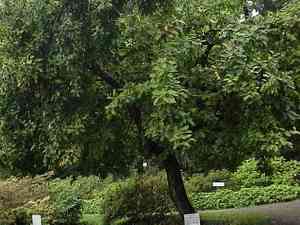
1
Common medlar tolerates temperature variations, but optimal care promotes peak well-being.
2
Trim Common medlar once leaves have fallen but prior to the initial significant frost.
3
Minimizing watering for Common medlar during winter avoids root decay.
Understanding Common medlar Frost Hardiness
Understanding Common medlar Frost Hardiness
The Common medlar, historically valued for its distinct fruit and decorative appeal, is a robust plant capable of enduring cold winters. Typically, it can withstand temperatures as low as -20°C (-4°F). However, despite its hardiness, implementing overwintering strategies will boost its health and productivity. By knowing how to prepare and safeguard your Common medlar, you can ensure its prosperity despite the cold.
Preparing Common medlar for Winter
Pruning Guidelines
Pruning is a vital step to ready your Common medlar for winter. The optimal time to prune is in late autumn, after leaf drop but before the first severe frost. Begin by removing any dead or diseased branches to prevent disease spread. Next, trim back any excessively long branches to maintain the tree's form and improve air circulation. Proper pruning promotes vigorous spring growth, ensuring your Common medlar remains strong.
Nutrient Management
Supplying your Common medlar with appropriate nutrients before winter arrives can make a significant impact. In late autumn, apply a balanced slow-release fertilizer to the soil around the tree's base. This helps strengthen the tree against winter stresses. Additionally, consider adding compost or well-rotted manure, which can enhance soil structure and provide a steady nutrient supply throughout the dormant period.
Protecting Common medlar During Harsh Winters
Mulching Techniques
Mulching is a straightforward yet effective method to shield the roots of your Common medlar during winter. Apply a thick layer of organic mulch, such as straw, wood chips, or bark, around the tree's base. Aim for a depth of approximately 7-10 cm (3-4 inches). This mulch layer acts as an insulating barrier, keeping the soil warmer and retaining moisture. Ensure the mulch is kept away from the trunk to prevent rot.
Frost Covers and Barriers
Utilizing frost covers and barriers can further safeguard your Common medlar from severe winter conditions. Frost covers, made from breathable materials, can be draped over the tree during particularly cold nights to protect it from frost. For additional defense, create barriers using stakes and burlap to block cold winds. These measures are especially beneficial for young or newly planted Common medlar trees, which are more susceptible to extreme cold.
Monitoring Common medlar Health Over Winter
Inspecting for Pests and Diseases
Even in winter, it's crucial to check your Common medlar for signs of pests and diseases. Regularly examine the tree for any irregularities, such as discolored bark, oozing sap, or unusual growths. Common pests, like aphids and scales, can sometimes overwinter on the tree. Early detection and treatment are essential to prevent infestations from spreading.
Watering Practices in Winter
While excessive watering can lead to root rot, your Common medlar still requires some moisture during winter. Water sparingly, providing just enough to keep the soil slightly moist but not waterlogged. Generally, water once a month if there hasn't been sufficient rainfall or snow. Always check the soil moisture before watering to avoid overdoing it.
When to Uncover Common medlar in Spring
Signs of New Growth
As winter recedes and spring approaches, observe your Common medlar for indications of new growth. Swelling buds and the emergence of new shoots signal that the tree is emerging from dormancy. These signs mean it's time to begin uncovering and gradually reducing the protective layers.
Gradual Exposure Techniques
To prevent shock, expose your Common medlar to the elements progressively. Remove frost covers and reduce mulch thickness slowly over one to two weeks. This gradual process helps the tree adapt to changing temperatures and light conditions, ensuring a smoother transition to the growing season.



