How Much Sunlight Do Baby jump-up Need?
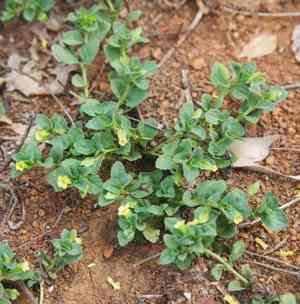
1
Baby jump-up flourishes with ample sunlight, requiring over six hours of direct light each day.
2
Excessive sun exposure can lead to burned leaves, whereas insufficient light hinders development.
3
Modifying light levels throughout the year can enhance the plant's vitality and flowering.
Optimal Illumination for Baby jump-up
Ideal Light Levels
For Baby jump-up to thrive, providing optimal sun exposure is crucial. This plant performs best in full sun, where it can receive over 6 hours of direct sunlight daily. Ensuring ample light is vital for vigorous development and abundant flowering. Remember that light intensity can vary by geographic location, so it's essential to observe your plant and reposition it as needed.
Daily Sunlight Requirements
Daily sun exposure is essential for Baby jump-up. Aim to provide the plant with up to 8 hours of direct sunlight if feasible. If grown outdoors, select a location that receives uninterrupted morning sun and some protection during the hottest part of the day to prevent excessive heat stress.
Indicators of Excessive Sunlight
While Baby jump-up generally loves sunlight, too much can be detrimental. Signs that your plant is receiving excessive sun include leaf scorch, where the foliage turns brown or crispy at the edges. You might also notice a bleached appearance on the leaves. Moving the plant to a slightly shadier spot or providing some midday shade can help alleviate these issues.
Indicators of Insufficient Sunlight
Conversely, inadequate sunlight can result in stunted growth and poor blooming. When Baby jump-up isn't getting enough light, it might appear elongated, with long, thin stems and fewer leaves. The foliage might also look pale or lack its vibrant green hue, indicating the plant's difficulty in photosynthesizing effectively. If you observe these signs, consider relocating your plant to a brighter area.
Ensuring Proper Sunlight for Baby jump-up
Selecting the Best Location
Finding the ideal spot for your Baby jump-up is critical. For outdoor cultivation, choose an area that receives full sun for most of the day, ideally with morning sunlight followed by partial afternoon shade. For indoor plants, place them near a south-facing window where they can get ample light, using sheer curtains to diffuse afternoon sun and prevent leaf burn.
Indoor vs. Outdoor Sunlight
Baby jump-up can be grown both indoors and outdoors, but their light requirements will differ. Outdoors, they benefit from natural light cycles, adapting to changing daylight hours. Indoors, you might need to supplement natural light with artificial grow lights, especially during the shorter days of autumn and winter. Ensure indoor plants are rotated regularly for even light exposure.
Adjusting Light Exposure
Modifying light exposure is essential to maintain the health of Baby jump-up. Observe your plant regularly and make minor adjustments to its light environment based on its growth and condition. For instance, in midsummer, you might need to provide additional shade, while in winter, moving it closer to a light source or using grow lights can significantly boost its vitality.
Seasonal Light Considerations
Sunlight in Spring and Summer
During spring and summer, Baby jump-up will benefit from longer days and increased sunlight. Ensure it receives ample morning sun, but be wary of intense afternoon sun which can be harsh. Using a shade cloth or moving the plant to a spot with partial afternoon shade can help prevent sun damage while still providing enough light for growth.
Sunlight in Fall and Winter
As daylight hours decrease in fall and winter, you need to adapt your plant's light conditions. Moving Baby jump-up to the brightest available spot can help, as can using artificial lighting. Maintaining a consistent light schedule will support the plantâs health and prepare it for the next growing season.
Utilizing Supplemental Lighting
In periods of reduced natural light, such as winter, supplemental lighting can be very beneficial. Use full-spectrum grow lights to mimic natural sunlight, ensuring your Baby jump-up receives at least six hours of light per day. Position the light 15-20 centimeters (6-8 inches) above the plant and use a timer to manage the light cycles effectively.
FAQs Regarding Baby jump-up Sunlight Needs
Can Baby jump-up Thrive in Full Shade?
Baby jump-up is not well-suited for full shade conditions. While it can tolerate light shade, particularly during the hottest part of the day, it requires substantial sunlight to grow robustly. In full shade, the plant is likely to become leggy with few blooms, leading to reduced overall health.
How to Protect Baby jump-up from Intense Sunlight?
To protect Baby jump-up from intense sunlight, consider using garden fabric or shade cloth during peak midday hours. Also, ensure the plant is well-watered, as hydrated plants can handle heat better. Mulching around the plant helps retain soil moisture and keeps the roots cool.
What's the Best Time of Day for Sun Exposure?
The best time for Baby jump-up to get sun exposure is during the morning and late afternoon when the light is less intense. Morning sunlight provides the energy needed for growth without the risk of scorching that can come with midday sun. Late afternoon sun can also be beneficial just before sunset.



