How to Prune Baby jump-up?
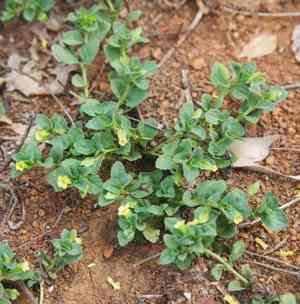
This resilient, perennial evergreen groundcover produces vivid yellow blooms. Essential trimming methods for baby jump-up include removing faded flowers and excising any deceased or injured leaves to stimulate fresh development. The most effective time for pruning is during spring and summer, coinciding with its active growth period. Consistent trimming aids baby jump-up by fostering thicker foliage, improving flower production, and preserving the plant's well-being. When performing cuts, utilize sanitized, sharp implements for accurate incisions to prevent undue strain on baby jump-up.
Advantages of Trimming Baby Jump-up
Advantages of Trimming Baby Jump-up
Trimming baby jump-up promotes robust development and helps maintain its compact structure. Deliberate cuts can encourage a denser form, ensuring a fuller and more appealing display.
Optimal Period for Trimming Baby Jump-up
Optimal Period for Trimming Baby Jump-up
From late spring to early summer, baby jump-up has typically finished its active growth phase, making it an ideal time for pruning or trimming. Pruning during these seasons encourages healthy new growth, prevents the plant from becoming leggy, and helps maintain a desired shape. It also aligns with the plant's natural growth cycle, ensuring minimal stress and better recovery post-pruning. Additionally, trimming before the onset of peak summer helps the plant to establish new growth that can mature and harden before the less favorable conditions of late summer and fall.
Required Tools for Trimming Baby Jump-up
Hand Pruners
Perfect for making clean cuts on baby jump-up's delicate stems and removing any dead or damaged foliage without harming the plant.
Garden Scissors
Suitable for precise trimming and shaping of baby jump-up, especially for reaching into dense foliage without damaging surrounding stems.
Small Pruning Shears
Effective for clipping off spent flowers to encourage reblooming, and useful when dealing with the thin trailing stems of baby jump-up.
How to Trim Baby Jump-up
Sanitize Tools
Before starting to trim baby jump-up, disinfect your pruning tools with a bleach solution or rubbing alcohol to prevent disease transmission.
Identify Parts
Examine baby jump-up closely and pinpoint the diseased and withered leaves as well as diseased stems that require removal.
Remove Leaves
Using your sanitized pruning tools, carefully snip off the diseased and withered leaves at their base where they connect to the stem. Ensure not to harm the healthy parts of baby jump-up during this process.
Cut Stems
Trim the diseased stems of baby jump-up, making clean cuts just above a healthy leaf node or a lateral branch to stimulate new growth.
Clean Up
Properly dispose of all removed diseased leaves and stems to prevent the spread of pathogens in the garden. Clean your tools again after finishing. Avoid composting any diseased plant material.
Common Trimming Errors with Baby Jump-up
Excessive Pruning
Removing too much foliage at once can stress baby jump-up, weakening the plant and potentially leading to reduced vigor and fewer flowers.
Dull Tool Use
Using dull or unsanitized pruning tools can damage the stems of baby jump-up, creating jagged cuts that are more susceptible to disease and pests.
Neglecting Dead Material
Failing to remove dead or dying foliage and flowers can hinder the growth and appearance of baby jump-up by not allowing new growth to flourish.
Ignoring Plant Shape
Pruning without considering the natural shape of baby jump-up can result in an unnatural appearance and can also affect its overall health and flowering potential.
Trimming Too Short
Cutting the stems too short may prevent baby jump-up from achieving its desired dense and ground-covering growth habit.
General Trimming Advice for Baby Jump-up
Selective Pruning
Gently thin out crowded areas to ensure adequate airflow and light penetration, which are crucial for the health and flowering of baby jump-up.
Consistent Maintenance
Regularly deadhead spent flowers to promote continuous blooming and remove any yellow or damaged foliage to maintain the aesthetic appeal of baby jump-up.
Sharp Tools
Always use sharp, clean pruning shears or scissors for precise cuts that will heal quickly, minimizing stress on baby jump-up.
Light Trimming
Conduct light trimming rather than heavy-handed cuts to shape baby jump-up and control its spreading habit without compromising the plant's health.
Post-Blooming Cleanup
After the main flowering period, lightly prune baby jump-up to remove spent blooms and encourage a second flush of flowers.



