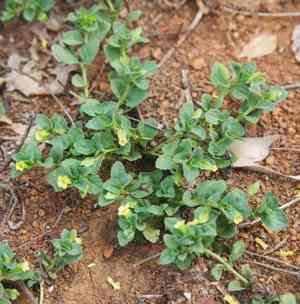
Baby jump-up (Mecardonia procumbens)
Also known as: Prostrate mecardonia
The baby jump-up plant (Torenia fournieri) is originally from tropical and subtropical areas of Asia. Although it's often cultivated as an ornamental annual in various regions, it hasn't become widespread through natural seeding. Instead, it spreads by lateral rooting. This plant is primarily found in gardens and landscapes, thriving in suitable climates around the world.
In This Article
Attributes of Baby jump-up
Lifespan
Perennial, Annual
Plant Type
Herb
Plant Height
10 cm to 60 cm
Spread
22 cm
Leaf Color
Green Blue
Flower Size
1.6 cm
Flower Color
Yellow
Images of Baby jump-up
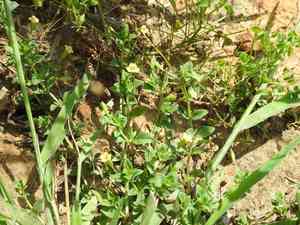
Quickly Identify Baby jump-up
1
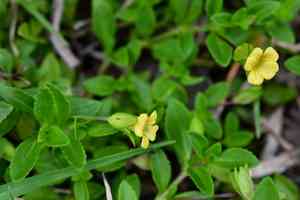
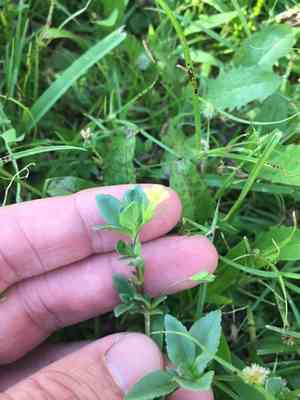
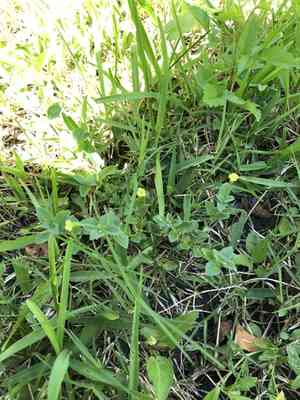
Identify Mecardonia procumbens by its prostrate growth habit and tiny, five-lobed yellow flowers. The plant has small, ovate leaves that are opposite each other on the stem.
Scientific Classification of Baby jump-up
Phylum
Vascular plants
Class
Dicotyledons
Order
Lamiales
Family
Plantain
Genus
Axilflower
Species
Baby jump-up
Planting and Growing of Baby jump-up
Care Difficulty
Easy
Watering Schedule
Every 4 days
Sunlight Requirements
Full sun
Sunshine Duration
6-10 hours
Ideal Temperature
65-75℉
Soil Type
Potting Mix, Peat Mix
Soil pH
6.5-7.5
Fertilizer Type
Balanced
Pruning Season
Spring, Summer
Pruning Area
Branches, Leaves
Pruning Frequency
2 times a year
Repotting Season
Spring
Pot Type
Plastic, Ceramic
 How to Water Baby jump-up?
Mecardonia procumbens thrives with a consistent watering routine, ensuring soil is moist but never waterlogged. This plant generally requires around 250 ml of water per session. Always let the top layer of soil dry out slightly before the next round of watering to prevent root rot and promote healthy growth.
What are the symptoms of an underwatered Baby jump-up?
›
What should I do if my Baby jump-up is not getting enough water?
›
What are the symptoms of an overwatered Baby jump-up?
›
How to save an overwatered Baby jump-up?
›
 What Are the Sunlight Requirements for Baby jump-up?
Partial to full sun is ideal. Mecardonia procumbens benefits from consistent exposure to sunlight, which enhances its flowering capacity and ensures healthier growth and more robust blooms.
More About Sunlight Requirements Techniques→
What is the best lighting condition?
›
How to achieve ideal lighting?
›
What are the benefits of ideal lighting?
›
 What Is the Ideal Temperature Range for Baby jump-up?
For optimal growth, Mecardonia procumbens thrives best at temperatures between 65°F and 75°F. This range helps ensure that the plant can photosynthesize efficiently and maintain cellular functions without stress. Consistent temperatures within this range promote lush foliage and vibrant blooms.
 What Soil is Best for Baby jump-up?
Mecardonia procumbens thrives in well-drained soil that prevents water from pooling around the roots, which can lead to root rot. Good drainage ensures that the plant can access oxygen, which is crucial for its healthy growth and flowering. This plant prefers soil that is moderately fertile, supplying essential nutrients without being overly rich. Adequate fertility levels support robust growth and can enhance the vividness of the plant's flowers. While Mecardonia prefers well-drained soil, it also benefits from soil that retains some moisture, allowing for consistent water availability. This balance is essential for sustaining its lush foliage and continuous blooming period.
 How to Fertilize Baby jump-up?
For Mecardonia procumbens, it is crucial to apply fertilizer in moderation. Use a balanced liquid fertilizer diluted to half the recommended strength for houseplants. This will provide the necessary nutrients without risking root burn or nutrient lockout, which could occur with excessive fertilization.
 How to Prune Baby jump-up?
Begin by identifying any dead or yellowing stems and remove them close to the base. Cut back long stems to encourage bushier growth. Use sharp scissors or pruning shears to make clean cuts just above a leaf node. This will stimulate the plant to produce new growth in multiple directions. To maintain a pleasing shape, trim the ends of branches that stick out or disrupt the desired form. Imagine the shape you want the plant to take and trim accordingly, keeping a balanced shape that allows light to reach all parts of the plant.
More About Pruning Techniques→
 How to Propagate Baby jump-up plant?
1
Harvest seeds from mature Mecardonia procumbens plants. Ensure the seeds are dry and free from any debris before transferring them to storage or directly to the seed tray.
2
Use a well-draining soil mix, ideal for starting seeds or root cuttings. A mixture of peat, perlite, and vermiculite provides the necessary aeration and moisture retention.
3
Cut a 4-6 inch stem from an established plant, remove lower leaves, and plant the cutting in a moist potting mix. Keep the soil damp to encourage root development.
 How to Repot Baby jump-up plant?
1
Mecardonia procumbens should be repotted when you notice roots growing out of the drainage holes, the soil drying out too quickly, or a general decline in plant health. These are clear signals that your plant is outgrowing its current pot and would benefit from a newer, larger home.
2
Select a pot with adequate drainage holes, about 1-2 inches larger in diameter than the current one. This size allows for new root growth without overwhelming the plant. Using a pot with good drainage prevents waterlogging, which is essential for preventing root rot and maintaining healthy plant growth.
3
Opt for a well-draining potting mix that retains enough moisture to keep the roots hydrated but not waterlogged. This type of soil provides the perfect balance for Mecardonia procumbens, promoting healthy root growth and preventing issues related to excessive moisture, such as root rot.
Learn More About Baby jump-up Diseases
Anthracnose
Bacterial Leaf Spot
Bacterial Soft Rot
Bacterial Wilt
Black Spot
Chemical Injury
Damping-off
Downy Mildew
Drought Stress
Fusarium Wilt
Gray Mold
Leaf Curl
Leaf Spot
Mosaic
Nutrient Deficiency
Nutrient Toxicity
Powdery Mildew
Root Rot
Root-knot Nematode
Rusts
Sooty Mold
Spider Mites
Temperature Stress
Thrips Damage
White Mold



