Enhancing Your Garden Design with the Baby jump-up Plant: A Landscaping Guide
1
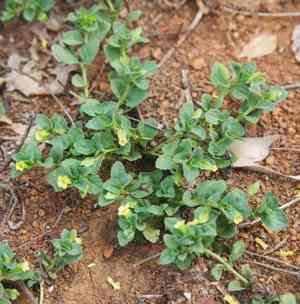
Baby jump-up is a compact, spreading plant excellent for creating lively ground cover.
2
It flourishes in bright sun to some shade and needs little upkeep.
3
Optimal planting periods differ, but spring and early autumn are typically most suitable.
Introducing Baby jump-up for Garden Design
Understanding Baby jump-up's contribution to garden aesthetics
Integrating Baby jump-up into your garden introduces a burst of color and texture. This low-growing plant spreads beautifully, forming a lively ground cover that can fill empty areas with vitality. Its delicate leaves and small, bright blossoms can soften harsh lines and blend seamlessly with various other plants to forge a harmonious and inviting garden layout.
Advantages of incorporating Baby jump-up into your outdoor space
Baby jump-up provides several benefits for your garden. It demands minimal upkeep, making it an excellent option for busy gardeners. Its resilience allows it to flourish in diverse environments, from full sun to partial shade. Furthermore, Baby jump-up can help suppress weeds, reducing the need for chemical interventions. Whether planted in garden beds, borders, or containers, Baby jump-up brings vibrancy and durability to your landscape.
Designing with Baby jump-up: A Step-by-Step Guide
Selecting the optimal site for Baby jump-up in your garden
Choosing the ideal spot for Baby jump-up is vital for its development and your garden's visual appeal. Seek out areas with well-draining soil and ample sunlight exposure, as Baby jump-up thrives in these conditions. If you have a location that receives partial shade, Baby jump-up can still perform well. Consider planting it in rock gardens, alongside pathways, or at the front of flower beds where its charming blooms and foliage can be best appreciated.
Companion plants that complement Baby jump-up effectively
Pairing Baby jump-up with complementary plants can enhance your garden's overall allure. Consider planting it alongside low-growing herbs such as thyme or creeping rosemary, which share similar growing requirements. For a more colorful display, combine Baby jump-up with plants like marigolds or petunias. These combinations not only offer aesthetic pleasure but also foster a diverse and robust garden ecosystem.
Creative design suggestions using Baby jump-up for striking visuals
When designing with Baby jump-up, think innovatively to maximize its visual impact. Utilize it to fill gaps between stepping stones or to border garden paths for a natural flow. Combine it with taller plants to provide a lush, layered effect. For container gardens, mix Baby jump-up with trailing plants to create cascading floral displays. Its adaptability allows you to experiment with different arrangements and pairings to achieve your desired look.
Seasonal Considerations for Baby jump-up
Optimal times of the year to plant Baby jump-up
Timing your planting is crucial for the successful establishment of Baby jump-up in your garden. The best times to plant Baby jump-up are during spring and early autumn when temperatures are moderate. This provides the plant sufficient time to root and adapt before encountering extreme weather conditions. Avoid planting during the height of summer or the depths of winter to ensure the best growth outcomes.
How Baby jump-up adjusts to various climatic conditions
Baby jump-up is remarkably adaptable, making it a dependable choice for different climates. It can endure temperature fluctuations and periods of drought once established. However, during extreme weather, some additional care might be necessary. In hot summers, consistent watering can prevent stress, and in colder months, mulching can protect against frost. Understanding these adaptations helps maintain a healthy garden year-round.
Maintaining Baby jump-up in Your Landscape
Essential upkeep tips for Baby jump-up
Maintaining Baby jump-up is straightforward, making it a favorite among gardeners. Regular watering during dry periods and occasional fertilization with a balanced plant food can keep your Baby jump-up thriving. Pruning is rarely needed, but trimming back any leggy growth will encourage a denser and more attractive plant. Also, monitor for pests, although Baby jump-up is generally resilient and less prone to infestations.
Addressing common issues with Baby jump-up
Despite its hardiness, Baby jump-up may encounter some challenges. Overwatering can lead to root rot, so ensure proper drainage. If planted in excessively shady areas, it might not bloom as profusely. Pests like aphids or spider mites can occasionally pose problems; organic insecticidal soaps offer an effective solution. Being proactive in monitoring and addressing these issues will help keep your Baby jump-up healthy and vibrant.



