How Much Sunlight Do Five-seeded plume-poppy Need?
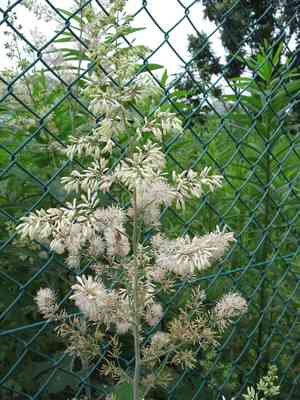
1
Five-seeded plume-poppy flourishes with over 6 hours of direct sun each day.
2
Its ability to tolerate some shade allows Five-seeded plume-poppy to be adaptable for various garden spots.
3
Insufficient sunlight may impede the flowering of Five-seeded plume-poppy.
Optimal Light Requirements for Five-seeded plume-poppy
Ideal Light Duration
For Five-seeded plume-poppy to flourish, it needs ample light. Ideally, this plant should receive a full 6 to 8 hours of direct sun daily. This duration ensures the plant has sufficient energy for effective photosynthesis, vital for robust growth and vibrant flowers. While it can survive with slightly less light, consistent exposure to at least 6 hours of direct sun is crucial for best results.
Best Time of Day for Sun Exposure
The optimal time for Five-seeded plume-poppy to receive sunlight is during the morning. Morning sun is typically less intense and not as harsh as afternoon rays. Therefore, positioning your plant where it gets good morning sun helps it absorb light without the risk of scorching. Placing it in a spot that welcomes gentle morning sun can encourage steady growth and flowering.
Various Light Conditions for Five-seeded plume-poppy Development
Full Sun Needs
Five-seeded plume-poppy thrives best in full sun conditions. Full sun means the plant should be in direct sunlight for most of the day, ideally over 6 to 8 hours. These conditions maximize the plantâs photosynthetic capacity, ensuring vigorous growth and abundant blooms. If you have a garden area with unobstructed sunlight, it's the perfect location for your Five-seeded plume-poppy.
Partial Shade Preferences
Although Five-seeded plume-poppy prefers full sun, it can tolerate partial shade, where it receives filtered sunlight for part of the day â about 3 to 4 hours. This adaptability makes it suitable for garden spots that may not get consistent full sun. However, with more shade, you might observe less vigorous growth or fewer blooms, but the plant can still remain healthy and enhance your garden's beauty.
Managing Shaded Locations
Growing Five-seeded plume-poppy in completely shaded areas is not advisable. Insufficient light can severely hinder the plantâs ability to thrive. It's essential to find a balance where the plant still gets enough light, even if it's indirect. If you must plant in a shaded area, consider a spot where sunlight penetrates at some point during the day or supplement with grow lights to mimic natural light.
Understanding the Impact of Insufficient Light on Five-seeded plume-poppy
Symptoms of Low Light Exposure
When Five-seeded plume-poppy doesnât receive enough light, it exhibits specific symptoms. You might notice elongated stems as the plant stretches towards the light, a process known as etiolation. The leaves may also become pale and sparse. These signs indicate the plant is struggling to get the light it needs for healthy growth.
Effects on Growth and Flowering
Inadequate light impacts Five-seeded plume-poppyâs overall growth and flowering potential. The plant may show stunted growth, producing fewer and smaller leaves. More critically, the blooming process can be significantly impaired. Sunlight is a key factor in flower development, and without it, you may see reduced blooms or even a complete lack of flowers, depriving your garden of the plant's striking floral display.
Adapting to Environmental Changes
Seasonal Light Variations
Different seasons bring changes in light exposure, which can affect your Five-seeded plume-poppy. In winter, shorter days mean less light, so the plant may not flourish as it does in spring and summer. Be prepared for slower growth or dormancy during these months. Conversely, in peak summer, ensure the plant is protected from extreme afternoon heat, which can be intense and damaging.
Tips for Adjusting Light Exposure
Adjusting Five-seeded plume-poppyâs light exposure can help maintain its health throughout the year. In summer, consider using a light shade cloth to protect the plant during peak hours (1 PM to 3 PM). During winter, when light is scarce, relocating the plant to the sunniest available spot can be beneficial. If indoors, placing the plant near south-facing windows can maximize the limited natural light winter provides.



