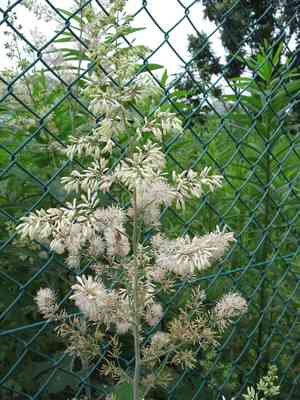
Five-seeded plume-poppy (Macleaya cordata)
Also known as: Plume poppy
The five-seeded plume-poppy (Macleaya cordata) is native to Japan and China. The term "cordata" in its scientific name signifies "heart-shaped," which describes the shape of its leaves. These leaves bear a resemblance to those of the opium poppy, a related species.
Attributes of Five-seeded plume-poppy
Images of Five-seeded plume-poppy
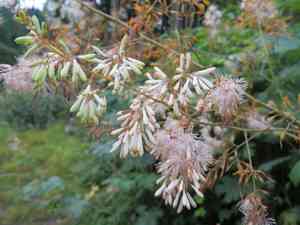
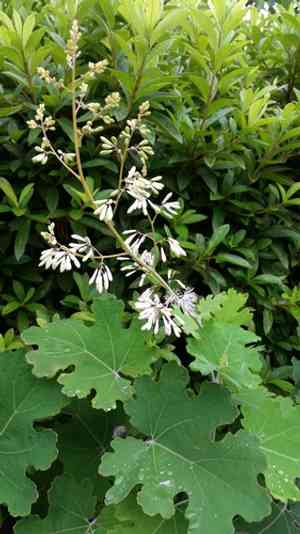
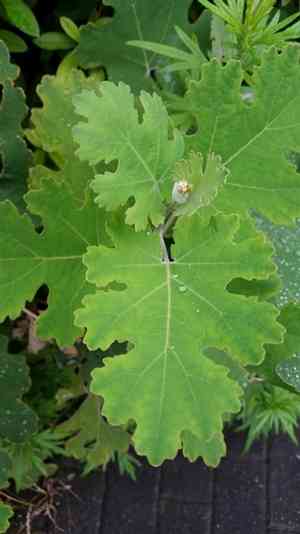
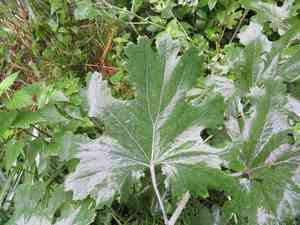
Quickly Identify Five-seeded plume-poppy
Scientific Classification of Five-seeded plume-poppy
Planting and Growing of Five-seeded plume-poppy
 How to Water Five-seeded plume-poppy?
 What Are the Sunlight Requirements for Five-seeded plume-poppy?
 What Is the Ideal Temperature Range for Five-seeded plume-poppy?
 What Soil is Best for Five-seeded plume-poppy?
 How to Fertilize Five-seeded plume-poppy?
 How to Prune Five-seeded plume-poppy?
 How to Propagate Five-seeded plume-poppy plant?
 How to Repot Five-seeded plume-poppy plant?
Toxicity of Five-seeded plume-poppy
Is Five-seeded plume-poppy toxic to humans?
The ingestion or unprotected handling of the five-seeded plume-poppy can lead to poisoning. Every part of this plant is moderately toxic, releasing a harmful orange sap during contact. This sap comprises alkaloids like sanguinarine and chelerythin. Direct interaction with the plant may result in skin irritation. Consuming any part of the plant could trigger allergic reactions and significant gastrointestinal disturbances. Children are particularly vulnerable when playing in areas such as fields or parks where this plant is present. Individuals with sensitivities may notice irritation or redness on their skin upon touching the plant.
Is Five-seeded plume-poppy toxic to cat?
The five-seeded plume-poppy presents a serious risk to the health of cats, as it possesses a high degree of toxicity toward felines. Even minimal ingestion can result in considerable distress for these animals. Cats may inadvertently come across five-seeded plume-poppy in their surroundings and may consume parts of the plant without realizing its harmful nature, which is worrisome since the entire plant is poisonous. Following ingestion, affected cats may show signs of discomfort and illness that necessitate urgent medical intervention. It is essential for cat owners to quickly seek veterinary care if they suspect that their feline has encountered five-seeded plume-poppy. Timely medical treatment is vital for effectively addressing the adverse effects of poisoning associated with this plant.
Is Five-seeded plume-poppy toxic to dog?
The five-seeded plume-poppy represents a significant toxicity threat to dogs. Any part of this plant is toxic, meaning canines can suffer from poisoning if they consume even a small portion. Accidental ingestion can lead to serious health complications. Symptoms of five-seeded plume-poppy poisoning in dogs may vary, but they often include vomiting, diarrhea, lethargy, abdominal discomfort, tremors, and possibly more severe neurological or organ-related symptoms due to its high toxicity. It is essential for dog owners to prevent their pets from entering areas where five-seeded plume-poppy is found and to keep a close watch on their pets' behavior in the vicinity of this plant. If ingestion is suspected, it is vital to seek prompt veterinary assistance to achieve the best possible outcome.



