How to Prune Five-seeded plume-poppy?
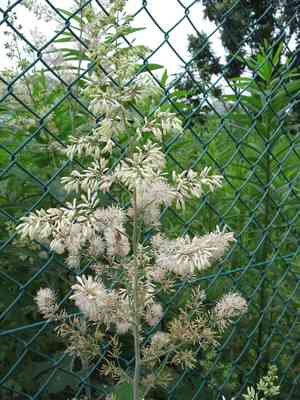
To ensure the best health for five-seeded plume-poppy, perform pruning in the spring prior to the emergence of fresh shoots. Cut back the previous season's leaves to the soil line, and during the summer months, remove faded flowers to stimulate further flowering. In autumn, shorten any elongated stalks to preserve a neat look. This trimming encourages vigorous development, controls dimensions, and deters unwanted seed dispersal. Disinfect your cutting implements to avert the transmission of pathogens between specimens.
What Are the Benefits of Pruning Five-seeded Plume-poppy?
What Are the Benefits of Pruning Five-seeded Plume-poppy?
Trimming five-seeded plume-poppy promotes a more abundant and vivid floral display, revitalizes strong growth, and preserves its desired shape, balancing beauty and vitality.
What Is the Best Time for Pruning Five-seeded Plume-poppy?
What Is the Best Time for Pruning Five-seeded Plume-poppy?
Trimming five-seeded plume-poppy in late winter to early spring, just before new growth begins, is optimal. This timing allows for the removal of any dead or damaged stems from the prior season, fostering healthier development and improved air circulation within the plant's structure, which benefits its overall vigor. Pruning during these periods also reduces the risk of disease transmission, as many plant pathogens are less active in cooler weather. Furthermore, since five-seeded plume-poppy flowers on the current year's growth, late winter pruning ensures blooming is not negatively affected, while summer and fall pruning should largely be avoided to prevent loss of flowers.
What Tools Do I Need to Prune Five-seeded Plume-poppy?
Bypass Pruners
These are perfect for cutting fresh, living growth on five-seeded plume-poppy, as they create clean cuts that heal effectively.
Loppers
For thicker stems or branches, loppers offer the extra leverage needed to make precise cuts.
Pruning Saw
If five-seeded plume-poppy has some mature, woody stems too thick for pruners or loppers, a pruning saw will be essential.
Gardening Gloves
To shield hands from five-seeded plume-poppy's sap and abrasive stems, gloves are crucial during the pruning process.
Long-Sleeved Shirt
This will provide an additional layer of defense against potential skin irritation while gardening.
How to Prune Five-seeded Plume-poppy
Clean tools
Disinfect pruning shears or scissors with isopropyl alcohol to prevent disease spread to five-seeded plume-poppy.
Remove diseased leaves
Carefully detach any diseased leaves from five-seeded plume-poppy by cutting them at the base of the leaf stalk, using clean shears to avoid harming healthy tissue.
Trim withered leaves
Snip off withered leaves from five-seeded plume-poppy, using shears to make a clean cut where the leaf stem meets the branch or main stem, to encourage healthy growth and air flow.
Deadhead flowers
Remove spent flowers by snipping the flower stem just above the first set of healthy leaves, which can prompt five-seeded plume-poppy to produce more blooms.
Dispose trimmed materials
Discard all removed plant material, such as diseased leaves and withered flowers, far from five-seeded plume-poppy to prevent potential pathogen spread.
Common Pruning Mistakes with Five-seeded Plume-poppy
Over-pruning
Removing too much growth at once can shock five-seeded plume-poppy and potentially result in weakened plants.
Cutting into old wood
Making cuts too far back into the old wood of five-seeded plume-poppy can hinder new shoot development, as it may not readily regrow from older sections.
Not disinfecting tools
Failing to clean pruning tools before use can transmit diseases between five-seeded plume-poppy and other plants.
Improper cut placement
Leaving too much of a stub when cutting stems can invite disease and pests, while cutting too close to the main stem or remaining branch can create wounds that heal poorly.
Ignoring plant shape
Disregarding the natural form of five-seeded plume-poppy can lead to a less attractive plant and reduced flowering.
Pruning for size control
Using pruning primarily to manage the size of five-seeded plume-poppy is a mistake, as this plant can naturally grow quite large; it’s better to allow sufficient space for its growth.
Neglecting to remove dead material
Failing to remove dead or diseased material can impair the health and appearance of five-seeded plume-poppy by allowing disease to spread and potentially attracting pests.
Common Pruning Tips for Five-seeded Plume-poppy
Selective thinning
Remove specific stems to enhance air circulation and light penetration, which fosters healthy growth and flowering for five-seeded plume-poppy.
Maintaining plant shape
Prune to preserve the natural habit of five-seeded plume-poppy, trimming unruly stems and lightly shaping to improve its form.
Encouraging new growth
Cut back spent flower stems to a strong set of leaves to stimulate new growth and potentially more blooms.
Deadheading
Regularly remove faded flowers to help five-seeded plume-poppy direct energy into more blooms or overall plant vigor.
Health assessment
Inspect five-seeded plume-poppy frequently for signs of disease or pest damage and promptly prune out affected parts to maintain plant health.
Tool care
Always use sharp, clean pruning shears or secateurs to ensure precise cuts that heal quickly and minimize stress on five-seeded plume-poppy.



