How to Propagate Five-seeded plume-poppy?
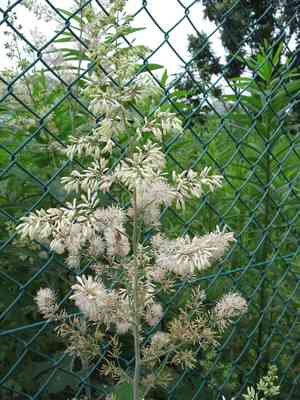
Macleaya cordata flourishes when reproduced through seeding. Initiate the process by choosing robust, fully developed seeds to achieve the best sprouting rates. Create a potting blend that drains efficiently and is abundant in organic components. Position the seeds superficially, as they require adequate illumination for successful germination. Preserve uniform dampness during the germination phase, avoiding excessive watering of the substrate. After the young plants are well-rooted, gently transfer them to their permanent cultivation spots, making sure each has sufficient room for its root system and leaves to spread.
Optimal Period for Propagating Five-seeded Plume-poppy
Propagation Method
Seeding
Propagation Period
Spring
Equipment Utilized in Five-seeded Plume-poppy Propagation
Seed trays
Seed trays are vital for initiating five-seeded plume-poppy from seeds. Their shallow, divided structure facilitates ideal seed spacing and simple management of young seedlings. Employing seed trays aids in sustaining necessary moisture levels and warmth, promoting superior germination rates.
Perlite or vermiculite
Incorporating perlite or vermiculite into the soil enhances drainage and aeration within the seed starting mix. For five-seeded plume-poppy, which demands well-drained soil for successful germination, adding these materials helps avert waterlogging that could lead to seed decay or fungal diseases.
Clear plastic dome or propagator lid
A transparent plastic dome or propagator lid placed over seed trays establishes a humid microenvironment crucial for seed germination. This device is essential for maintaining consistent humidity around five-seeded plume-poppy seeds, accelerating germination without requiring frequent watering.
Heat mat
A heat mat, positioned beneath the seed trays, delivers a steady heat source beneficial for the germination of five-seeded plume-poppy seeds, which can be sensitive to temperature fluctuations. It guarantees the soil temperature remains optimal, encouraging quicker and more uniform seed germination.
Spray bottle
A spray bottle is employed for gently irrigating the seeds of five-seeded plume-poppy. It enables control over the volume and force of water applied, ensuring the soil is damp but not excessively wet, which is critical for seed viability and disease prevention.
Procedure for Propagating Five-seeded Plume-poppy
Propagation Type
Simple
Post-Propagation Care for Your Five-seeded Plume-poppy
Post-Propagation Care for Your Five-seeded Plume-poppy
Following propagation, gradually introduce young five-seeded plume-poppy plants to outdoor conditions if they were started indoors. Transplant them to their permanent growing site, which should be a sunny to partially shaded area with well-draining soil. Five-seeded plume-poppy thrives in full sun but tolerates partial shade and needs minimal attention once established. They are drought-tolerant but benefit from occasional watering during extended dry spells. Regularly check for pests and diseases, although five-seeded plume-poppy is generally robust and resistant to most common garden pests.
Common Errors to Avoid When Propagating Five-seeded Plume-poppy
Overwatering
After planting, excessive irrigation can result in waterlogged soil, which is harmful for five-seeded plume-poppy. Five-seeded plume-poppy prefers well-drained conditions, and too much moisture can cause root rot.
Deep planting
Planting the root divisions or seeds of five-seeded plume-poppy too deeply can impede their development. Five-seeded plume-poppy's roots and seeds need to be positioned at the correct depth to ensure proper growth.
Ignoring pests
Neglecting early indications of pest infestations, such as leaf holes or wilting, can escalate into more severe issues. Five-seeded plume-poppy is relatively resilient but can still suffer from pest damage, which weakens the plant overall.
Advice for Propagating Five-seeded Plume-poppy
Soil preparation
Ensure the soil is loose and well-drained prior to planting. Incorporating organic matter like compost can improve drainage and supply essential nutrients.
Root division at the correct stage
When propagating five-seeded plume-poppy via root division, confirm that the plant is sufficiently mature. Dividing too early can stress the plant, diminishing its vigor and propagation success.
Monitor moisture levels
Five-seeded plume-poppy flourishes in soil that is moist but not saturated. Regularly check the soil's moisture content and adjust watering schedules accordingly to prevent overwatering or drought stress.



