How Much Sunlight Do Blue lupine Need?
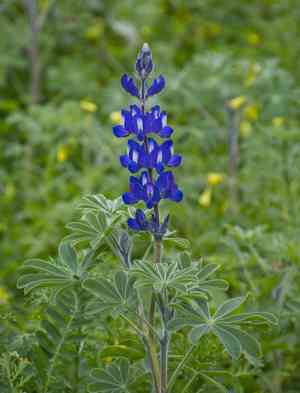
1
Blue lupine flourishes optimally with a minimum of 6 hours of direct sun exposure each day.
2
Inadequate light will lead to elongated, fragile stems and diminished bloom production.
3
Exercise caution with intense midday sun in warmer regions, as it may lead to leaf burn.
Ideal Light Conditions for Blue lupine
Full Sun vs. Partial Sun
Regarding light, Blue lupine plants thrive in full sun. This means they should ideally get at least 6 hours of direct sunlight daily. While partial sun, around 3-6 hours of direct light, can be tolerated for brief periods, Blue lupine won't perform as well and may produce fewer flowers.
Daily Sunlight Requirements
For peak growth and vibrant blooms, your Blue lupine needs to be positioned to receive a minimum of 6-8 hours of sunlight each day. Morning and late afternoon sun are most advantageous, offering strong light without the risk of scorching from midday heat.
Indicators of Excessive Sunlight
Too much intense sunlight can cause leaf burn. Look for brown or bleached areas on the leaves, which signal sun damage. If you notice this, consider moving the plant to a shadier spot during the hottest parts of the day or providing some cover.
Indicators of Insufficient Sunlight
When Blue lupine doesn't receive enough light, you might observe elongated, weak, and floppy stems. The plant may also yield fewer and smaller flowers. If these signs appear, try to increase its light exposure by repositioning it, or by thinning out dense overhead foliage.
Adapting Blue lupine to Your Environment
Adapting to Various Geographic Areas
Whether your region is warmer or cooler, Blue lupine can adjust with some care. In hotter climates with strong sun, offer some afternoon shade to prevent leaf scorch. Conversely, in cooler areas with less sun, ensure the plant is in the sunniest available spot, such as a south-facing location.
Seasonal Light Fluctuations
Seasonal changes impact light levels. During summer, with the sun high, your Blue lupine can enjoy abundant light. However, in winter, with shorter days and lower sun angles, supplemental lighting might be necessary to maintain its health and development.
Utilizing Artificial Grow Lights
If natural light is inadequate, especially in winter or indoors, artificial grow lights can be an effective solution. Use full-spectrum LED grow lights for optimal results. Place them approximately 30-45 cm (12-18 inches) above the plant and provide 12-16 hours of light daily to mimic natural sunlight conditions.
Best Practices for Blue lupine Light Exposure
Placement in Your Garden or Indoors
Outdoors, position your Blue lupine in a spot that receives full, unobstructed sunlight. Indoors, place it near a south-facing window where it can capture maximum light. Rotating the plant occasionally will help ensure all sides get ample sunlight.
Shielding from Harsh Sunlight
While Blue lupine loves the sun, intense midday rays can be detrimental. In regions with strong sun, use protective measures like shade cloths or strategically plant taller companion plants to offer intermittent shade and prevent leaf scorch.
Scheduling Optimal Sunlight Hours
To maximize light exposure, align your plant's schedule with natural daylight patterns. Early morning and late afternoon sun is less intense and highly beneficial. Avoid peak midday sun whenever possible, especially in warmer climates, to safeguard the plant's foliage.



