Enhancing Your Garden Design with the Blue lupine Plant: A Landscaping Guide
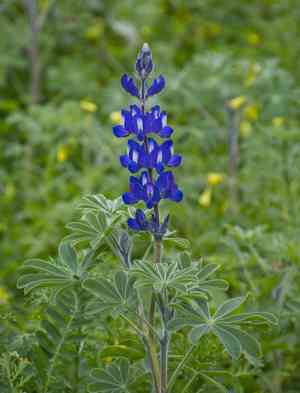
1
Blue lupine flourishes in soil that drains well and receives ample sunlight.
2
Incorporating Blue lupine as a central feature can add striking aesthetic appeal to your garden.
3
Blue lupine contributes to enhanced biodiversity by drawing in pollinators and helpful insects.
Introducing Blue lupine to Your Garden Layout
Choosing optimal locations for Blue lupine based on sunlight and soil
When adding Blue lupine to your garden, selecting the correct spot is vital. Blue lupine thrives in areas with ample sun exposure, requiring at least 6-8 hours of direct sunlight daily. Well-drained soil is another key element, as Blue lupine prefers conditions that prevent water accumulation. For optimal growth, aim for slightly acidic to neutral soil pH. Perform a soil test if needed to confirm these conditions are met. By prioritizing these requirements, your Blue lupine plants will flourish, bringing lovely blooms and healthy foliage to your landscape.
Design tips for integrating Blue lupine with other plants
Effectively incorporating Blue lupine into your garden demands thoughtful planning. Consider pairing Blue lupine with plants that share similar light and moisture needs to foster a cohesive environment. Blending various heights and textures can boost visual impact. For instance, positioning Blue lupine alongside shorter ground covers or contrasting them with taller, more structured plants can create dynamic layers. Furthermore, maintaining a consistent color scheme with complementary shades can enhance your garden's aesthetic appeal, making Blue lupine a prominent feature.
Using Blue lupine as natural borders or focal points
Employing Blue lupine as natural boundaries or focal points can significantly elevate your garden design. Their vivid blossoms and rich foliage make them perfect for edges or pathways, guiding the eye through your landscape. As focal points, Blue lupine can anchor garden beds or stand out against a green backdrop, drawing attention to key areas. Combine them with decorative elements like garden statues or water features to highlight their beauty, creating a unified and visually pleasing garden arrangement.
Benefits of Adding Blue lupine to Your Landscape
Enhancing biodiversity with Blue lupine
Blue lupine plays a vital role in boosting garden biodiversity. Its flowers attract a diverse range of pollinators, including bees, butterflies, and other beneficial insects, helping to support the local ecosystem. By integrating Blue lupine into your landscape, you encourage the presence of these important creatures, which can improve your garden's overall health. Additionally, Blue lupine can assist in soil health by fixing nitrogen, providing essential nutrients that benefit nearby plants.
The visual appeal of Blue lupine during different seasons
One of Blue lupine's prominent features is its visual charm throughout various seasons. In spring, its blooming flowers add vibrant hues to your garden, creating striking displays. During summer, the foliage remains lush and green, maintaining aesthetic interest. Even in autumn, as blooms may fade, Blue lupine's structure and form contribute to the garden's texture and depth. By offering year-round beauty, Blue lupine ensures your garden stays attractive through every season.
Low maintenance benefits of incorporating Blue lupine
Blue lupine is a low-upkeep addition to your garden, making it ideal for both new and experienced gardeners. Once established, it requires minimal watering and can endure periods of drought, reducing the need for constant care. Blue lupine is also resistant to many pests and diseases, minimizing the need for chemical treatments. By choosing Blue lupine, you invest in a plant that provides lasting beauty and benefits with little effort, freeing up time for other gardening tasks.



