How to Prune Blue lupine?
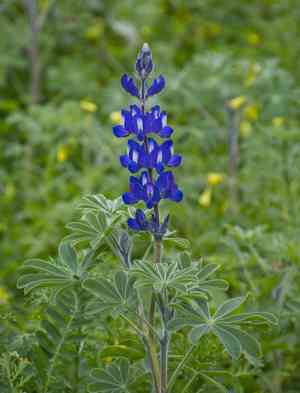
This perennial, featuring prominent blue blossoms and palmate foliage, enlivens garden spaces. Remove faded flower stems to stimulate further blooming and preserve its form. Reduce density in congested sections to improve air circulation and light exposure, thereby boosting vigor and development. The ideal times for this are in spring or following summer flowering; autumn trimming readies blue lupine for its winter rest. Pruning fosters thicker leaves, controls dimensions, and can lower the chance of illness, maximizing blue lupine's aesthetic appeal and lifespan.
What Are the Benefits of Pruning Blue Lupine?
What Are the Benefits of Pruning Blue Lupine?
Trimming blue lupine promotes robust development and maintains its desired form. By strategically cutting back growth, energy is channeled into strong new stems and blossoms, resulting in a healthier, more attractive specimen.
What Is the Best Time for Pruning Blue Lupine?
What Is the Best Time for Pruning Blue Lupine?
Pruning blue lupine in early Spring before new growth starts helps stimulate vigorous development and maintain its shape. Trimming should also occur immediately after blue lupine flowers in early Summer to encourage new bud formation and prevent cutting off next year's blooms. Additional light trimming in Fall can remove any faded flowers and seed pods, preparing blue lupine for winter and preventing unwanted seed dispersal. These timings align with blue lupine's natural growth cycle and help ensure the plant's health and aesthetic appeal, while also maximizing flowering potential for the subsequent season.
What Tools Do I Need to Prune Blue Lupine?
Hand Pruners
Perfect for precise cuts on blue lupine's stems and leaves, hand pruners are ideal for snipping away dead or overgrown branches without harming the rest of the plant.
Pruning Shears
Blue lupine's thicker stems may require the added strength of pruning shears, which can make clean cuts without unduly stressing the plant's structure.
Garden Gloves
To safeguard the gardener's hands from blue lupine's potentially irritating foliage, garden gloves should be worn during the pruning process.
Loppers
For mature blue lupine with more substantial stems that hand pruners cannot manage, loppers provide the extra leverage needed for a clean cut.
Pruning Saw
If blue lupine has developed particularly thick woody stems, a pruning saw might be necessary to cut through the material without causing undue strain on the plant or gardener.
Disinfectant
It's essential to disinfect all tools before and after use to prevent the spread of disease to or from blue lupine.
How to Prune Blue Lupine
Sanitize
Before pruning blue lupine, clean and sterilize all pruning tools to prevent the spread of diseases.
Identify
Locate withered leaves on blue lupine by examining the plant for any leaves that are brown, dry, and appear dead.
Cut
Using a sharp pair of scissors or pruning shears, carefully trim off the withered leaves at the base where they meet the stem, making a clean cut without damaging the healthy parts of blue lupine.
Dispose
Collect all the removed leaves and dispose of them away from the garden area to prevent potential diseases from spreading to healthy blue lupine plants or nearby flora.
Monitor
Monitor blue lupine after pruning, checking for new growth and ensuring that the plant does not show signs of stress, which could indicate pruning was too severe or done improperly.
Common Pruning Mistakes with Blue Lupine
Overpruning
Removing too much foliage from blue lupine at once can weaken the plant, making it more susceptible to disease and reducing its vigor.
Improper Tool Use
Using dull or unclean pruning tools can damage the stems of blue lupine and introduce disease.
Random Cuts
Cutting blue lupine without a clear purpose or strategy can lead to poor plant shape and reduced flowering.
Ignoring Deadheads
Failing to remove spent blooms from blue lupine can prevent the plant from producing new flowers, as it may focus its energy on seed production.
Neglecting Diseased Material
Not removing diseased or pest-infested foliage from blue lupine can allow the problem to spread and worsen.
Common Pruning Tips for Blue Lupine
Selective Thinning
Remove only the most crowded and weakest stems of blue lupine to improve air circulation and light penetration, which encourages healthy growth.
Clean Cuts
Make clean, angled cuts on the stems of blue lupine just above a leaf node or branching point to promote faster healing and new growth.
Tool Sanitation
Always clean and sharpen pruning tools before working on blue lupine to avoid transferring diseases between plants.
Timely Deadheading
Regularly remove spent flowers from blue lupine to stimulate continuous blooming throughout the growing season.
Monitor Plant Health
Check blue lupine for signs of disease or pest damage during pruning and promptly remove affected areas to maintain plant health.



