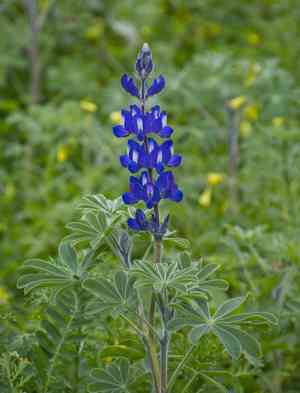
Blue lupine (Lupinus pilosus)
Also known as: Blue Lupine, Annual Lupine
Lupinus pilosus, commonly known as blue lupine, features striking deep blue flowers with dark veins and grows on hairy red stems. Ancient Europeans named it lupine, derived from "lupus" (wolf), due to the belief that it sapped nutrients from the soil. Not only is it visually appealing, but it also has a scent similar to grape soda.
In This Article
Attributes of Blue lupine
Lifespan
Annual
Plant Type
Herb
Plant Height
30 cm to 70 cm
Spread
30 cm
Leaf Color
Silvery-green
Flower Size
1 to 2 centimeters
Flower Color
Purple Blue
Images of Blue lupine



Quickly Identify Blue lupine
1
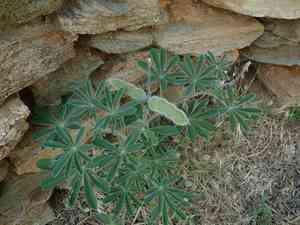
Look for its characteristic blue flowers and silvery-haired leaves. The plant often grows in clusters and has a distinctive legume-like pod.
Scientific Classification of Blue lupine
Phylum
Vascular plants
Class
Dicotyledons
Order
Fabales
Family
Legume
Genus
Lupines
Species
Blue lupine
Planting and Growing of Blue lupine
Care Difficulty
Easy
Watering Schedule
Every 2 days
Sunlight Requirements
Full sun
Sunshine Duration
6-10 hours
Ideal Temperature
68-77℉
Soil Type
Potting Mix, Peat Mix
Soil pH
6.5-7.5
Fertilizer Type
Balanced
Pruning Season
Spring, Summer
Pruning Area
Branches, Leaves
Pruning Frequency
2 times a year
Repotting Season
Spring
Pot Type
Plastic, Terracotta
 How to Water Blue lupine?
Lupinus pilosus requires moderate watering. Each time you water, use approximately 500 milliliters. Ensure the soil is moistened uniformly but not drenched to the point of saturation. This ensures the roots receive adequate moisture without being waterlogged.
What are the symptoms of an underwatered Blue lupine?
›
What should I do if my Blue lupine is not getting enough water?
›
What are the symptoms of an overwatered Blue lupine?
›
How to save an overwatered Blue lupine?
›
 What Are the Sunlight Requirements for Blue lupine?
Lupinus pilosus benefits from full to partial sun, enabling robust growth and colorful blooms. The ideal light ensures the plant flourishes, demonstrating healthy development and vibrant flowers.
More About Sunlight Requirements Techniques→
What is the Best Lighting Condition?
›
How to Achieve the Ideal Lighting?
›
Benefits of Ideal Lighting
›
 What Is the Ideal Temperature Range for Blue lupine?
Lupinus pilosus thrives best in temperatures ranging from 68°F to 77°F. This range ensures optimal growth and supports the plant's metabolic processes, leading to healthy foliage and flowering.
 What Soil is Best for Blue lupine?
Lupinus pilosus thrives in nutrient-rich soil, which supports healthy plant growth and prolific blooming. Ensuring the soil is well-fertilized provides essential minerals necessary for the plant's development. Good drainage is crucial for Lupinus pilosus to prevent root rot and other moisture-related issues. Ensuring the soil allows excess water to escape helps maintain appropriate moisture levels for optimal health. While well-draining, the soil should retain enough moisture to support steady growth. Adequate moisture keeps the plants hydrated without oversaturation, crucial for maintaining turgidity in stems and leaves.
 How to Fertilize Blue lupine?
Lupinus pilosus, also known as blue lupine, requires moderate fertilization. For liquid fertilizers, follow the manufacturer's instructions and apply approximately half-strength of the recommended rate to avoid over-fertilization. When using slow-release fertilizers, 10-15 grams per application is generally sufficient for mature plants.
 How to Prune Blue lupine?
Shaping the plant not only makes it more aesthetically pleasing but also increases airflow, reducing the risk of fungal diseases. Aim to open the center of the plant by removing crossing or inward-facing branches. This boosts light penetration and air circulation, which are crucial for healthy growth. To encourage Lupinus pilosus to grow more bushy and full, trim back the tips of the plant. This can stimulate the growth of lateral buds, resulting in a denser foliage. Be mindful of where you cut; aim just above a node to promote branching in the desired direction.
More About Pruning Techniques→
 How to Propagate Blue lupine plant?
1
Start by soaking the seeds in lukewarm water for 24 hours to soften the seed coat. This step increases water absorption, aiding in quicker germination.
2
Plant the prepared seeds in a mix of sand and peat moss or a similar light, well-draining soil. Sow them about 1/4 inch deep and cover lightly with soil.
3
Select a healthy stem for cuttings, about 4-6 inches long. Cut just below a node and remove the lower leaves. Dip the cut end in rooting hormone for better root development.
 How to Repot Blue lupine plant?
1
Repotting Lupinus pilosus is advisable when you notice roots growing through drainage holes, or when the plant’s growth seems stunted, indicating root bound conditions. The best time to repot is during its dormant season in either early spring or autumn, which minimizes growth disturbances.
2
When selecting a pot, ensure it's slightly bigger than the current one to accommodate more root growth. A pot with adequate drainage holes is crucial, as standing water can lead to root rot. The new pot should ideally be about 1-2 inches larger in diameter to provide space for lateral root expansion while not overwhelming the root system.
3
Opt for a well-draining, sandy loam soil mix to prevent any waterlogging. Such a mix ensures that the plant’s roots have adequate access to nutrients while preventing excess water retention which could foster fungal diseases.
Learn More About Blue lupine Diseases
Anthracnose
Bacterial Leaf Spot
Bacterial Wilt
Crown Gall
Cyst Nematode
Damping-off
Downy Mildew
Drought Stress
Fusarium Wilt
Gray Mold
Leaf Spot
Mosaic
Nutrient Deficiency
Nutrient Toxicity
Powdery Mildew
Root Rot
Root-knot Nematode
Rusts
Sooty Mold
Spider Mites
Temperature Stress
Thrips Damage
White Mold



