How Much Sunlight Do Yellowseed false pimpernel Need?
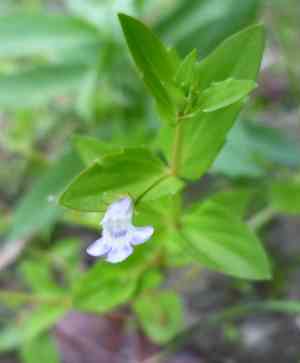
1
Position Yellowseed false pimpernel in a spot that gets a minimum of 6 hours of direct sunlight daily.
2
Yellowseed false pimpernel can flourish in partial sunlight but favors full sun for best development.
3
Observe the plant frequently for indications of sun-related stress to preserve its vitality and look.
Understanding the Light Requirements of Yellowseed false pimpernel
Optimal Light Conditions for Yellowseed false pimpernel
The Yellowseed false pimpernel thrives best in full sun. This means it needs direct, unobstructed sunlight for most of the day. Ideally, the plant should receive at least 6 hours of sunlight daily for healthy growth and a vibrant look. While it prefers full sun, it can also handle partial sun. However, less sunlight might slow its growth and result in less robust foliage.
Recommended Daily Sunlight Duration for Yellowseed false pimpernel
For peak health, the Yellowseed false pimpernel should get 6 to 8 hours of direct sunlight daily. This daily sun exposure is vital as it powers photosynthesis, giving the plant the energy needed for growth and blooming. While it can tolerate some shade, extended periods of low light can hinder its development and lead to weaker, less vibrant plants.
Placing Yellowseed false pimpernel for Ideal Sun Exposure
Best Practices for Indoor Placement
When growing Yellowseed false pimpernel indoors, position it near south-facing windows where it can receive ample sunlight throughout the day. If natural light is limited, consider using a grow light to supplement its lighting needs. Place the grow light about 30 cm (12 inches) above the plant and aim to provide light for at least 6 hours daily.
Outdoor Placement Recommendations
For outdoor placement, select a spot that receives full sun for most of the day. Ensure the area isn't shaded by taller plants or structures, as this could limit sun exposure. If you live in a particularly hot climate, consider placing the plant where it can get some afternoon shade to prevent leaf scorching.
Addressing Common Light-Related Issues
Signs of Excessive Sunlight
Too much sunlight can cause the leaves of Yellowseed false pimpernel to become scorched or bleached. If you notice the leaves turning yellow or brown and crisping at the edges, this could indicate too much sun. In such cases, try moving the plant to a slightly shadier spot or provide some afternoon shade.
Signs of Insufficient Sunlight
If the Yellowseed false pimpernel isn't getting enough sunlight, it may show signs like leggy growth, smaller leaves, and a pale green color. The plant might also fail to flower or have significantly reduced blooming. To fix this, gradually move the plant to an area with more sunlight and monitor its progress.
Adjusting Light Conditions for Improved Growth
Adjusting the light conditions for Yellowseed false pimpernel involves carefully observing the plant's reaction to its environment. For instance, if the plant shows signs of too much or too little sunlight, making gradual changes in its position can help. For indoor plants, using sheer curtains can filter intense sunlight, while moving outdoor plants to a different location can balance its light exposure. Regularly rotating potted plants ensures even growth and prevents one side from getting too much or too little light.
Seasonal Light Considerations for Yellowseed false pimpernel
Light Needs Across Seasons
The light requirements of Yellowseed false pimpernel can vary slightly with the seasons. During summer, when sunlight is more intense, ensure the plant gets enough light early in the day. Consider providing some shade during peak afternoon hours if the heat becomes too intense. In winter, when days are shorter and sunlight is less intense, ensure the plant is positioned to receive as much natural light as possible.
Adapting to Changes in Light Availability
As seasons change, so does the availability and intensity of sunlight. It's crucial to monitor how these changes affect the Yellowseed false pimpernel and adjust its positioning accordingly. For instance, as winter approaches and sunlight decreases, moving the plant closer to sunlit windows or supplementing with grow lights can help maintain its health. Similarly, during intense summer days, ensuring the plant isn't exposed to excessive afternoon sunlight can prevent scorching.



