How to Prune Yellowseed false pimpernel?
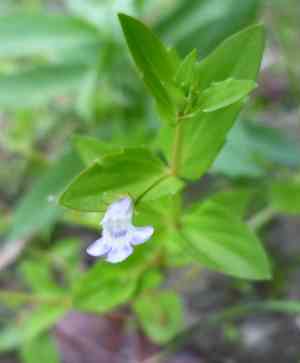
Yellowseed false pimpernel, a semi-aquatic perennial, thrives in moist environments, displaying vivid lilac blossoms. In spring, remove any deceased or excessively long stems to encourage robust development. Thoughtful trimming throughout summer improves air movement and lowers the chance of illness. Following its autumn bloom, cut back the plant to preserve its form and dimensions. Consistently eliminating faded flowers stimulates additional blooming. Execute pruning during the cooler parts of the day to lessen strain on the plant.
What Are the Benefits of Pruning Yellowseed False Pimpernel?
What Are the Benefits of Pruning Yellowseed False Pimpernel?
Trimming yellowseed false pimpernel is crucial for sustaining its robust development and appealing form. Strategic cuts improve light penetration and air circulation, boosting the plant's vitality and lowering disease risk.
What Is the Best Time for Pruning Yellowseed False Pimpernel?
What Is the Best Time for Pruning Yellowseed False Pimpernel?
Pruning in Spring aligns with yellowseed false pimpernel's active growth phase, allowing the plant to rapidly heal and produce new growth. Early Summer is also appropriate for light trimming to shape the plant and encourage branching, which can lead to denser foliage. Late Fall is ideal for removing any spent growth or dead material, preparing yellowseed false pimpernel for dormancy and a healthy start in the following growing season, while minimizing stress on the plant. These seasons avoid cutting during flowering or significant dormant periods, ensuring that the plant maintains its health and vitality throughout the year.
What Tools Do I Need to Prune Yellowseed False Pimpernel?
Hand Pruners
These are suitable for precise cutting and shaping of yellowseed false pimpernel, allowing gardeners to neatly remove dead or overgrown stems without damaging the delicate structure of the plant.
Pruning Shears
Yellowseed false pimpernel may require thinning to encourage air circulation and light penetration. Pruning shears with sharp blades help ensure clean cuts that promote healthy regrowth.
Gardening Scissors
For light trimming and maintenance of yellowseed false pimpernel, gardening scissors are ideal because of their precision and ability to handle fine, delicate work without causing unnecessary harm to the plant's small stature.
How to Prune Yellowseed False Pimpernel
Identification
Identify withered leaves on yellowseed false pimpernel, which typically appear brown, dry, and may be curled or drooping compared to the healthy green foliage.
Preparation
Prepare sterile and sharp pruning shears or scissors to avoid transmitting diseases between plants while trimming yellowseed false pimpernel. Disinfect the tools with rubbing alcohol or a bleach solution before and after pruning.
Clean cut
Make clean cuts to remove the withered leaves at the base where they meet the stem or the next healthy part of yellowseed false pimpernel. Do not leave stubs as they can be entry points for pests and diseases.
Disposal
Dispose of the removed withered leaves away from yellowseed false pimpernel and other healthy plants to prevent the spread of potential pathogens.
Monitoring
Monitor yellowseed false pimpernel after pruning for signs of new growth or any further signs of distress that may indicate a more serious underlying issue.
Common Pruning Mistakes with Yellowseed False Pimpernel
Overpruning
Removing too much foliage from yellowseed false pimpernel can weaken the plant, leaving it vulnerable to pests and diseases.
Imprecise cuts
Making jagged or torn cuts rather than clean, sharp ones can harm yellowseed false pimpernel's delicate stems, inhibiting healthy regrowth.
Pruning healthy growth
Cutting away healthy growth instead of just the dead or overgrown sections can reduce yellowseed false pimpernel's overall vigor and flowering potential.
Neglecting tools
Using dull or dirty pruning tools can spread disease and damage yellowseed false pimpernel's tissues, rather than making the precise cuts necessary for good health.
Common Pruning Tips for Yellowseed False Pimpernel
Clean tools
Always start with sharp, clean pruning shears to make clean cuts that yellowseed false pimpernel can recover from easily.
Target dead growth
Focus on removing dead or diseated foliage and stems to redirect yellowseed false pimpernel's energy to healthy growth and flowers.
Consider shape
Prune with the natural shape of yellowseed false pimpernel in mind, maintaining an even, rounded form that allows light and air to reach all parts of the plant.
Gentle pruning
Be gentle when pruning yellowseed false pimpernel due to its delicate stems. Heavy-handed pruning can cause unnecessary stress and damage to the plant.



