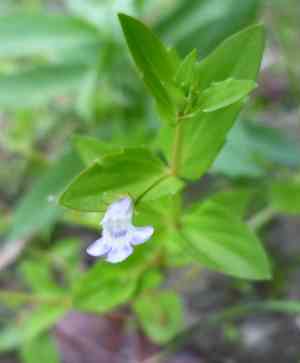
Yellowseed false pimpernel (Lindernia dubia)
Also known as: False pimpernel
The Yellowseed false pimpernel (Lindernia dubia), commonly referred to as moist bank pimpernel, thrives in wet environments across North and South America. It is typically found along pond edges, riverbanks, and in meadows. This plant can grow up to 30 cm tall and is known for its predominantly tubular flowers.
In This Article
Attributes of Yellowseed false pimpernel
Lifespan
Annual, Biennial
Plant Type
Herb
Plant Height
5 cm to 20 cm
Spread
20 cm to 30 cm
Leaf Color
Green
Flower Size
2.5 cm
Flower Color
White Purple Blue Violet
Images of Yellowseed false pimpernel
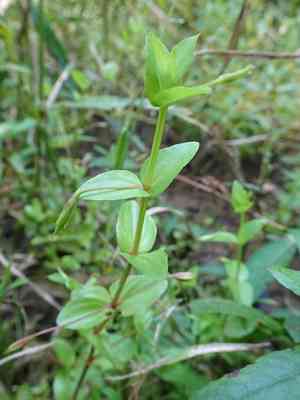
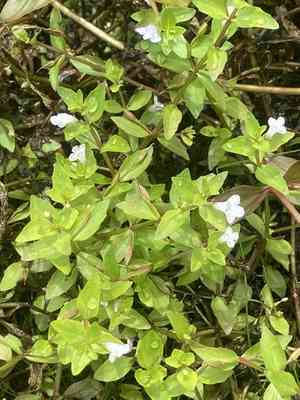
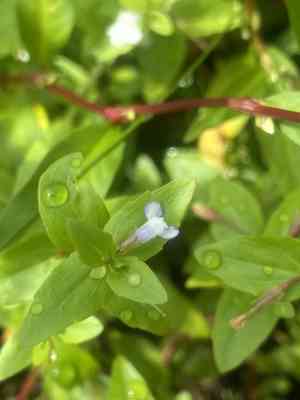
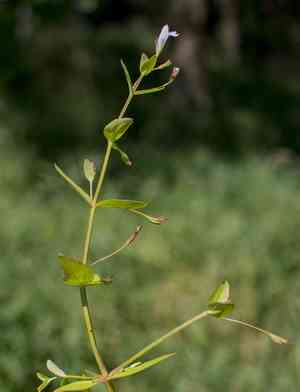
Quickly Identify Yellowseed false pimpernel
1
To identify Lindernia dubia, look for small, opposite leaves that are lance-shaped and finely toothed. Its flowers are typically small, tubular, and pale blue or lavender, with a distinct lower lip.
Scientific Classification of Yellowseed false pimpernel
Phylum
Vascular plants
Class
Dicotyledons
Order
Lamiales
Family
Lindernia
Genus
False pimpernels
Species
Yellowseed false pimpernel
Planting and Growing of Yellowseed false pimpernel
Care Difficulty
Easy
Watering Schedule
Every 8 days
Sunlight Requirements
Partial sun
Sunshine Duration
6-10 hours
Ideal Temperature
68-77℉
Soil Type
Potting Mix, Peat Mix
Soil pH
6.5-7.5
Fertilizer Type
Balanced
Pruning Season
Spring, Summer
Pruning Area
Branches, Leaves
Pruning Frequency
2 times a year
Repotting Season
Spring
Pot Type
Plastic, Ceramic
 How to Water Yellowseed false pimpernel?
When watering Lindernia dubia, ensure the soil is thoroughly moistened without becoming waterlogged. Aim for the soil to be damp to the touch but not wet, as the plant thrives in consistently moist environments. This can typically be achieved with about 200 ml of water per watering, depending on the size of the pot and the specific growing conditions.
What are the symptoms of an underwatered Yellowseed false pimpernel?
›
What should I do if my Yellowseed false pimpernel is not getting enough water?
›
What are the symptoms of an overwatered Yellowseed false pimpernel?
›
How to save an overwatered Yellowseed false pimpernel?
›
 What Are the Sunlight Requirements for Yellowseed false pimpernel?
Lindernia dubia thrives in partial sun to full sun, making it ideal for sunny garden spots or bright indoor setups. This light range promotes photosynthesis, ensuring vibrant foliage and healthy bloom cycles.
More About Sunlight Requirements Techniques→
What type of sunlight does Lindernia dubia prefer?
›
How can I ensure my Lindernia dubia gets its ideal lighting?
›
What are the benefits of providing Lindernia dubia with optimal sunlight?
›
 What Is the Ideal Temperature Range for Yellowseed false pimpernel?
Lindernia dubia thrives best in a temperature range of 68°F to 77°F. This range provides the plant with optimal growing conditions, ensuring efficient photosynthesis and healthy development. Within this range, the plant exhibits robust growth, lush foliage, and flowering potential. Maintaining these temperatures is crucial for avoiding stress and promoting overall plant vigor.
 What Soil is Best for Yellowseed false pimpernel?
Lindernia dubia thrives in soil that offers excellent drainage. This requirement is crucial for preventing waterlogged conditions which can lead to root rot, ultimately promoting healthier growth and vigor in the plant. This plant prefers soil rich in organic matter as it boosts nutrient content. Greater nutrient availability supports robust growth and vibrant foliage, ensuring the plant has access to necessary nutrients throughout its lifecycle. A mixture with a fine balance of sand and loam ensures optimal root development for Lindernia dubia. Sand enhances drainage, while loam provides needed nutrients, together promoting strong root systems.
 How to Fertilize Yellowseed false pimpernel?
For Lindernia dubia, use a balanced fertilizer with an N-P-K ratio of 10-10-10. When applying liquid fertilizer, dilute it to half the recommended strength to avoid nutrient burn. Use approximately 250ml of diluted liquid fertilizer per square meter of soil surface.
 How to Prune Yellowseed false pimpernel?
Begin by sanitizing your pruning shears to prevent disease transmission. Inspect the plant and identify any dead or discolored leaves, stems, or flowers; these should be your targets. Trim these parts back to the base or to a healthy portion of the stem. For overall shape maintenance, cut back overgrown areas to shape Lindernia dubia into a more compact form. Avoid cutting back more than one-third of the plant at once as it can stress the plant.
More About Pruning Techniques→
 How to Propagate Yellowseed false pimpernel plant?
1
To prepare the soil for seed propagation, select a light, well-draining potting mix. Sterilize the soil before use to prevent disease, and moisten it to create an ideal environment for germination.
2
When taking cuttings, choose healthy, disease-free stems. Use a sharp, sterilized knife or scissors to cut a 4-6 inch section. Remove any lower leaves to prevent them from rotting in the soil.
3
For division propagation, carefully dig up the plant to avoid damaging the roots. Use a clean, sharp knife to cut the plant into smaller sections, each containing roots and shoots, for replanting.
 How to Repot Yellowseed false pimpernel plant?
1
Lindernia dubia should be repotted when its roots start to become visible through the drainage holes or when growth seems stunted. These signs indicate that the plant needs more space or fresh soil to thrive better.
2
Choose a pot slightly larger than the current one, ensuring it has drainage holes to prevent waterlogging, which can lead to root rot. A proper size allows the plant sufficient room to grow without overstimulating root spread.
3
Opt for a well-draining mix that's rich in organic matter. Such soil ensures the plant remains hydrated while excess water is efficiently drained, preventing root diseases and promoting healthy growth.



