How Much Sunlight Do Yellow Star Grass Need?
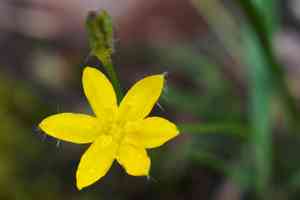
1
Yellow Star Grass flourishes optimally in direct sunlight, though it can endure some dappled light.
2
The perfect amount of sun for Yellow Star Grass is more than six hours of direct light each day.
3
Insufficient light can cause Yellow Star Grass to exhibit distress, like faded foliage or diminished blooms.
Optimal Light Conditions for Yellow Star Grass
Full Sun vs. Partial Shade
Yellow Star Grass, known for its bright yellow blossoms, flourishes with ample sunlight. Ideally, it prefers full sun, meaning at least 6 hours of direct sun daily. However, it's quite adaptable and can endure partial shade, typically 3-6 hours of direct or filtered light. While full sun promotes vigorous flowering and growth, partial shade can be beneficial in extremely hot climates to reduce stress.
Daily Light Requirements
For peak growth and flowering, Yellow Star Grass should receive over 6 hours of direct sunlight each day. This ensures the plant gathers sufficient energy to produce its lovely star-shaped blooms. If placed in partial shade, ensure it gets the maximum possible light within those hours, as consistent insufficient light can hinder its development.
Seasonal Light Fluctuations
Yellow Star Grass is also responsive to seasonal light changes. During spring and summer, with longer days, the plant naturally receives more light, leading to increased photosynthesis and robust growth. Conversely, in fall and winter, reduced daylight hours mean less sun. If cultivating Yellow Star Grass in regions with significant seasonal shifts, try to position it in a spot with the best possible year-round light exposure.
Assessing Sunlight Exposure for Yellow Star Grass
Employing Sunlight Meters
A practical method to ensure your Yellow Star Grass gets enough sunlight is by using a sunlight meter. These devices measure light intensity in a specific area, helping you confirm if your plant's location meets its light needs. Position the meter near the plant and check readings at various times to get an average exposure.
Natural Indicators of Sufficient Light
If a sunlight meter isn't available, observing the plant's natural cues can also guide you. Healthy Yellow Star Grass will display vibrant green leaves and produce numerous bright yellow flowers. Dark green leaves typically indicate ample sunlight. Furthermore, abundant blooming usually signifies the plant is thriving in its current light conditions.
Signs Your Yellow Star Grass Needs More Light
Stunted Development
One of the initial indicators that your Yellow Star Grass requires more sunlight is slowed growth. If you observe that the plant isn't developing as vigorously as it should during its active season, it might be struggling with inadequate light. Moving it to a sunnier location could help revitalize its growth.
Pale or Discolored Foliage
Another key sign is leaf discoloration. If the leaves begin to turn pale or yellowish, and the plant appears generally unhealthy, it often points to insufficient sunlight. Ensuring the plant receives the correct amount of sun will typically help the leaves regain their healthy, green hue.
Reduced Bloom Production
Flowering is a vital aspect of Yellow Star Grass, and diminished blooming can be a clear signal that the plant needs more light. If you notice fewer flowers than usual, or the blooms lack vibrancy, consider increasing its light exposure. Without adequate sunlight, the plant cannot achieve its full flowering potential.
Protecting Yellow Star Grass from Excessive Sunlight
Providing Shade During Peak Hours
While Yellow Star Grass loves sunlight, too much, especially during the day's hottest hours, can be detrimental. Consider using shade cloths or placing your plant where it receives some natural shade during the warmest part of the day, typically between 10 a.m. and 4 p.m. This helps prevent sunburn or excessive drying.
Using Mulch to Retain Soil Moisture
In addition to providing shade, applying a layer of mulch around the base of Yellow Star Grass can help maintain soil moisture. Mulch keeps the roots cool and reduces water evaporation, which is crucial during hot weather. This preventative measure ensures the plant stays hydrated and protected from intense midday sun.
Optimal Planting Locations for Yellow Star Grass
Garden Beds
Yellow Star Grass performs exceptionally well in garden beds, provided they receive ample sunlight. Choose a spot that gets morning sunlight, which is less intense but still provides the necessary energy for growth. Avoid areas shaded by large trees or structures that might block light.
Using Containers
Growing Yellow Star Grass in containers offers the flexibility to relocate plants to maximize sunlight exposure. Containers are especially useful for gardeners in areas with varying sunlight. Ensure pots have good drainage and are placed where plants receive at least 6 hours of daily sunlight.
Landscaping and Borders
Yellow Star Grass is an excellent choice for borders and landscape features in your garden. Plan to plant them in sunny border areas where they can thrive in full sun while adding color and charm to your garden design. They can be spaced out to create a natural, effortless look while ensuring each plant gets adequate light.



