Enhancing Your Garden Design with the Yellow Star Grass Plant: A Landscaping Guide
1
Yellow Star Grass flourishes in soil that drains effectively and in areas with ample sunlight.
2
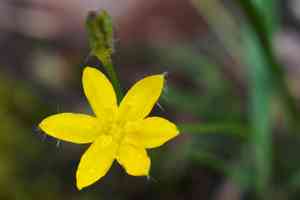
The vivid hue of Yellow Star Grass can serve as a central attraction in any garden layout.
3
Yellow Star Grass offers environmental advantages, aiding in drawing in beneficial insects such as bees and butterflies.
Grasping the Importance of Yellow Star Grass in Outdoor Spaces
Improving garden beauty with Yellow Star Grass
The vivid yellow shade of Yellow Star Grass brings a burst of color to any garden, making it a superb option for boosting the visual charm of your landscape. Its star-shaped blossoms offer a striking contrast against the greens and more subdued tones of other garden plants. By arranging Yellow Star Grass in clusters or along paths, you can craft a visually stimulating setting that captures attention and elevates your garden's overall look.
Ecological advantages: Why opt for Yellow Star Grass
Yellow Star Grass provides several ecological benefits, making it a valuable addition to your landscaping. This plant serves as an attractant for pollinators like bees and butterflies. Including Yellow Star Grass in your garden not only beautifies the area but also supports the local ecosystem by contributing to the health and sustainability of pollinator populations. Furthermore, the plant naturally resists pests and diseases, lessening the need for chemical interventions and fostering a healthier garden environment.
Year-round appeal of Yellow Star Grass
Yellow Star Grass boasts year-round attractiveness, making it a versatile choice for any garden. While its flowers are most striking in spring and summer, the plant retains its green foliage throughout the year. This continuous greenery helps keep your garden looking lively and vibrant even during off-seasons. By integrating Yellow Star Grass into your garden plan, you ensure your landscape has ongoing visual interest and charm.
Design Principles for Incorporating Yellow Star Grass in Gardens
Selecting the optimal spot for Yellow Star Grass
Choosing the perfect location for Yellow Star Grass is vital for its growth and aesthetic contribution. Yellow Star Grass thrives in well-drained soil and areas receiving ample sunlight. Placing the plant where these conditions are met ensures vigorous growth and abundant blooms. Consider spots where the yellow flowers can act as focal points, such as near patios, along garden paths, or in rock gardens.
Companion plants for Yellow Star Grass
When planning your garden, it's crucial to consider companion plants that will complement Yellow Star Grass's vibrant yellow flowers. Plants with contrasting colors, such as purple coneflowers or blue salvias, can heighten the visual impact. Additionally, foliage plants like hostas or ferns can provide a contrasting backdrop that allows the yellow blossoms of Yellow Star Grass to truly stand out. Mixing Yellow Star Grass with various perennials and annuals can create a dynamic and visually appealing garden.
Color harmony and textural contrast
Integrating Yellow Star Grass into your garden design involves careful color coordination and textural contrast. The bright yellow flowers can be paired with plants in complementary hues for striking visual effects. Additionally, consider the textures of nearby plants; the delicate blooms of Yellow Star Grass can be contrasted with larger, bolder leaves or the fine textures of grasses. This approach not only enhances the beauty of Yellow Star Grass but also adds depth and dimension to your garden.
Care Guidelines for Yellow Star Grass in Landscape Settings
Seasonal upkeep and maintenance
Caring for Yellow Star Grass requires some seasonal maintenance to ensure it remains healthy and vibrant. In spring, clear away any debris from around the plant to encourage growth and prevent disease. During the growing season, deadhead spent flowers to promote more blooms and extend the flowering period. In fall, cutting back the foliage can help prepare the plant for winter. Regular maintenance ensures that Yellow Star Grass stays attractive and continues to flourish in your garden.
Managing growth and spread
Yellow Star Grass is known for its manageable growth habit, making it a low-maintenance addition to your landscape. However, it's still important to monitor its spread to ensure it doesn't overcrowd other plants. If necessary, Yellow Star Grass can be divided every few years to control its size and rejuvenate the plant. Dividing also allows you to propagate and spread Yellow Star Grass to new areas of your garden or share with fellow gardeners.
Watering requirements for optimal health
Proper watering is essential for the health of Yellow Star Grass. While the plant is relatively drought-tolerant once established, it benefits from consistent moisture, particularly during dry spells. Water Yellow Star Grass regularly, but be careful not to overwater, as excessive moisture can lead to root rot. A good rule of thumb is to water deeply but infrequently, allowing the soil to dry out between watering sessions. Mulching around the base of the plant can help retain moisture and keep the roots cool.
Innovative Ways to Feature Yellow Star Grass in Your Yard
Unique landscaping concepts with Yellow Star Grass
There are many creative ways to feature Yellow Star Grass in your yard. Consider planting it in a rock garden where its bright flowers can contrast with the rugged texture of rocks. Another idea is to create a meadow-like area by interspersing Yellow Star Grass with grasses and other wildflowers. The whimsical appearance of Yellow Star Grass blooms can also complement more formal garden settings when used as a colorful accent in carefully designed flower beds.
Integrating Yellow Star Grass in confined spaces
If you have limited gardening space, Yellow Star Grass is an excellent choice for adding color and interest. Planting Yellow Star Grass in containers or window boxes allows you to enjoy its beauty even in small areas like patios or balconies. When used in raised beds or along narrow borders, Yellow Star Grass can provide a splash of color without taking up too much space. Its compact size and eye-catching flowers make it perfect for smaller landscapes.
Utilizing Yellow Star Grass as a natural boundary or edging
Yellow Star Grass can also be effectively used as a natural border or edging plant. Its low-growing habit makes it ideal for lining walkways, garden paths, or perimeter edges. By planting Yellow Star Grass along borders, you create a visually appealing boundary that separates different garden areas or delineates property lines. This use not only adds structure to your garden design but also provides a continuous display of color throughout the growing season.



