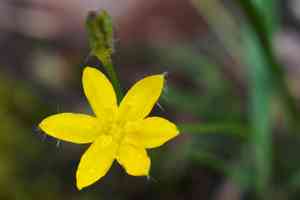
Yellow Star Grass (Hypoxis hirsuta)
Also known as: Common Stargrass, Yellow Stargrass, Common Star-grass, Yellow Star Flower
Spearleaf Stonecrop (Sedum lanceolatum) is a diminutive perennial that typically reaches up to 15 cm in height. It thrives in dry prairies and open woodlands. This plant features yellow, star-shaped flowers that bloom from spring through summer. It flourishes best in full sun to partial shade. When in bloom, its golden-yellow flowers create a striking visual contrast against its green foliage.
In This Article
Attributes of Yellow Star Grass
Lifespan
Perennial
Plant Type
Herb
Plant Height
8 cm to 15 cm
Spread
8 cm to 15 cm
Leaf Color
Green
Flower Size
2.5 cm
Flower Color
Yellow
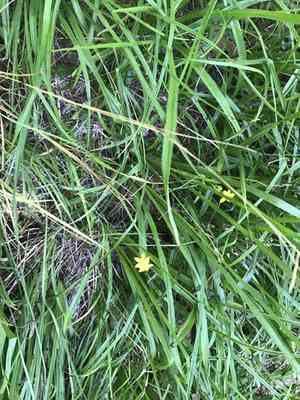
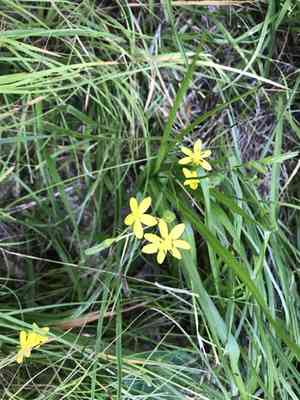
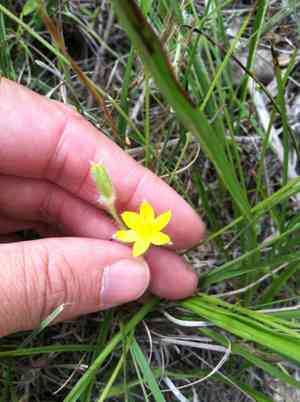
Images of Yellow Star Grass
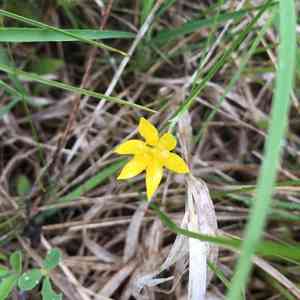
Quickly Identify Yellow Star Grass
1
Tufts emerge from fibrous corm with coarse hairs, giving a grassy appearance.
2
Star-shaped, yellow flowers on expanding clumps in open, well-lit areas.
3
Distinctive fruit capsules open to reveal glossy black seeds with wart-like projections.
4
Linear leaves with scattered white hairs, pointed tips, and simple vein pattern.
5
Slender stems, erect or reclining, covered in fine hairs, ending in loose umbels.
Scientific Classification of Yellow Star Grass
Phylum
Vascular plants
Class
Monocotyledons
Order
Asparagales
Family
Stargrass
Genus
Star-grass
Species
Yellow Star Grass
Planting and Growing of Yellow Star Grass
Care Difficulty
Easy
Watering Schedule
Every 4 days
Sunlight Requirements
Partial sun
Sunshine Duration
6-10 hours
Ideal Temperature
65-75℉
Soil Type
Potting Mix, Peat Mix
Soil pH
6.5-7.5
Fertilizer Type
Balanced
Pruning Season
Spring, Summer
Pruning Area
Branches, Leaves
Pruning Frequency
2 times a year
Repotting Season
Spring
Pot Type
Plastic, Ceramic
 How to Water Yellow Star Grass?
When watering Hypoxis hirsuta, it is important to ensure the soil remains moist but not waterlogged. Provide approximately 250 ml of water per session, enough to moisten the soil thoroughly without creating standing water. The soil should feel damp at about one inch below the surface.
What are the symptoms of an underwatered Yellow Star Grass?
›
What should I do if my Yellow Star Grass is not getting enough water?
›
What are the symptoms of an overwatered Yellow Star Grass?
›
How to save an overwatered Yellow Star Grass?
›
 What Are the Sunlight Requirements for Yellow Star Grass?
Hypoxis hirsuta's ideal light range is partial sun to full shade. This environment supports robust growth, lush foliage, and vibrant blooms.
More About Sunlight Requirements Techniques→
What kind of light does Hypoxis hirsuta need?
›
How can you provide ideal lighting?
›
What are the benefits of ideal lighting?
›
 What Is the Ideal Temperature Range for Yellow Star Grass?
For Hypoxis hirsuta, maintaining an ideal temperature range between 65°F and 75°F is crucial for optimal growth. This range ensures that the plant can carry out photosynthesis efficiently and maintain its metabolic processes without stress. In this temperature window, the plant can both develop robust root systems and healthy foliage, which are essential for maintaining overall plant vigor.
 What Soil is Best for Yellow Star Grass?
Hypoxis hirsuta prefers well-draining soil to avoid waterlogging, which can lead to root rot. Ensuring good drainage is beneficial as it allows excess moisture to escape and roots to breathe. This plant thrives in nutrient-rich soil, which supports robust growth and vibrant flowering. Adding organic matter such as compost can enhance soil fertility and structure, benefiting the plant. The soil should be kept moderately moist but not soggy. Consistent moisture helps maintain the plant's growth and vitality while preventing stress from dehydration.
 How to Fertilize Yellow Star Grass?
For Hypoxis hirsuta, it is crucial to apply a moderate amount of fertilizer. When using liquid fertilizer, mix one tablespoon per gallon of water. For solid fertilizers, use about two tablespoons per square foot of soil. Too much can harm the plant, and too little will not provide the necessary nutrients.
 How to Prune Yellow Star Grass?
Begin by inspecting the plant for any dead or yellowing leaves and cut them back to the base. This not only tidies up the plant's appearance but also prevents potential disease spread. Prune back crowded sections to improve air circulation, which can help prevent fungal diseases. This approach allows light to reach all parts of the plant evenly.
More About Pruning Techniques→
 How to Propagate Yellow Star Grass plant?
1
Collect seeds from mature Hypoxis hirsuta plants when the seed pods are fully dried. Ensure that the seeds are harvested before they dehisce naturally to avoid losing them. Store collected seeds in a cool, dry place until ready for planting.
2
Prepare a well-draining soil mix by combining equal parts of peat, sand, and perlite. This mixture ensures proper aeration and prevents excessive moisture retention, which can lead to fungal infections during the propagation process.
3
For division propagation, carefully dig around the plant clump using a garden trowel. Split the root ball into smaller sections, ensuring each section has healthy roots and bud growth points. Replant the divisions at the same depth as the original plant.
 How to Repot Yellow Star Grass plant?
1
Look for signs like roots protruding from drainage holes, soil that stays soggy for too long, or a noticeable slow growth during the growing season—these indicate it's time to repot.
2
Choose a pot that's 1-2 inches larger in diameter than the current one. It should have drainage holes to prevent overwatering and root rot. This size gives roots space to grow without drowning the plant.
3
Select a well-draining sandy mix that mimics its natural habitat. This helps prevent waterlogging while providing ample aeration for roots, ensuring healthy growth.
Learn More About Yellow Star Grass Diseases
Anthracnose
Bacterial Leaf Spot
Bacterial Soft Rot
Bacterial Wilt
Black Spot
Chemical Injury
Damping-off
Downy Mildew
Drought Stress
Fusarium Wilt
Gray Mold
Leaf Spot
Mosaic
Nutrient Deficiency
Nutrient Toxicity
Powdery Mildew
Root Rot
Root-knot Nematode
Rusts
Sooty Mold
Spider Mites
Temperature Stress
Thrips Damage
White Mold



