How Much Sunlight Do Slender St. John's wort Need?
1
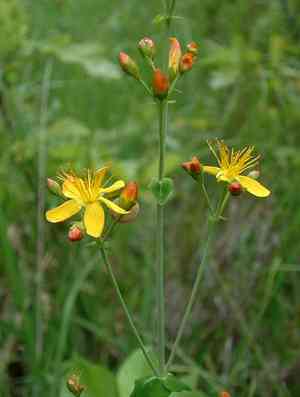
Hypericum perforatum, a slender variety, flourishes in direct sun yet endures some shade.
2
Target a minimum of 6 to 8 hours of unfiltered daylight each day for peak development.
3
Observe for indications of sun damage or inadequate illumination to modify light access as needed.
Optimal Light Conditions for Slender St. John's wort
The Importance of Light for Slender St. John's wort
Light is vital for Slender St. John's wort. This vibrant plant relies on photosynthesis to convert light into the energy required for growth and blooming. With ample light, it develops robust stems and produces its characteristic yellow flowers. Without enough light, the plant may become elongated, weak, and less likely to bloom. Therefore, ensuring sufficient light for your Slender St. John's wort is crucial for its overall health and appearance.
Ideal Daily Sunlight Exposure for Peak Growth
For Slender St. John's wort to thrive, it generally needs 6 to 8 hours of direct sunlight daily. Placing it where it receives the most sunlight throughout the day will boost its development. This means choosing east, south, or southwest-facing areas in your garden or on your balcony. Providing the recommended hours of sunlight ensures the plant has ample energy for photosynthesis, leading to lush foliage and abundant flowers.
Shade vs. Sun for Slender St. John's wort
Advantages of Partial Shade
While Slender St. John's wort prefers full sun, it can tolerate some shade. Partial shade can shield the plant from intense midday sun, which can sometimes be too harsh. If your garden experiences very hot summers, partial shade, especially during the warmest hours, can prevent leaf scorch. This balanced exposure helps the plant maintain its vigor without stress from excessive heat.
When Full Sun is Most Beneficial
Full sun is most beneficial for Slender St. John's wort as it maximizes the photosynthesis process. This strong light exposure promotes more vigorous growth, brighter blooms, and a healthier plant structure. Especially in areas with moderate temperatures, full sun conditions are perfect. However, ensure the plant is well-hydrated and the soil remains moist, as full sunlight can dry out the soil more quickly.
Placing Slender St. John's wort in Your Garden
Best Garden Spots for Maximum Light
To maximize sun exposure for your Slender St. John's wort, strategic placement in your garden is key. Select locations that receive unobstructed sunlight for most of the day, such as areas facing southeast, south, or southwest. Raised beds, borders, or container gardening in these sunny spots can also ensure your plant gets the necessary light. Avoid placing the plant where tall structures, fences, or trees might cast shadows and reduce light exposure.
Adapting to Seasonal Light Variations
Seasonal changes impact the sun's angle and duration throughout the year. In summer, more intense and prolonged sunlight requires monitoring soil moisture to prevent dehydration. During autumn and winter, move your Slender St. John's wort to a spot with maximum sun exposure, as daylight hours decrease. Tracking these changes and adjusting the plant's location accordingly ensures it receives adequate light year-round.
Indicators of Too Much or Too Little Light
Recognizing Sunburn on Slender St. John's wort
Excessive sunlight can cause sunburn on Slender St. John's wort, appearing as scorched, brown, or bleached leaves. Sunburn can weaken the plant, making it vulnerable to diseases. To prevent this, regularly check the plant and provide shade during extreme heat or midday sun. Using a light shade cloth or moving the plant to a slightly shaded area can prevent sunburn while still providing sufficient light.
Addressing Insufficient Light
Insufficient sunlight can cause Slender St. John's wort to become leggy with sparse, small leaves and poor flowering. To fix this, evaluate the plant's current location and move it to a sunnier spot if necessary. Pruning any nearby vegetation that might be blocking light can also help. Ensuring the plant receives at least 6 hours of direct sunlight daily can correct growth issues caused by inadequate light.
Enhancing Natural Sunlight: Alternatives and Supplements
Utilizing Grow Lights for Slender St. John's wort
If natural sunlight is limited, especially in winter, supplementing with grow lights can benefit Slender St. John's wort. LED grow lights that mimic the full spectrum of sunlight can provide the necessary light for photosynthesis. Position the grow lights 30-45 cm (12-18 inches) above the plant and operate them for 10-12 hours daily to ensure adequate light exposure. This can significantly improve the plant's growth and flowering during periods of low light.
Reflective Materials to Boost Light Availability
Increasing light availability using reflective materials can also help Slender St. John's wort. Placing reflective surfaces like white walls, mirrors, or aluminum foil around the plant can bounce additional light onto it, increasing its total light exposure. This method is especially useful indoors or in areas with indirect light, helping ensure the plant receives enough light to thrive even in less-than-ideal conditions.



