How to Prune Slender St. John's wort?
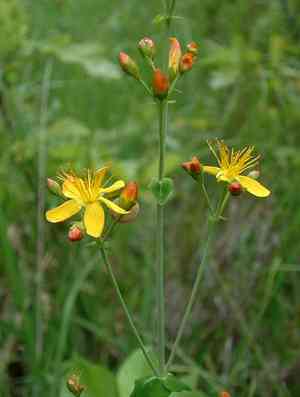
This enduring plant, featuring vibrant yellow blossoms, Hypericum perforatum, flourishes with post-bloom deadheading to stimulate additional flowering. Early spring trimming fosters denser development by cutting back aged stalks prior to the emergence of new shoots. The most effective pruning takes place after summer flowering to preserve its form and well-being. Consistent elimination of frail or lignified stems boosts vitality without severe reductions, guaranteeing the perennial's endurance and visual attractiveness.
What Are the Benefits of Pruning Slender St. John's Wort?
What Are the Benefits of Pruning Slender St. John's Wort?
Trimming slender St. John's wort promotes robust development and preserves its form. It stimulates fresh growth that can yield more blossoms, enhances its overall visual appeal, and can prevent excessive growth which might lead to pest and disease issues.
What Is the Best Time for Pruning Slender St. John's Wort?
What Is the Best Time for Pruning Slender St. John's Wort?
Late spring is an optimal period for trimming slender St. John's wort to ensure the plant has exited its dormant winter phase and can quickly recover from the cuts, minimizing stress. Additionally, pruning before summer's arrival allows slender St. John's wort to direct its energy towards producing new growth and flowering. Early summer, after blooming, is also suitable for cutting back spent flowers on slender St. John's wort, which will encourage a second flush of blooms and maintain a desired plant shape. It is crucial to avoid pruning slender St. John's wort in late summer or fall, as new growth may not harden sufficiently before frosts, leading to potential damage. By adhering to these seasons, gardeners will foster a healthier slender St. John's wort, with a vigorous growth cycle and attractive, abundant flowering.
What Tools Do I Need to Prune Slender St. John's Wort?
Bypass Pruners
Perfect for making clean cuts on slender St. John's wort's relatively thin stems, bypass pruners operate like scissors and are less likely to crush delicate tissues, promoting better healing.
Gardening Shears
Useful for shaping slender St. John's wort and cleanly removing flower buds or seed heads without harming the rest of the plant.
Gardening Gloves
While slender St. John's wort isn't known for being particularly thorny, gloves will shield your hands from any minor prickles or from extended contact with the sap, which might be irritating to some individuals.
How to Prune Slender St. John's Wort
Clean tools
Before beginning the trimming process, ensure all pruning implements are clean and sharp. This helps prevent disease spread and ensures clean cuts that heal more effectively.
Remove diseased parts
Carefully inspect slender St. John's wort for diseased leaves and stems. Using your pruning tools, remove these immediately to prevent disease spread. Cut the diseased parts back to healthy wood, ensuring no diseased tissue remains.
Trim withered leaves
Identify any withered or dead leaves on slender St. John's wort that are no longer contributing to the plant's growth. Gently snip them at the base where they meet the stem or branch, taking care not to damage any new growth or healthy tissue.
Thin out stems
If there are clusters of diseased stems, thin these out to improve air circulation. This step involves selectively pruning stems at their base, particularly those that are crowded or crossing over others, to promote better plant health.
Disinfect tools
After pruning slender St. John's wort, disinfect all tools used. This prevents potential transmission of pathogens to other plants in the garden.
Common Pruning Mistakes with Slender St. John's Wort
Overpruning
Removing too much growth from slender St. John's wort at once can weaken the plant and delay its flowering. It is crucial to prune no more than one-third of the plant at any given time.
Improper cut locations
Making cuts too far from a bud, node, or not on a diagonal can lead to poor regrowth and potential disease entry. Cuts should be made just above buds or branching points at a 45-degree angle.
Ignoring dead or diseased wood
Failing to remove dead, diseased, or damaged wood can encourage disease and pest problems. Such wood should be identified and pruned out promptly to maintain slender St. John's wort's health.
Pruning without disinfecting
Using pruning tools without disinfecting them between cuts and on different plants can spread disease. Always clean and disinfect tools before moving to a new cut or plant.
Neglecting plant form
Pruning without considering the natural shape of slender St. John's wort leads to an undesirable appearance and can harm the plant's structural integrity. Aim to maintain a natural form while pruning.
Common Pruning Tips for Slender St. John's Wort
Selective pruning
Cut back only the older stems that have already flowered, encouraging slender St. John's wort to produce new growth which is more likely to flower. Younger stems should be left for future blooming.
Encourage bushy growth
Prune out the tips of slender St. John's wort to encourage bushier growth. This helps increase the number of flowering sites and the overall fullness of the plant.
Thin out crowded areas
Thinning out crowded areas improves air circulation, which reduces the risk of fungal diseases in slender St. John's wort. It also allows more sunlight to reach the interior of the plant.
Use sharp tools
Always use sharp and clean pruning shears or scissors to make precise cuts. Dull tools can crush stems and create jagged cuts that are more susceptible to disease.
Monitor plant health
Regularly check slender St. John's wort before and after pruning for signs of stress or disease. Pruning is an ideal time to assess the plant's overall health and take action if necessary.



