The Slender St. John's wort Plant Advantage: Maximizing Home and Office Appeal and Wellness
1
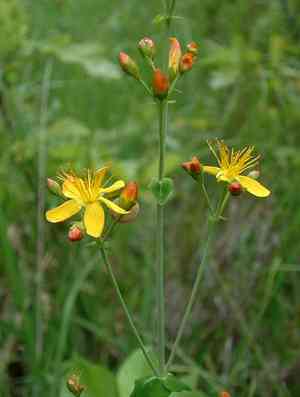
Slender St. John's wort is recognized for its vibrant yellow blossoms that appear in the latter part of summer.
2
This species flourishes in diverse soil conditions, rendering it adaptable for different garden environments.
3
Slender St. John's wort attracts numerous pollinators, such as bees and butterflies.
What Are the Visual Advantages of Slender St. John's wort?
Vivid Hue and Seasonal Charm
A prominent characteristic of Slender St. John's wort is its lovely yellow blossoms that appear in late summer. These flowers can brighten any garden area, offering a burst of color that contrasts with green foliage. The blooms not only improve the aesthetic of flower beds but also can be utilized to craft striking floral arrangements.
Adaptability in Garden Layout
Slender St. John's wort is highly adaptable, fitting well into various garden designs. Whether you are planning a formal garden or a naturalistic setting, this plant can be placed to fill voids, line pathways, or even serve as a central feature. Its compact size means it won't overshadow other plants, and its growth habit complements many garden styles.
How Does Slender St. John's wort Benefit the Ecosystem?
Pollinator-Friendly Environment
Slender St. John's wort acts as a magnet for pollinators, including bees, butterflies, and other beneficial insects. By attracting these creatures, it supports the local ecosystem, assisting in the pollination of other plants nearby. This can lead to a healthier, more diverse garden environment.
Supporting Wildlife
Beyond attracting pollinators, Slender St. John's wort also offers shelter and food sources for various forms of wildlife. Birds and small mammals may use the plant for refuge or sustenance, contributing to a balanced and flourishing garden ecosystem.
Practical Benefits of Cultivating Slender St. John's wort
Minimal Upkeep Requirements
Slender St. John's wort is valued for its low maintenance needs. It can flourish in various soil types and conditions, from well-drained loam to sandy soils. This resilience makes it a practical choice for gardeners who prefer plants that demand little care. Regular watering and occasional trimming are generally sufficient to keep this plant healthy and vibrant.
Erosion Prevention
The root system of Slender St. John's wort aids in stabilizing the soil, making it an excellent option for erosion control. This is particularly useful in gardens with slopes or areas prone to erosion. By planting Slender St. John's wort, you can reduce soil runoff and maintain the integrity of your garden landscape.
Incorporating Slender St. John's wort into Your Garden: Advice and Best Practices
Ideal Planting Conditions
To maximize the potential of Slender St. John's wort, it's crucial to plant it in conditions that align with its natural preferences. This plant thrives in full sun to partial shade and prefers well-drained soil. Planting in early spring or fall allows it to establish roots before the summer heat or winter cold.
Companion Planting
Slender St. John's wort pairs well with a variety of other plants. Consider planting it alongside other perennials like lavender, coneflower, or ornamental grasses. These combinations not only enhance the visual appeal of your garden but also create a more diverse and resilient plant community.
Common Inquiries About Slender St. John's wort
Can Slender St. John's wort Be Grown in Pots?
Yes, Slender St. John's wort can be successfully cultivated in containers, making it a versatile addition to patios, balconies, and other small spaces. Ensure the container has good drainage and use a high-quality potting mix. Consistent watering is essential to prevent the soil from drying out.
How Do I Propagate Slender St. John's wort?
Slender St. John's wort can be propagated through seeds or cuttings. For seed propagation, collect seeds from mature plants and sow them in a seed tray with a light covering of soil. Cuttings can be taken in late spring or early summer and should be rooted in a well-draining mix.



