How Much Sunlight Do Tutsan Need?
1
Tutsan performs optimally with more than six hours of direct sun exposure each day.
2
Although Tutsan can endure some shade, it prospers most in areas offering abundant illumination.
3
Indicators of insufficient light involve elongated stems and diminished bloom production.
What Light Requirements Does Tutsan Have?
Full Sun vs. Partial Shade
Regarding light, Tutsan prefers full sun, meaning it flourishes in settings where it gets over six hours of direct sunlight daily. However, it's quite adaptable and can grow in partial shade, receiving filtered light or under six hours of direct sun. While partial shade is acceptable, full sun exposure guarantees the plant's optimal growth and vitality.
Effect of Direct Sunlight
Direct sunlight is vital for Tutsan's healthy development. The energy from direct sun aids photosynthesis, crucial for the plant's growth and vigor. Consistent direct sunlight helps Tutsan develop vibrant foliage, strong stems, and abundant blooms. Conversely, insufficient direct sunlight may lead to weak, elongated growth and fewer flowers.
Optimal Planting Locations for Tutsan
Choosing the ideal spot for Tutsan involves balancing light availability. In your garden, a perfect location would allow the plant to enjoy morning sun while being protected from intense afternoon sun, especially in warmer climates. South- or west-facing gardens are typically best. If growing Tutsan indoors, position it near a window with ample light, ideally an east-facing one for gentler morning rays.
How Does Light Influence Tutsan's Development?
Photosynthesis and Growth Rate
Sunlight is the primary catalyst for photosynthesis, the process by which Tutsan converts light energy into chemical energy to fuel its growth. Sufficient sunlight ensures the plant grows at a healthy pace, producing lush, green leaves. A well-lit Tutsan will not only grow faster but also be more resistant to diseases and pests, thanks to stronger cellular structures supported by efficient photosynthesis.
Flowering and Fruiting
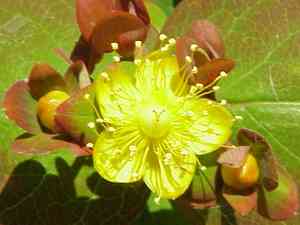
Flowering is another aspect significantly impacted by sunlight. Tutsan blooms profusely with ample sunlight, rewarding you with clusters of beautiful flowers that eventually become berries. These bright yellow blossoms are a delightful sight and enhance your garden's aesthetic appeal. Ensuring your Tutsan receives enough sunlight will maximize flowering and subsequent fruiting, offering a visual treat throughout the seasons.
Can Tutsan Endure Dim Light Conditions?
Signs of Insufficient Light
While Tutsan can tolerate lower light, it often shows signs of distress when light is inadequate. Look for indicators like leggy growth, where stems become elongated and weak, leaves may yellow, and the plant might produce fewer flowers. These signs indicate your Tutsan isn't getting enough light and requires a brighter location.
Adjusting Care for Indoor Tutsan
For indoor Tutsan, it's essential to replicate outdoor light conditions as closely as possible. Place your plant near a bright window where it can receive indirect but strong light. East-facing windows are often the best spots. You might need to rotate the pot regularly to ensure all sides get equal light exposure, promoting even growth. Monitoring soil moisture closely also helps, as indoor plants often have different watering requirements.
Supplemental Lighting Solutions
If natural light is limited, consider using supplementary lighting like grow lights. LED grow lights can provide the necessary light spectrum for Tutsan to thrive. Position the light approximately 30 to 45 centimeters (12 to 18 inches) above the plant, ensuring it covers all foliage. Keep the light on for about 10 to 14 hours daily to compensate for the lack of natural sunlight, ensuring your Tutsan remains healthy and vibrant.



