The Tutsan Plant Advantage: Maximizing Home and Office Appeal and Wellness
1
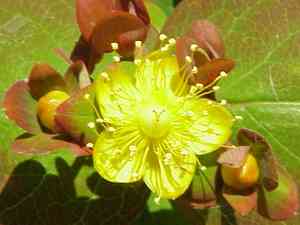
Tutsan is recognized for its appealing blossoms and fruits, enhancing the aesthetic of any outdoor space.
2
This flora possesses historical importance and has been appreciated for diverse applications throughout time.
3
Tutsan thrives in a range of ground types, making it a flexible inclusion for your landscape.
What are the Aesthetic Advantages of Tutsan?
Enhances Visual Appeal
Tutsan is celebrated for its decorative qualities. The plant features striking yellow blossoms that appear in summer, drawing in bees and butterflies. After blooming, it produces vivid red berries that gradually darken, offering a stark contrast to its rich green leaves. This color progression provides year-round visual interest to any garden.
Offers Multi-Season Allure
A remarkable characteristic of Tutsan is its capacity to deliver appeal across multiple seasons. In spring and summer, the plant is adorned with bright, cheerful flowers. As these flowers fade, they are replaced by colorful berries in autumn. Furthermore, Tutsan's foliage often develops a reddish hue in cooler weather, adding a burst of color during fall and early winter.
How Does Tutsan Improve Your Garden?
Boosts Soil Quality
Tutsan adapts readily to various soil types, including poor or depleted ones. This plant can flourish in conditions ranging from well-drained to moderately moist, making it an excellent option for enhancing soil fertility and structure in less-than-ideal garden spots. By cultivating Tutsan, gardeners can improve the richness and overall health of their garden soil over time.
Provides Erosion Control
Thanks to its robust root system, Tutsan is effective at preventing soil erosion. The plant's dense network of roots stabilizes the ground, stopping it from being washed away by heavy rainfall or irrigation. This makes Tutsan an ideal plant for sloped areas, embankments, and other locations prone to erosion.
Why Is Tutsan a Low-Maintenance Plant?
Requires Minimal Upkeep
Tutsan is valued for its easy-care nature, making it a perfect addition for busy gardeners or those aiming for a low-effort garden. The plant needs little pruning, mainly to maintain its form and remove any damaged or old growth. It is also quite resistant to pests and diseases, reducing the need for frequent treatments or interventions.
Adapts to Diverse Environments
Another advantage of Tutsan is its versatility. This plant can grow in both full sun and partial shade and tolerates a wide array of soil types, including clay, loam, and sandy soils. Its ability to endure drought once established makes it a flexible and resilient choice, even in challenging growing conditions.
What Are the Practical Applications of Tutsan?
Traditional Uses and Functions
Tutsan has a long history of practical applications in various cultures. Its wood was traditionally prized for crafting small household items and tools. The plant's leaves were also sometimes used in folk remedies, demonstrating its diverse utility beyond ornamental purposes.
Wildlife Support
Tutsan plays a crucial role in supporting local wildlife. Its flowers attract pollinators like bees and butterflies, vital for a healthy ecosystem. The berries serve as a food source for birds and small mammals, helping to sustain wildlife during colder months when food is scarce. By planting Tutsan, you contribute to local biodiversity and aid the wildlife in your area.
How Can You Integrate Tutsan Into Your Garden Design?
Perfect for Borders and Hedges
Tutsan is well-suited for use in garden borders and hedges. Its dense foliage and attractive flowers create a natural barrier that can define garden areas or offer privacy. When planted in a row, Tutsan forms a lush, green screen that is both practical and visually appealing.
Companion Planting Strategies
When considering companion planting, Tutsan can be paired with other shrubs and perennials that thrive in similar conditions. Suitable companions include lavender, rosemary, and other sun-loving plants. By combining Tutsan with compatible species, you can create a harmonious and flourishing garden ecosystem that maximizes the benefits of each plant.



