How to Prune Tutsan?
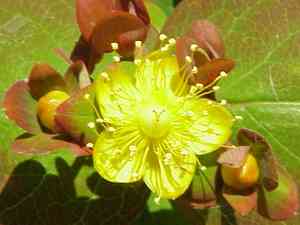
This partially evergreen shrub, recognized for its vibrant yellow blossoms and crimson fruit, thrives with consistent upkeep. The most effective time for trimming tutsan is in early spring to sculpt the plant and foster fresh development. Remove any impaired or excessively long branches, decreasing older wood by a third to stimulate blooming. For tutsan specifically, this period prevents interference with its flowering cycle. Trimming additionally improves air movement and light exposure, which are crucial for the plant's well-being and robustness.
Advantages of Trimming Tutsan
Advantages of Trimming Tutsan
Trimming tutsan promotes robust development and helps maintain its desired structure. This process revitalizes the plant, ensuring strong health and visual appeal.
Optimal Time for Pruning Tutsan
Optimal Time for Pruning Tutsan
Pruning in early spring allows tutsan to recover swiftly as it enters an active growth phase, minimizing stress. This timing also helps eliminate winter damage before the plant expends energy on new foliage and flowers. Pruning prior to blooming and fruiting enables gardeners to shape the plant without sacrificing its decorative value and encourages a fuller, healthier bush with abundant flowers in the subsequent season.
Required Tools for Pruning Tutsan
Hand Pruners
Perfect for cutting small stems and branches of tutsan, enabling precise cuts without harming surrounding plant tissue.
Lopping Shears
Useful for cutting thicker branches of tutsan that hand pruners cannot manage, typically those up to 1.5 inches in diameter.
Pruning Saw
Essential for removing large branches of tutsan, providing a clean cut that encourages rapid wood healing.
Gloves
Protects the gardener's hands from thorns and rough plant material during the tutsan pruning process.
Pruning Snips
Ideal for detailed work on tutsan such as deadheading or thinning crowded areas, especially for delicate or hard-to-reach stems.
How to Prune Tutsan
Step1: Tool Sanitization
Sanitize your pruning tools before starting to prevent disease spread. Use a household disinfectant or a 10% bleach solution to clean the blades of your pruning shears or loppers.
Step2: Dead Wood Identification
Examine tutsan and locate all dead wood by looking for branches that are dry, brittle, and lack green growth. These branches will likely appear gray or brown compared to more vibrant live stems.
Step3: Dead Wood Pruning
Begin by removing any dead wood. Make your cut at a 45-degree angle, 1/4 inch above a live bud or leaf set, to stimulate new growth. Use bypass pruners for smaller branches and loppers for thicker ones.
Step4: Damaged Stem Removal
After removing all dead wood, focus on damaged stems. Look for signs of injury or disease, such as discoloration, wounds, or cankers. Prune these stems back to healthy wood, again cutting 1/4 inch above a live bud.
Step5: Deadheading Spent Blooms
After addressing dead and damaged stems, move to old blooms. Locate spent flower heads and trim them just above the first full set of leaves below the bloom. This deadheading encourages tutsan to produce new flowers and can potentially stimulate a second blooming in some climates.
Step6: Pruning Clean-Up
Review your work and remove any small twigs or leaves that may have been left after pruning. Ensure the overall shape of tutsan is natural and aesthetically pleasing, avoiding over-pruning that can result in sparse or uneven growth.
Step7: Pruned Material Disposal
Dispose of all pruned material either by composting if disease-free, or if there's any sign of disease, bag it and remove it from the garden area to prevent the spread of potential pathogens.
Step8: Post-Pruning Tool Maintenance
Clean your tools again after finishing your pruning job to keep them in good condition and ready for future use. Lubricate moving parts if necessary.
Step9: Post-Pruning Hydration
Water tutsan after pruning to aid recovery and reduce plant stress. Be careful not to overwater, as tutsan prefers well-drained soil.
Step10: Growth Monitoring and Care
Monitor tutsan for new growth, ensuring it receives adequate sunlight and is not overcrowded by other plants. This will encourage healthy development and prepare tutsan for future pruning sessions.
Post-Pruning Care for Tutsan
Post-Pruning Care for Tutsan
Immediately after pruning tutsan, ensure wounds are clean to prevent infection. Place tutsan in partial shade, maintaining ambient humidity and avoiding temperature extremes to aid recovery. Implement a balanced fertilization regimen to support new growth but avoid over-fertilization which can stress tutsan. Observe tutsan regularly for wilting or discolored foliage, indicators of stress or disease. If symptoms appear, adjust care and consider consulting an expert for potential treatment options.
Common Pruning Errors with Tutsan
Over-Pruning Leads to Weak Growth
Pruning tutsan too severely, which can result in weak regrowth and make the plant susceptible to pests and diseases.
Improper Cutting into Old Wood
Cutting into old wood without clear signs of new growth as tutsan may not regenerate from old stems as readily as some other shrubs.
Using Dull or Dirty Tools
Using dull or dirty pruning tools, which can cause uneven cuts and introduce infections to the tutsan.
Not Removing Dead Wood
Failing to remove dead or diseased wood, which can impede healthy growth and affect the overall shape and appearance of the tutsan.
Ignoring Plant's Natural Shape
Disregarding the natural habit of tutsan when pruning, leading to a loss of its naturally pleasing form.
Common Pruning Advice for Tutsan
Use Clean, Sharp Shears for Precision
Use clean, sharp pruning shears to make precise cuts that will heal quickly and minimize the risk of disease infection.
Thin Congested Areas to Boost Health
Focus on thinning out crowded areas to improve air circulation and light penetration, which is particularly beneficial for the health and flowering of tutsan.
Prune for Natural Shape and Damage Prevention
Prune to maintain the natural shape of tutsan, removing any branches that are crossing or rubbing against each other to prevent damage.
Moderate Pruning Encourages Blooms
Remove only a moderate amount of growth to encourage abundant blooms; tutsan flowers on new wood, so it is important not to remove all of the current seasonâs growth.
Trim After Flowering for Reblooming
After flowering, lightly trim back flowered shoots to just above a healthy bud to promote repeat blooming and to maintain an attractive shape.



