How Much Sunlight Do Batwing fern Need?
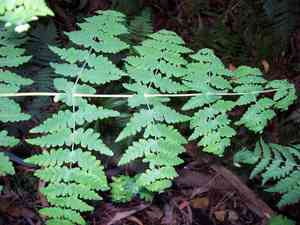
1
Batwing ferns flourish optimally in filtered light, receiving approximately 3-6 hours of diffused sun each day.
2
Unfiltered sun exposure can lead to scorching and harm to the foliage of Batwing ferns.
3
Employing translucent drapes or window coverings can assist in creating the perfect illumination for your Batwing fern.
What Light Does the Batwing Fern Need?
Understanding Its Natural Environment
The Batwing fern originates from tropical and subtropical areas, where it naturally grows beneath the canopy of larger trees. This setting provides filtered sunlight, meaning the fern rarely, if ever, encounters direct sunbeams. Grasping this native habitat is crucial for replicating similar light conditions indoors. Aim to offer a balance of illumination and shade, mimicking the diffused light of a forest floor.
Ideal Indoor Lighting
Indoors, the Batwing fern flourishes in bright, indirect illumination. Position the plant near a north or east-facing window for optimal light exposure. If natural light is limited, consider utilizing artificial light sources such as fluorescent or LED grow lights for supplementation. Remember, consistency is vitalâsudden shifts in light can stress the fern.
Can the Batwing Fern Withstand Direct Sunlight?
Impact of Direct Sunlight on the Batwing Fern
Direct sunlight is generally too intense for the Batwing fern. Prolonged exposure to direct sun can cause scorching, leading to yellowing or browning of its fronds. This plant species is adapted to dappled light, so it's crucial to avoid placing it where it will receive strong, unfiltered sun.
Preventing Sunburn and Leaf Damage
To prevent sunburn and leaf damage, ensure your Batwing fern is not exposed to direct afternoon sun. You can place the fern behind sheer curtains or employ light-diffusing blinds. Regularly inspect the fronds for any indications of burning or discoloration, and relocate the plant to a more shaded spot if necessary.
How to Provide Indirect Light for Batwing Fern
Using Curtains or Blinds
Sheer curtains or light-diffusing blinds are excellent tools for supplying the filtered light that Batwing ferns require. These can help scatter direct sunlight, preventing the fern from being scorched. Simply hang these over the window where your fern is situated to create a suitable lighting environment.
Optimal Window Placement
For the best lighting conditions, position your Batwing fern near a north or east-facing window. These locations offer soft, indirect light that is perfect for the fern's development. If your windows face south or west, be sure to use curtains to diffuse the sunlight.
Utilizing Artificial Illumination
If natural light is insufficient, artificial lighting can be a great alternative. Use fluorescent or LED grow lights that provide full-spectrum illumination. Position the grow light approximately 30-45 cm (12-18 inches) above the plant and keep it on for 10-12 hours daily to mimic natural daylight conditions.
How to Spot Light Stress in Batwing Fern
Symptoms of Excessive Light
Overexposure to light can cause the Batwing fern's fronds to turn yellow or brown, especially at the tips and edges. The leaves may also become dry and brittle, indicating they are receiving too much sunlight. These symptoms often appear first on the parts of the plant that get the most light.
Signs of Insufficient Light
Conversely, inadequate light will result in a Batwing fern becoming leggy and weak. The color of the fronds may fade, and growth will slow considerably. If you observe the fern stretching towards the light source, it may be a sign that it needs more indirect illumination.
Tips for Modifying Light Conditions for Batwing Fern
Gradual Adjustment Methods
When altering the light conditions for your Batwing fern, make changes progressively. If you're moving the fern to a brighter location, do so step by step over several days to prevent shock. Similarly, if moving to a shadier spot, allow the plant to acclimate slowly.
Seasonal Light Variations
Light conditions in your home fluctuate with the seasons. During winter, when daylight hours are shorter, you might need to supplement with artificial light. Conversely, in summer, you may need to move the plant further from the window or use thicker curtains to shield it from stronger sunlight.



