How to Prune Batwing fern?
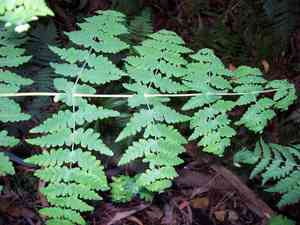
The batwing fern, recognized by its curving fronds that mimic bat wings, flourishes with consistent trimming. Eliminate deceased or compromised fronds at their origin to encourage robust development. Optimal pruning occurs in spring or early summer, aligning with its period of vigorous growth. Trimming enhances air movement and plant strength, diminishing the likelihood of illness. Verify that instruments are sanitized to avert the dissemination of harmful microbes.
Advantages of Trimming Batwing Fern
Advantages of Trimming Batwing Fern
Trimming batwing fern promotes robust development and helps preserve its desired form, ensuring both visual appeal and plant vitality.
Optimal Period for Trimming Batwing Fern
Optimal Period for Trimming Batwing Fern
The best time for trimming or shaping batwing fern coincides with its active growth phase, which occurs during the warmer parts of the year. Pruning in Spring allows the removal of any frost damage from the winter and the shaping of new growth. Early Summer pruning is beneficial as it ensures any dead or overgrown fronds are removed before the peak of the growing season, thus promoting healthier growth and improving air circulation. Avoiding pruning in late summer and fall protects the plant's health, as cuts made during this period might not heal before the cooler temperatures set in, which could lead to an increased risk of infections or pests.
Necessary Tools for Trimming Batwing Fern
Sharp Bypass Pruners
Perfect for making clean cuts on the fronds of batwing fern, bypass pruners inflict less harm on the plant's tissues, fostering healthy regrowth and minimizing disease risk.
Hand Shears
Useful for cutting back older or yellowing fronds of batwing fern near the base, hand shears provide precision and control suitable for the delicate nature of fern fronds.
Gloves
Wearing gloves is crucial while trimming batwing fern to shield the gardener's hands from sharp edges and to ensure a secure grip on the pruning implements.
How to Trim Batwing Fern
Sanitize tools
Before starting the trimming process, ensure that all tools, such as pruning shears or scissors, are clean and disinfected to prevent the spread of any diseases to batwing fern.
Remove diseased leaves
Carefully inspect batwing fern for any diseased leaves which may appear discolored, spotted, or distorted. Using the disinfected shears, cut these leaves at the base where they join the stem or rhizome, making sure not to damage healthy tissue.
Trim withered leaves
Identify withered or old leaves that are completely dry and brown. Gently remove these from batwing fern by cutting at the base as close to the stem or rhizome as possible without harming the surrounding healthy leaves.
Cut diseased stems
Search for any stems that show signs of disease, such as unusual growths or lesions, and prune these stems back to healthy tissue. If the entire stem is affected, it should be cut back to the base.
Cleanup
After pruning is complete, carefully collect and dispose of all trimmed parts away from batwing fern and other plants to prevent contamination. Clean and disinfect the tools again to remove any potentially infectious plant material.
Common Trimming Errors with Batwing Fern
Excessive trimming
Removing too much foliage at once can stress batwing fern, as it relies on its fronds for photosynthesis. Keep pruning moderate to maintain plant health.
Trimming healthy fronds
Cutting live fronds unnecessarily can inhibit batwing fern's growth. Prune only dead or damaged fronds to avoid weakening the plant.
Incorrect tool usage
Using dull or dirty tools can damage batwing fern's fronds and introduce diseases. Always use clean, sharp pruning shears.
Ignoring plant structure
Pruning without understanding batwing fern's natural growth pattern can result in an unbalanced or misshapen appearance. Be mindful of the plant's structure when pruning.
General Trimming Advice for Batwing Fern
Dead and damaged fronds
Carefully remove any brown, dead, or damaged fronds at their base to maintain batwing fern's appearance and health.
Growth direction
When pruning, consider the direction in which new fronds are growing to encourage a natural, aesthetically pleasing shape.
Cleanliness
To prevent disease, clean pruning tools with alcohol or a diluted bleach solution before and after use on batwing fern.
Partial frond removal
If only part of a frond is damaged, consider cutting just that portion instead of the entire frond to preserve batwing fern's photosynthetic ability.
Minimize disturbance
Try to prune batwing fern sparingly and carefully to avoid disrupting the root system and overall plant health.



