How Much Sunlight Do Macaw-flower Need?
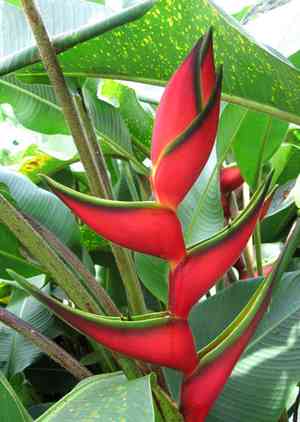
1
Macaw-flower flourishes optimally with 3-6 hours of daily sun exposure.
2
Too much direct sun can lead to scorched leaves on the Macaw-flower.
3
Employing translucent drapes can aid in regulating light intensity for indoor Macaw-flowers.
Ideal Illumination for Macaw-flower
Suggested Light Levels
The Macaw-flower, a beautiful tropical specimen, thrives in partial sun. This typically means it should receive approximately 3-6 hours of direct light daily. Morning sun is particularly advantageous, as its intensity is lower than afternoon rays. In regions with very strong sun, providing shade during the hottest parts of the day will help maintain the plant's health and vibrancy.
Exposure Duration
While 3-6 hours of daily sunlight is optimal, this duration can be somewhat flexible depending on specific growing conditions. For example, if cultivating the Macaw-flower indoors, positioning it near a bright, east-facing window can provide adequate morning light. For outdoor settings, a location that receives dappled sunlight throughout the day would be perfect.
Can Macaw-flower Endure Dim Light?
Impacts of Insufficient Light
The Macaw-flower can survive in low light, but it won't flourish. Under such conditions, you might observe slower development and less vivid foliage. The plant may also produce fewer blooms, which are a primary appeal of the Macaw-flower.
Care Adjustments for Dim Light
If your Macaw-flower is situated in a less-than-ideal light spot, several modifications can be made. Consider moving it to a brighter location, or supplementing natural light with artificial sources. Grow lights are especially useful and should be positioned about 30 cm (12 inches) above the plant, operating for roughly 6-8 hours daily.
What Occurs If Macaw-flower Receives Excessive Sunlight?
Indicators of Overexposure to Sun
Too much sunlight can harm the Macaw-flower. Signs of excessive sun exposure include leaf scorching, where leaf edges become brown and brittle, a condition known as sun scald. Overexposure can also lead to faded flowers and an overall stressed appearance.
Corrective Measures
If you notice your Macaw-flower suffering from too much sun, prompt action is essential. Immediately move the plant to a more shaded area. If it's in a pot, relocation is simple. In a garden, consider installing a temporary shade cloth to filter intense sunlight. Additionally, ensure the plant receives sufficient water to recover from the stress.
Best Indoor Placement for Macaw-flower
Optimal Locations in Your Home
Indoors, the Macaw-flower should be placed where it can receive bright, indirect light. East-facing windows are often the top choice as they offer gentle morning sun. Avoid placing the plant directly in south-facing windows where light intensity can be too harsh.
Utilizing Artificial Illumination
If natural light is insufficient, artificial lights are a viable alternative. Full-spectrum grow lights mimic natural sunlight and can be very effective. Ensure these lights are positioned approximately 30-45 cm (12-18 inches) above the plant and provide light for 6-8 hours daily, particularly during winter months.
Seasonal Light Requirements for Macaw-flower
Summer vs. Winter Light
During summer, sunlight is more intense and days are longer, which can benefit the Macaw-flower if managed correctly. However, in winter, sunlight is less intense and days are shorter, so the plant's light exposure may need augmentation.
Adapting Light Conditions Seasonally
Seasonal adjustments to light conditions are often necessary. In summer, consider partially shading your plant during peak sun hours to prevent leaf burn. In winter, move the plant closer to windows or use grow lights to compensate for reduced natural light. Regular monitoring and adjustment of the plant’s environment will keep the Macaw-flower healthy year-round.



