How to Propagate Macaw-flower?
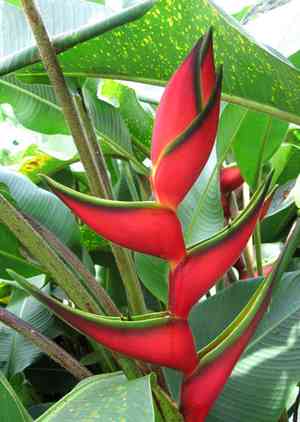
Macaw-flower flourishes when multiplied via separation, a technique well-suited for its sturdy rhizomatous root structure. To achieve successful development, meticulously divide the rhizomes, making sure every piece possesses a minimum of one growing bud. Promptly embed these in soil that drains efficiently, is abundant in organic material, and keep it uniformly damp without saturating the root system. This strategy fosters rapid rooting and energetic proliferation.
When Is the Optimal Period to Propagate Macaw-flower?
Propagation Method
Division
Propagation Period
Spring,Autumn
What Implements Are Utilized for Macaw-flower Propagation?
Sharp Knife or Pruning Shears
These cutting instruments are crucial for cleanly separating the rhizomes of macaw-flower. A sharp, sanitized blade ensures precise cuts, minimizing plant tissue damage, which can lessen infection risk and encourage healthier, quicker healing and regrowth.
Gardening Gloves
Wearing gloves is vital for handling macaw-flower during division to safeguard both the propagator's hands from sharp edges and the plant from potential contamination. Durable material gloves are advised to prevent punctures or tears during the process.
Watering Can with a Fine Rose
After planting the divided macaw-flower rhizomes, gentle watering is necessary. A watering can with a fine rose attachment helps to uniformly distribute water without dislodging newly planted rhizomes or causing soil erosion around them.
Rooting Hormone
While not always essential, employing a rooting hormone can enhance the root development of macaw-flower when divisions are being established. This can be advantageous for promoting quicker establishment and reducing propagation failure rates.
Potting Soil
For potting the newly divided macaw-flower rhizomes, a well-draining soil mix that retains moisture while allowing excess water to escape is critical to prevent rot and support healthy root growth. A soil mix containing organic matter like compost or peat with sand or perlite is ideal.
Label and Marker
Labeling each newly planted division of macaw-flower with the date and any other pertinent information using a weatherproof marker ensures proper tracking of the plant's growth and health, which is essential for successful propagation and future care.
How to Propagate Macaw-flower?
Propagation Type
Easy
How to Nurture Your Newly Propagated Macaw-flower?
How to Nurture Your Newly Propagated Macaw-flower?
Macaw-flowers require ample sunlight but should be shielded from direct harsh rays, making a lightly shaded area ideal. Keep the soil consistently moist but not waterlogged. Regular feeding with a balanced, slow-release fertilizer will support vigorous growth and flowering. Monitor for pests and diseases, especially fungal infections common in humid environments.
Common Errors to Avoid When Propagating Macaw-flower
Insufficient humidity
Maintaining low humidity levels around macaw-flower can impede its ability to efficiently develop roots. This lack of atmospheric moisture can cause cuttings to dry out, significantly decreasing the chances of successful root formation.
Overwatering
While macaw-flower needs moist conditions, excessive water can lead to root rot, particularly in the initial stages of propagation. Overwatering can create an anaerobic environment around the roots, which is detrimental to their health and growth.
Using old or non-sterile equipment
Macaw-flower's cuttings or rhizomes are vulnerable to infection if propagated with tools that are not sterilized. Using contaminated tools can introduce pathogens, leading to diseases that can severely impact propagation success and overall plant health.
Advice For Propagating Macaw-flower
Use of a rooting hormone
Applying a rooting hormone to macaw-flower cuttings can significantly increase the likelihood of successful root development. This helps to stimulate root growth at an accelerated rate, improving overall propagation success.
Providing indirect light
Macaw-flower propagates best under conditions with bright, indirect sunlight. Direct sun exposure can lead to leaf scorch, whereas optimal light conditions support healthier growth and better rooting.
Maintaining warm temperatures
The growth and root development of macaw-flower are optimal in warm conditions. Ensuring a consistently warm propagation environment will support the efficient development of new growth and help establish strong new plants.



