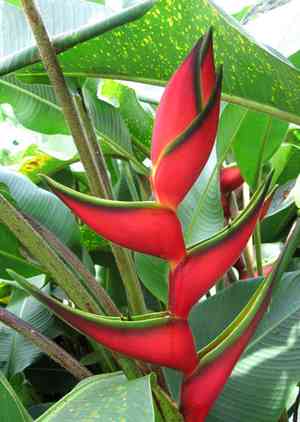
Macaw-flower (Heliconia bihai)
Also known as: Wild plantain, Caribbean heliconia
The macaw-flower, known scientifically as Heliconia, is primarily valued for its striking appearance, making it a popular choice in ornamental gardening. Its vibrant, cup-shaped flowers attract and provide water for birds. In its native habitats, Heliconia also has practical applications, including traditional uses in crafting items like baskets and wraps, and sometimes, its foliage is utilized for roof thatching.
In This Article
Attributes of Macaw-flower
Lifespan
Perennial
Plant Type
Herb
Plant Height
1.5 m
Spread
0.5 to 1 meter
Leaf Color
Dark green
Flower Size
2.5 cm
Flower Color
Red White Green Orange
Images of Macaw-flower
Quickly Identify Macaw-flower
1
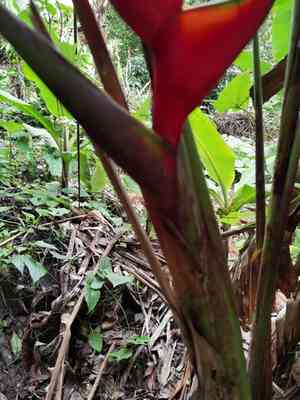
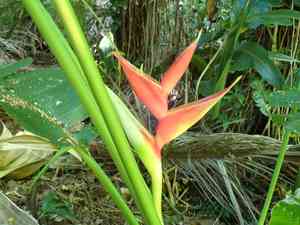
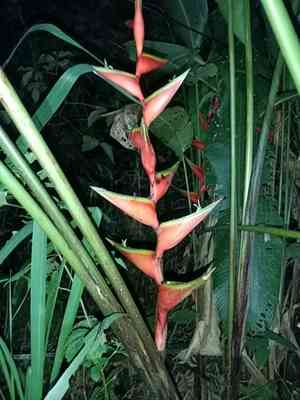
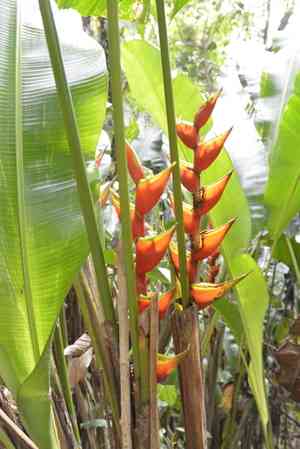
Heliconia bihai can be identified by its large, glossy leaves which are similar to those of banana plants, and its distinctive flower bracts that can be red, orange, yellow, or pink. The true flowers are small and tubular, often concealed within the bracts.
Scientific Classification of Macaw-flower
Phylum
Vascular plants
Class
Monocotyledons
Order
Zingiberales
Family
Heliconia
Genus
Lobster-claws
Species
Macaw-flower
Planting and Growing of Macaw-flower
Care Difficulty
Hard
Watering Schedule
Every 8 days
Sunlight Requirements
Partial sun
Sunshine Duration
4-8 hours
Ideal Temperature
65-86℉
Soil Type
Potting Mix, Peat Mix
Soil pH
6.5-7.5
Fertilizer Type
Balanced
Pruning Season
Spring, Summer
Pruning Area
Branches, Leaves
Pruning Frequency
2 times a year
Repotting Season
Spring
Pot Type
Plastic, Terracotta
 How to Water Macaw-flower?
When watering Heliconia bihai, aim to thoroughly drench the soil until water just starts to trickle out of the drainage holes. This ensures deep root hydration without waterlogging, maintaining a balance that prevents root rot while supporting lush growth.
What are the symptoms of an underwatered Macaw-flower?
›
What should I do if my Macaw-flower is not getting enough water?
›
What are the symptoms of an overwatered Macaw-flower?
›
How to save an overwatered Macaw-flower?
›
 What Are the Sunlight Requirements for Macaw-flower?
Partial sun, receiving filtered sunlight for about 4-6 hours daily, supports Heliconia bihai's vibrant flowering and lush foliage. The ideal light range simulates natural tropical conditions, fostering optimal photosynthesis and growth.
More About Sunlight Requirements Techniques→
What is the optimal lighting condition for Heliconia bihai?
›
How can you achieve this optimal lighting condition?
›
What are the benefits of achieving optimal lighting for Heliconia bihai?
›
 What Is the Ideal Temperature Range for Macaw-flower?
Heliconia bihai thrives in a warm environment where temperatures consistently range from 65°F to 86°F. Maintaining this temperature range supports optimal growth and ensures the plant maintains its vibrant foliage and flower production. It mimics the native tropical conditions these plants are accustomed to.
 What Soil is Best for Macaw-flower?
Heliconia bihai thrives in well-draining soil, which prevents water from pooling around the roots and causing rot. This soil quality ensures the roots remain healthy and fosters better growth, enabling the plant to absorb the necessary nutrients effectively. Without proper drainage, the plant may suffer from root diseases, affecting its vibrant blooms. This tropical plant prefers soil enriched with organic matter, which provides essential nutrients and fosters a robust root system. Organic matter in the soil enhances its structure and nutrient content, facilitating better water retention and aeration critical for Heliconia bihai's growth. A nutrient-rich environment is crucial for the vivid foliage and striking inflorescences that characterize this species. Heliconia bihai prefers slightly acidic to neutral pH levels between 6.5 and 7.5. Maintaining this pH range ensures optimal nutrient uptake, which is vital for the plant's health and flowering. Soil testing and amendments might be necessary to maintain the right pH balance, promoting vigorous growth and strong, colorful blooms.
 How to Fertilize Macaw-flower?
Heliconia bihai benefits from a balanced approach when it comes to fertilizing. Use a general-purpose liquid fertilizer with equal parts of nitrogen, phosphorus, and potassium. Apply at a concentration of one tablespoon per gallon of water.
 How to Prune Macaw-flower?
Begin by inspecting your Heliconia bihai for any dead or damaged leaves. These should be the first targets for pruning as removing them will help the plant conserve energy and focus on healthy growth. Cut as close to the base as possible without damaging surrounding leaves. To maintain an attractive shape, consider lightly trimming the tips and edges of the leaves. This process encourages new growth and helps keep the plant looking fresh and vibrant. Be careful not to over-prune as this can stress the plant.
More About Pruning Techniques→
 How to Propagate Macaw-flower plant?
1
Start by preparing nutrient-rich and well-draining soil mix to ensure adequate drainage and aeration, which are critical for the healthy growth of Heliconia bihai.
2
Sow Heliconia bihai seeds at a shallow depth, approximately 1-2 inches apart. Cover them lightly with soil and maintain soil moisture for optimal germination.
3
When dividing rhizomes, ensure that each section has at least 2-3 buds and is free of any visible diseases. Plant them at the same depth as they were originally growing.
 How to Repot Macaw-flower plant?
1
Heliconia bihai signals its need for repotting when you notice roots protruding from drainage holes or a significant slowdown in growth. The best time for repotting is during the growing seasons of spring or summer when the plant is actively developing roots and foliage, making it more resilient to the stresses of transplantation.
2
Select a pot that is one or two sizes larger than the current one with good drainage. A suitable pot should have ample space for root expansion, preventing crowding and promoting healthy growth. The right pot prevents waterlogging and provides structural stability for tall stems typical of Heliconia bihai.
3
Opt for a rich organic, well-draining soil mix with a combination of peat, perlite, and compost. This soil ensures adequate aeration for root health and retains essential nutrients, facilitating optimal growth and vibrant blooms. Such a mix mimics their natural tropical habitat, minimizing transplant shock.
Learn More About Macaw-flower Diseases
Anthracnose
Bacterial Leaf Spot
Bacterial Soft Rot
Bacterial Wilt
Chemical Injury
Crown Gall
Damping-off
Drought Stress
Fusarium Wilt
Gray Mold
Leaf Curl
Leaf Spot
Mosaic
Nutrient Deficiency
Nutrient Toxicity
Powdery Mildew
Root Rot
Root-knot Nematode
Rusts
Sooty Mold
Spider Mites
Temperature Stress
Thrips Damage
White Mold



