How Much Sunlight Do Stiff sunflower Need?
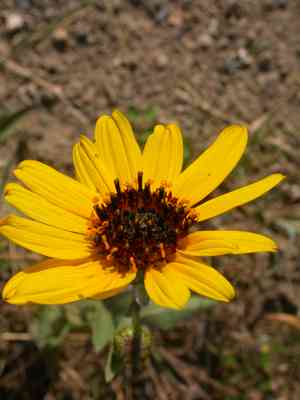
1
Stiff sunflower needs at least 6 hours of direct sun each day.
2
Adequate light promotes strong development and vivid flowers for Stiff sunflower.
3
Too little sun may result in hindered growth, sparse flowering, and greater vulnerability to pests and illnesses.
Ideal Light Conditions for Stiff Sunflower
Full Sun Exposure
For optimal growth, Stiff sunflower requires full sun. This means the plant should be situated where it gets direct sunlight for the majority of the day. Ideally, placing your Stiff sunflower on the south-facing side of your garden or yard ensures it receives uninterrupted sunlight. Sunflowers, generally, are heliophilic, and this type is no different. They naturally orient themselves towards the sun, tracking its movement daily.
Daily Light Duration
Stiff sunflower needs a minimum of 6 hours of direct sunlight daily, though more is always beneficial. In areas with extended daylight hours during summer, sun exposure can be greater, aiding the plant in maximizing its photosynthetic processes. In locations with less natural light or during shorter daylight periods, you might need to ensure sunlight isn't blocked by nearby trees or structures.
Advantages of Sufficient Sunlight for Stiff Sunflower
Enhanced Development
Ample sunlight is crucial for the robust and vigorous development of Stiff sunflower. Sunlight fuels photosynthesis, the process by which plants convert light into energy. This energy is vital for the formation of strong stems and healthy foliage. With enough sunlight, your Stiff sunflower will reach its full potential, achieving the sturdy and upright form characteristic of sunflowers.
Blooming and Flowering
One of the most gratifying aspects of cultivating Stiff sunflower is its beautiful blossoms. These vibrant flowers depend heavily on abundant sunlight to form. Sunlight not only initiates the flowering phase but also improves the size and color intensity of the blooms. Without adequate sunlight, you might observe fewer or smaller flowers, diminishing your garden's visual appeal.
Potential Issues from Insufficient Sunlight
Stunted Development
A lack of adequate sunlight can severely hinder the growth of Stiff sunflower. Instead of the strong and tall stature you'd anticipate, the plant may become elongated or weak. Stunted growth compromises its overall health and can lead to a shorter lifespan, reducing the sunflower's capacity to mature and flower properly.
Poor Flowering
Without sufficient sunlight, Stiff sunflower struggles to produce flowers. Blooms may be sparse, smaller, and less vibrant in hue. Poor flowering not only impacts aesthetic value but can also affect the plant's ability to attract pollinators, thereby influencing its reproductive cycle.
Pest and Disease Vulnerability
Inadequate sunlight results in a weaker plant that is more prone to pests and diseases. A healthy, sun-exposed Stiff sunflower can better defend itself against common sunflower pests like aphids and ailments such as powdery mildew. Conversely, a weakened plant may suffer more frequent and severe infestations or infections.
Recommendations for Providing Optimal Sunlight
Choosing the Correct Site
Selecting the appropriate planting location is essential for your Stiff sunflower. Pick a spot in your garden or yard that is free from shade and receives direct sunlight for at least part of the day. South-facing areas are typically the best option, as they get the most consistent light throughout the day.
Seasonal Light Adjustments
Be aware of how the sun's position shifts with the seasons. During late autumn and winter, the sun is lower in the sky and may cast longer shadows. Adjusting the placement of movable sunflowers or pruning nearby branches that might cast shadows can help ensure your Stiff sunflower continues to receive optimal sunlight year-round.
Utilizing Grow Lights
In regions with shorter days or less natural sunlight, particularly during winter months, using grow lights can supplement natural light. Full-spectrum grow lights can mimic natural sunlight and provide the necessary light intensity and duration. Positioning these lights approximately 30 cm (1 foot) above the plant and on for 12-16 hours daily can make a significant difference.



