Enhancing Your Garden Design with the Stiff sunflower Plant: A Landscaping Guide
1
Stiff sunflower brings a lively aesthetic to any garden due to its impressive look.
2
Appropriate positioning and maintenance of Stiff sunflower can improve its development and lifespan.
3
Combining Stiff sunflower with suitable companion flora promotes ecological diversity and garden well-being.
Introducing Stiff Sunflower for Garden Design
Overview: Why Stiff Sunflower is an Excellent Garden Plant
Selecting appropriate plants for your garden can transform a common area into a lush, lively sanctuary. Stiff sunflower, or Stiff sunflower, is a superb option for adding bursts of color and structure to your garden layout. Known for its robust stems and bright yellow blooms, Stiff sunflower is not only visually appealing but also resilient and simple to cultivate. Its drought-tolerant nature makes it perfect for low-maintenance gardens, while its appeal to pollinators helps support local biodiversity.
The Aesthetic Appeal of Stiff Sunflower: Visual Impact in Your Garden
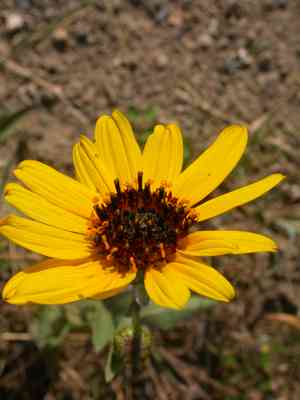
The visual appeal of Stiff sunflower stems from its upright form and cheerful flowers, which can become a focal point in any garden. These blossoms appear in late summer to early autumn, offering a splash of color when many other plants are fading. The vibrant yellow flowers of Stiff sunflower stand tall against green foliage, making them an excellent choice for borders, garden beds, or as part of a mixed planting. Furthermore, its textured leaves and strong stems add a natural, rugged charm to garden landscapes, blending well with both naturalistic and formal garden styles.
Optimal Placement of Stiff Sunflower for Visual Effect
Selecting the Ideal Spot: Key Considerations
Choosing the correct location for Stiff sunflower is vital for maximizing its visual impact and ensuring its healthy development. These sunflowers thrive best in full sun, so find a garden spot that receives at least six to eight hours of direct sunlight daily. Well-drained soil is also crucial for preventing root rot and other moisture-related problems. Consider wind exposure, as well, since the tall stems can be prone to bending or breaking in strong winds. Planting Stiff sunflower in a protected area or using stakes can help reduce this risk and keep your plants upright throughout the growing season.
Enhancing Visibility and Contrast with Companion Plants
When planting Stiff sunflower, consider how to maximize its visibility and create attractive contrasts with other plants. Positioning them against a backdrop of darker foliage or near complementary flower colors can make the yellow blooms stand out even more. Think about layering different heights and textures to add depth and interest to your garden. For example, you can plant Stiff sunflower behind shorter plants that have purple or blue hues, creating a striking visual contrast. Also, ensure proper spacing to prevent overcrowding, giving each plant ample room to thrive without competing for resources.
Pairing Stiff Sunflower with Other Plant Varieties
Perfect Companions for Stiff Sunflower: Boosting Biodiversity
Combining Stiff sunflower with other plants can enhance your garden's biodiversity and beauty. Ideal companions include native grasses, asters, and other wildflowers. These plants share similar growing conditions and bloom times, creating a cohesive and seasonally dynamic display. Additionally, companion plants can attract beneficial insects and pollinators, contributing to a healthier garden ecosystem. By diversifying your plantings, you can create a garden that supports various wildlife while providing continuous visual interest throughout the seasons.
Design Concepts: Crafting Harmonious Plant Groupings
When designing your garden with Stiff sunflower, aim to create harmonious plant groupings that combine different textures, colors, and heights. For instance, you can design a prairie-style garden with Stiff sunflower as the central element, surrounded by soft, airy blooms of purple coneflower and rudbeckia. Or, create a border garden with alternating tall and short plants to achieve a layered look. Incorporating ornamental grasses can add movement and softness, while evergreen shrubs can provide structure and year-round appeal. The key is to find a balance that pleases your eye and suits your garden's conditions.
Seasonal Considerations for Stiff Sunflower
Optimal Planting Time for Stiff Sunflower
The best time to plant Stiff sunflower is in the spring, after the last frost has passed and the soil has warmed up. Planting during this period allows the sunflower to establish its root system and prepare for the upcoming growing season. Early planting also gives Stiff sunflower sufficient time to mature and bloom by late summer. If planting from seed, ensure soil temperatures are consistently warm to promote optimal germination. By utilizing the spring growing season, your Stiff sunflower will have the best chance to flourish and produce stunning flowers.
Adapting Care Throughout the Seasons for Peak Growth
To maintain peak growth, adjust your care routine for Stiff sunflower across the seasons. In spring, focus on soil preparation and planting. As summer approaches, consistent watering and mulching can help retain soil moisture and control weeds. During the flowering period, deadhead spent blooms to encourage continuous flowering and prevent self-seeding. In autumn, cut back the plants after the first frost and apply a layer of mulch to protect the roots over winter. By customizing your care to the changing seasons, you can keep your Stiff sunflower healthy and vibrant all year long.
Preserving the Beauty of Stiff Sunflower in Your Landscape
Routine Maintenance Tips for Health and Longevity
Regular upkeep is crucial for keeping your Stiff sunflower healthy and ensuring its long life. Watering is essential, especially during dry periods, but be careful not to overwater. Regularly inspect for pests and diseases, addressing any issues promptly to prevent their spread. Pruning and deadheading spent flowers encourage new growth and more blooms. Fertilizing once a year with a balanced, slow-release fertilizer can also promote health and vigor. Finally, monitor soil health, amending with compost or organic matter as needed to maintain its nutrient profile.
Addressing Common Challenges in Cultivating Stiff Sunflower
Cultivating Stiff sunflower can present its own set of difficulties, but with the right knowledge, these can be managed effectively. Common issues include aphids, powdery mildew, and root rot. Aphids can be controlled with insecticidal soap or by introducing beneficial insects like ladybugs. For powdery mildew, ensure good air circulation and avoid overhead watering. Root rot, often caused by poor drainage, can be prevented by planting Stiff sunflower in well-drained soil and avoiding overwatering. By remaining vigilant and addressing problems early, you can maintain the beauty and health of your Stiff sunflower throughout the growing season.



