
Stiff sunflower (Helianthus pauciflorus)
Also known as: Stiff Sunflower, Narrowleaf Sunflower
**Prairie coneflower** (*Ratibida columnifera*) is a perennial plant in the sunflower family prevalent across North America, particularly in the Great Plains. It features a bristly, grayish-green stem and thrives in various soil types, including clay, loam, sand, and gravel. This plant is known for attracting numerous butterflies and bees.
In This Article
Attributes of Stiff sunflower
Lifespan
Perennial
Plant Type
Herb
Plant Height
61 cm to 1.8 m
Spread
30 cm
Leaf Color
Silver
Flower Size
5 cm to 8 cm
Flower Color
Yellow Brown
Images of Stiff sunflower


Quickly Identify Stiff sunflower
1
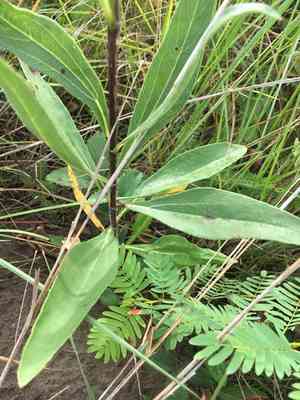
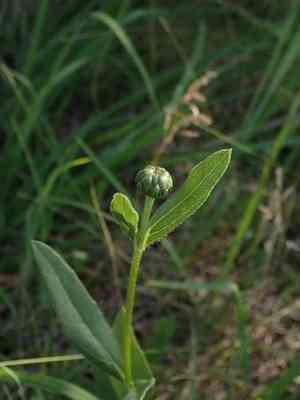
Helianthus pauciflorus can be identified by its stiff, upright stems, narrow leaves, and bright yellow daisy-like flowers with a central brown disc. The leaves are typically lance-shaped and can have a rough texture.
Scientific Classification of Stiff sunflower
Phylum
Vascular plants
Class
Dicotyledons
Order
Asterales
Family
Daisy
Genus
Sunflowers
Species
Stiff sunflower
Planting and Growing of Stiff sunflower
Care Difficulty
Easy
Watering Schedule
Every 3 days
Sunlight Requirements
Full sun
Sunshine Duration
4-6 hours
Ideal Temperature
65-75℉
Soil Type
Potting Mix, Peat Mix
Soil pH
6.5-7.5
Fertilizer Type
Balanced
Pruning Season
Spring, Summer
Pruning Area
Branches, Leaves
Pruning Frequency
2 times a year
Repotting Season
Spring
Pot Type
Plastic, Terracotta
 How to Water Stiff sunflower?
When watering Helianthus pauciflorus, aim to moisten the soil evenly without creating puddles. Use about 500 ml each time, ensuring the soil is moist but not waterlogged. The goal is to allow the soil to dry out slightly between waterings to mimic its natural habitat.
What are the symptoms of an underwatered Stiff sunflower?
›
What should I do if my Stiff sunflower is not getting enough water?
›
What are the symptoms of an overwatered Stiff sunflower?
›
How to save an overwatered Stiff sunflower?
›
 What Are the Sunlight Requirements for Stiff sunflower?
Helianthus pauciflorus requires full sun conditions for optimal growth. Adequate light fosters strong stem development and abundant flowering, recreating the plant's natural sunlit environment.
More About Sunlight Requirements Techniques→
Why does Helianthus pauciflorus prefer full sun?
›
How to provide ideal light for Helianthus pauciflorus?
›
Benefits of ideal lighting for Helianthus pauciflorus
›
 What Is the Ideal Temperature Range for Stiff sunflower?
Helianthus pauciflorus thrives best between 65 and 75 degrees Fahrenheit. This range supports optimal growth and flowering by providing warmth without overheating. Consistent temperatures within this range help maintain physiological processes and promote plant vigor. A moderate temperature environment reduces stress and allows the plant to allocate energy toward robust stem growth and vibrant bloom production.
 What Soil is Best for Stiff sunflower?
Helianthus pauciflorus thrives in well-drained soil, which prevents root rot and supports healthy growth. This quality allows the roots to access oxygen and helps the plant resist diseases. A soil rich in organic matter provides essential nutrients necessary for the vibrant growth of Helianthus pauciflorus, enhancing its flowering potential and overall health. The soil should retain moisture without becoming waterlogged, meeting the water requirements of Helianthus pauciflorus and reducing the frequency of watering needed.
 How to Fertilize Stiff sunflower?
Helianthus pauciflorus thrives in moderate fertility conditions. Apply a balanced liquid fertilizer at half the recommended strength to avoid overfeeding, ensuring nutrients are available without overwhelming the roots.
 How to Prune Stiff sunflower?
Begin by removing any dead or damaged stems to promote healthy growth. Next, trim back the flowering stems by at least a third to encourage bushier growth. This process enhances flower production during the blooming season. Always use sharp, clean secateurs to make precise cuts just above a leaf node or bud. To maintain a compact and tidy shape, selectively prune back the outermost stems. This helps contain the plant's spread, especially in smaller garden spaces. Additionally, trimming any crossing branches will help prevent overcrowding, allowing sunlight to reach all foliage parts. This method ensures a visually balanced, healthy plant.
More About Pruning Techniques→
 How to Propagate Stiff sunflower plant?
1
Choose a healthy Helianthus pauciflorus plant with vigorous growth and no signs of disease. This ensures that the propagated sections have the best chance of surviving and thriving.
2
Carefully dig up the plant and shake off excess soil to expose the roots. Divide the clump ensuring each section has a good root system and some shoots. Replant immediately in prepared soil.
3
For root cutting, select thick, healthy roots. Cut them into sections about 2 to 3 inches long. Ensure each cutting has at least one node, which is essential for new growth.
 How to Repot Stiff sunflower plant?
1
Helianthus pauciflorus should be repotted when it outgrows its container or shows signs of rootbound conditions, such as roots growing out of the drainage holes or a noticeable lack of growth despite proper care. Ideally, repotting should be done in spring or early summer to give the plant ample time to establish in its new home.
2
Choose a pot that is one size larger than the current one, with good drainage holes to prevent waterlogging. A slightly larger pot helps prevent water from accumulating at the bottom and keeps roots well aerated, promoting healthy growth and preventing root rot.
3
Opt for a loamy, well-drained soil mix to ensure that water drains efficiently and doesn't compact around the roots. A mix designed for flowering perennials is ideal as it offers the right balance of nutrients and structure to support vigorous growth.
Learn More About Stiff sunflower Diseases
Anthracnose
Bacterial Leaf Spot
Bacterial Soft Rot
Bacterial Wilt
Crown Gall
Cyst Nematode
Damping-off
Downy Mildew
Drought Stress
Fusarium Wilt
Gray Mold
Leaf Spot
Mosaic
Nutrient Deficiency
Nutrient Toxicity
Powdery Mildew
Root Rot
Root-knot Nematode
Rusts
Sooty Mold
Spider Mites
Temperature Stress
Thrips Damage
White Mold



