How Much Sunlight Do Utah sweetvetch Need?
1
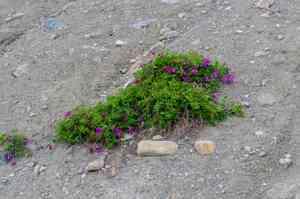
Utah sweetvetch flourishes optimally in full sun, needing a minimum of 6-8 hours of direct light daily.
2
For indoor cultivation, position Utah sweetvetch by a south-facing window to guarantee sufficient sunlight.
3
Excessive or insufficient light can negatively impact Utah sweetvetch's development, leading to stress indicators like leaf color changes.
Grasping Utah sweetvetch's Light Requirements
The Vital Role of Light for Utah sweetvetch Development
Light is fundamental for Utah sweetvetch to carry out photosynthesis, the process converting light energy into chemical energy for growth. Without sufficient light, Utah sweetvetch might not flower and could struggle to develop a robust root system. Ample light ensures vibrant foliage, strong growth, and abundant blooms.
Ideal Daily Light for Utah sweetvetch
Utah sweetvetch thrives in full sun, meaning it needs at least 6-8 hours of direct sunlight daily. This amount of light not only encourages more flowering but also enhances the plant's overall health. Placing Utah sweetvetch where it gets ample morning sun often yields the best outcomes, as morning light is typically less harsh and more beneficial than intense afternoon sun.
Selecting the Perfect Spot for Utah sweetvetch
Optimal Outdoor Placements
For outdoor cultivation, select a site that receives abundant direct sunlight throughout the day. Look for areas not shaded by trees or structures. Garden beds, borders, and open spaces are excellent choices. Ensure the soil drains well, as Utah sweetvetch does not tolerate waterlogged conditions.
Indoor Light Solutions
When cultivating Utah sweetvetch indoors, positioning it near a south-facing window is key to maximize sun exposure. If natural light is insufficient, especially during shorter winter days, consider supplementing with grow lights to provide the necessary light spectrum. Rotate the plant regularly to ensure uniform light distribution on all sides.
Monitoring and Modifying Light Exposure
Indicators of Excessive Light
While Utah sweetvetch loves the sun, too much exposure can cause sunburn, appearing as scorched or bleached leaves. Other signs include leaf curling and wilting. If these symptoms appear, providing partial shade during peak sun hours or relocating the plant to a slightly shaded area might be necessary.
Indicators of Insufficient Light
Inadequate light can lead to etiolated growth, where the plant stretches toward the light source, resulting in weak and elongated stems. The plant may also produce fewer flowers and display pale, yellowish leaves. Addressing this involves moving the plant to a brighter location or supplying additional artificial lighting.
Steps to Adjust Light Exposure
If light adjustment is needed, begin by gradually acclimating the plant to the new conditions. For outdoor plants, consider using shade cloths to filter sunlight if overexposure is an issue. For indoor plants, adjust positioning or use grow lights as appropriate. Always observe the plant's reaction and make gradual changes to prevent sudden shock.
Utah sweetvetch's Seasonal Light Needs
Spring and Summer Modifications
During spring and summer, Utah sweetvetch is actively growing and blooming. Ensure it receives plenty of light but be mindful of intense afternoon sun, which can be too strong. Providing some afternoon shade might be helpful in regions with very high summer temperatures.
Fall and Winter Considerations
In fall and winter, daylight hours shorten, and light intensity diminishes. It's crucial to ensure Utah sweetvetch still gets adequate light. For outdoor plants, this might mean moving them to sunnier spots, and for indoor plants, using grow lights can compensate for the lack of natural light.



