How to Propagate Utah sweetvetch?
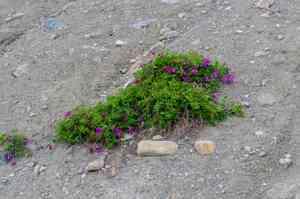
Utah sweetvetch, a legume family member, flourishes when propagated by seeding. To achieve successful sprouting, utilizing new seeds is crucial for improved viability. Prepare seeds with a scarification technique to overcome dormancy and encourage consistent germination. Sow the seeds in soil that drains effectively, making sure they are not planted excessively deep to facilitate effortless emergence. Regular observation for dampness and preventing the soil from becoming arid will boost germination percentages.
Optimal Time for Utah Sweetvetch Propagation
Propagation Method
Seeding
Propagation Period
Spring
Tools for Utah Sweetvetch Propagation
Seed Trays
Seed trays are essential for initiating utah sweetvetch from seeds. They enable efficient arrangement and simple oversight of numerous seeds in a regulated setting. This setup assists in sustaining consistent moisture and temperature, vital for utah sweetvetch germination. Their compact design makes seed trays perfect for maximizing space while managing many seedlings.
Misting Spray Bottle
A misting spray bottle is crucial for gently hydrating utah sweetvetch seeds without dislodging them or eroding the soil. The fine mist delivers the necessary moisture for seed germination without overwhelming the delicate seeds and young sprouts. This tool is particularly useful for maintaining appropriate humidity levels around utah sweetvetch, which helps boost germination rates.
Peat Pots
Peat pots are advantageous for utah sweetvetch as they are biodegradable and can be directly planted into the ground once seedlings are ready for transplant. This minimizes transplant shock, as utah sweetvetch roots remain undisturbed during the planting process. Peat pots also foster root growth as they naturally decompose in the soil, encouraging roots to spread.
Heat Mat
Employing a heat mat aids in sustaining the ideal soil temperature required for utah sweetvetch germination. Heat mats are critical during colder seasons or in cooler climates where ambient temperatures can hinder utah sweetvetch germination. By providing a steady heat source, these mats ensure the soil stays warm, which is vital for accelerating germination and improving success rates.
How to Propagate Utah Sweetvetch
Propagation Difficulty
Simple
Caring for Newly Propagated Utah Sweetvetch
Caring for Newly Propagated Utah Sweetvetch
Post-propagation, utah sweetvetch needs full sun to partial shade and well-draining soil. Watering should be regular but moderate, allowing the soil to dry slightly between sessions. As utah sweetvetch is adapted to poor soils, minimal fertilization is required. Mulching can help retain soil moisture and suppress weed growth. Regularly check for pests and diseases, though utah sweetvetch is generally robust once established.
Common Propagation Mistakes for Utah Sweetvetch
Overwatering
Excessive watering can cause root rot in utah sweetvetch, impeding the development of healthy roots necessary for successful propagation.
Deep planting
Planting utah sweetvetch seeds or root cuttings too deeply can hinder proper germination and growth, as they need sufficient light and air exposure to develop.
Ignoring soil composition
Using an unsuitable soil mix, especially one that drains poorly, can be detrimental as utah sweetvetch prefers well-drained soils to prevent waterlogging and related root problems.
Tips for Propagating Utah Sweetvetch
Soil preparation
Selecting a well-draining soil mix and ensuring the propagation medium is loose and fertile is crucial for utah sweetvetch's root development.
Controlled watering
Maintaining a balance in watering—keeping the soil moist but not waterlogged—is key. Too much water harms root health, while too little can dry out the roots.
Shallow planting
Seeds and root cuttings of utah sweetvetch should be placed superficially within the soil to facilitate adequate light exposure and air circulation, essential for successful germination and growth.



