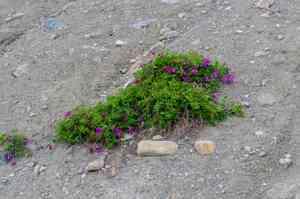
Utah sweetvetch (Hedysarum boreale)
Also known as: Northern Sweetvetch, Bear Root
Penstemon, also known as beardtongue, is a versatile flowering plant found extensively across North America and Canada. In Utah, it typically grows at elevations ranging from 1219 to 2438 meters. Due to its adaptability and drought resistance, Penstemon is a favored choice for xeriscaping.
In This Article
Attributes of Utah sweetvetch
Lifespan
Perennial
Plant Type
Herb
Plant Height
30 cm to 60 cm
Spread
50 cm
Leaf Color
Green
Flower Size
1.7 cm
Flower Color
Pink Purple Red
Images of Utah sweetvetch
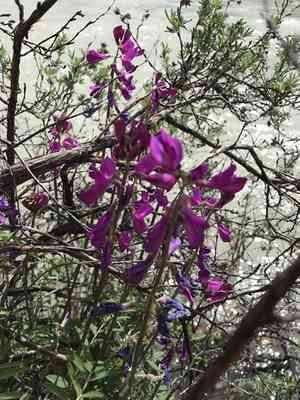
Quickly Identify Utah sweetvetch
1
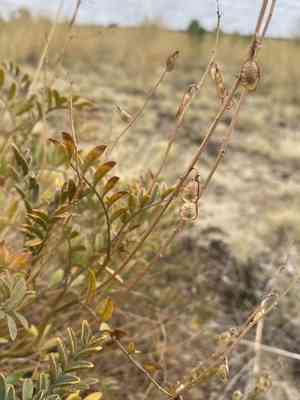
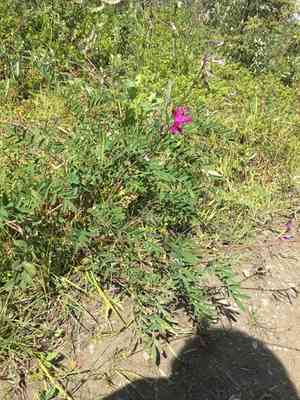
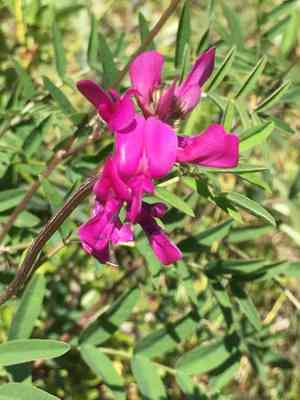
Identify Hedysarum boreale by its compound leaves, typically with 11-25 leaflets, and pink to purple pea-like flowers arranged in elongated clusters. The plant also features distinctive elongated seedpods with constricted segments.
Scientific Classification of Utah sweetvetch
Phylum
Vascular plants
Class
Dicotyledons
Order
Fabales
Family
Legume
Genus
Sweetvetches
Species
Utah sweetvetch
Planting and Growing of Utah sweetvetch
Care Difficulty
Easy
Watering Schedule
Every 2 days
Sunlight Requirements
Full sun
Sunshine Duration
6-10 hours
Ideal Temperature
60-75℉
Soil Type
Potting Mix, Peat Mix
Soil pH
6.5-7.5
Fertilizer Type
Balanced
Pruning Season
Spring, Summer
Pruning Area
Branches, Leaves
Pruning Frequency
2 times a year
Repotting Season
Spring
Pot Type
Plastic, Ceramic
 How to Water Utah sweetvetch?
Hedysarum boreale needs approximately 500ml of water per session. Water until the soil is thoroughly moist but not soggy. The soil should feel damp to touch without excess water pooling on the surface. Ensure the water reaches the root zone, promoting deeper root growth and overall plant health.
What are the symptoms of an underwatered Utah sweetvetch?
›
What should I do if my Utah sweetvetch is not getting enough water?
›
What are the symptoms of an overwatered Utah sweetvetch?
›
How to save an overwatered Utah sweetvetch?
›
 What Are the Sunlight Requirements for Utah sweetvetch?
Partial sun to full sun is ideal for Hedysarum boreale, facilitating optimal photosynthesis and encouraging lush growth and abundant flowering.
More About Sunlight Requirements Techniques→
How much light does Hedysarum boreale need?
›
What if my plant does not get enough light?
›
Benefits of exposing the plant to ideal light conditions
›
 What Is the Ideal Temperature Range for Utah sweetvetch?
For optimal growth, Hedysarum boreale thrives best in a temperature range of 60 to 75°F. This ensures that the plant has the right conditions to perform metabolic activities efficiently and develop healthy foliage.
 What Soil is Best for Utah sweetvetch?
Hedysarum boreale thrives in soil that offers excellent drainage. This condition prevents waterlogging, which can lead to root rot and other fungal diseases, ensuring the long-term health of the plant. This plant does well in moderately fertile soils, where nutrients are plentiful enough to support its growth and blooming needs, but not excessive so as to inhibit its hardy characteristics. Preferring a neutral to slightly alkaline pH, Hedysarum boreale stands out in environments where other plants might struggle, taking full advantage of the available minerals in such soils.
 How to Fertilize Utah sweetvetch?
For Hedysarum boreale, use a balanced liquid fertilizer with equal parts of nitrogen, phosphorus, and potassium. Dilute it to half the strength recommended on the label to avoid root burn. Apply about 250 ml for a medium-sized plant each time.
 How to Prune Utah sweetvetch?
Start by inspecting the plant thoroughly and identify branches that are clearly dead or damaged. These should be pruned back to the nearest healthy bud or branch to prevent disease and stimulate healthy growth. Once the deadwood is cleared, focus on shaping. Aim for a balanced outline, removing any wayward branches that disrupt the natural form of the plant. This helps in promoting a dense, bushy appearance that can support more blooms. For optimal flowering, perform a light pruning after the first bloom in early summer. This encourages a second bloom cycle and keeps the plant tidy. Use this opportunity to shorten long vines and encourage a compact shape.
More About Pruning Techniques→
 How to Propagate Utah sweetvetch plant?
1
Collect seeds from mature Hedysarum boreale pods once they turn brown. Clean and dry the seeds properly to prevent mold before storage or immediate sowing.
2
Choose healthy stems several inches long from the mature plant. Cut at an angle just below a node to enhance rooting chances. Remove lower leaves to minimize moisture loss.
3
Carefully dig up the root ball and divide it into multiple sections, ensuring each section has roots and shoots. Replant immediately to avoid desiccation.
 How to Repot Utah sweetvetch plant?
1
The ideal time to repot Hedysarum boreale is when you notice its roots growing out of the drainage holes or the plant appears to be overcrowded in its current pot. Early spring is the best time, as it gives the plant the entire growing season to recover. Additionally, if the plant seems to be languishing despite regular care, a new pot and fresh soil might rejuvenate it.
2
Choose a pot that is slightly larger than the current one, ideally one to two inches in diameter. This ensures enough space for root growth without overwhelming the plant. A pot with adequate drainage holes is essential to prevent waterlogged roots, which can lead to root rot. A terracotta pot can also help moderate soil moisture due to its porous nature.
3
A well-draining soil mix is crucial for Hedysarum boreale to prevent water accumulation. A blend of sandy or loamy soil, combined with perlite or coarse sand, provides good drainage. Such mixtures replicate the plant's natural habitat and contribute to healthier root growth and overall plant vitality.
Learn More About Utah sweetvetch Diseases
Anthracnose
Bacterial Leaf Spot
Bacterial Wilt
Chemical Injury
Crown Gall
Cyst Nematode
Damping-off
Downy Mildew
Drought Stress
Fusarium Wilt
Gray Mold
Leaf Spot
Mosaic
Nutrient Deficiency
Nutrient Toxicity
Powdery Mildew
Root Rot
Root-knot Nematode
Rusts
Sooty Mold
Spider Mites
Temperature Stress
Thrips Damage
White Mold



