How to Prune Utah sweetvetch?
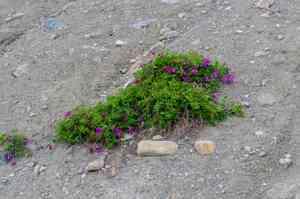
Utah sweetvetch, a vibrant-flowered legume, flourishes with infrequent trimming. Throughout the Spring to Fall period, remove spent blossoms to stimulate further flowering and sustain the plant's vitality. After blooming, a gentle annual shaping can be performed to manage its expansion, utilizing sanitized, keen implements to sever any lifeless or fractured stems. Regular seasonal tidying enhances the plant's well-being and aesthetic, readying it for a vigorous cultivation period. Avoid extensive cutting, as this may diminish bloom production and overall development.
What Are the Benefits of Pruning Utah Sweetvetch?
What Are the Benefits of Pruning Utah Sweetvetch?
Trimming utah sweetvetch encourages more abundant blooms, helps maintain its desired shape, and stimulates robust development, leading to a healthier and more attractive specimen.
What Is the Best Time for Pruning Utah Sweetvetch?
What Is the Best Time for Pruning Utah Sweetvetch?
Trimming utah sweetvetch in late spring, following the final frost, allows for the removal of any winter damage and promotes vigorous new growth. Early summer pruning is ideal for shaping the plant and ensuring energy is directed towards producing strong, vibrant foliage. Pruning during autumn is not advised as it can stimulate new growth that may not endure cold temperatures. The recommended seasons consider utah sweetvetch's active growth phase, improving its health, and enabling it to recover and thrive after pruning.
What Tools Do I Need to Prune Utah Sweetvetch?
Bypass Hand Pruners
Perfect for making clean cuts on the green, living stems of utah sweetvetch without crushing plant tissues, fostering healthier regrowth.
Pruning Saw
Useful for cutting through thicker, woodier stems that hand pruners cannot manage, ensuring quick and effective removal of larger branches.
Gloves
Protects hands from thorns and rough plant material while trimming utah sweetvetch, enhancing safety and comfort.
Loppers
Offers extended reach and increased leverage for trimming hard-to-reach areas or thicker branches, ensuring a clean cut without harming utah sweetvetch.
Garden Shears
Best for shaping utah sweetvetch and trimming smaller, detailed sections for aesthetic purposes.
How to Prune Utah Sweetvetch
Identify and prepare
Locate diseased, withered leaves, and spent flowers on utah sweetvetch. Ensure you have clean, sharp pruning shears or scissors to make precise cuts without damaging healthy tissue.
Disinfect tools
Before beginning, sanitize tools to prevent disease spread. Wipe blades with a bleach and water solution or use rubbing alcohol.
Remove diseased leaves
Carefully trim off diseased leaves from utah sweetvetch by cutting at the base of the leaf stem, being careful not to harm nearby healthy leaves and stems.
Trim withered leaves
Remove withered leaves similarly, cutting at the base without damaging the plant's healthy parts to encourage new growth.
Deadhead flowers
Deadhead faded flowers by snipping them off just above the first set of healthy leaves. This helps encourage more blooming and maintain the plant's shape.
Common Pruning Mistakes with Utah Sweetvetch
Overpruning
Removing too much of utah sweetvetch's foliage at once can weaken the plant and slow its growth, as utah sweetvetch requires a significant amount of its growth for photosynthesis and health maintenance.
Improper cut locations
Making cuts in the wrong spot can lead to damage or disease. It's crucial to cut just above a bud or branching point without leaving a stub that could harbor pests or disease.
Using dull tools
Dull or dirty pruning tools can create jagged cuts that are more susceptible to infection. Always use sharp, clean tools to make precise cuts on utah sweetvetch.
Ignoring dead or diseased growth
Failing to remove dead or diseased growth can allow problems to spread to other parts of utah sweetvetch, which can impact the plant's overall health.
Common Pruning Tips for Utah Sweetvetch
Selective pruning
Employ a selective approach when trimming utah sweetvetch, focusing on removing only dead, damaged, or diseased stems to promote better airflow and plant health.
Ideal cut angle
Make cuts at a 45-degree angle, which aids healing and directs new growth in the desired direction.
Maintaining plant shape
Aim to preserve utah sweetvetch's natural form when pruning. Remove only the necessary growth to enhance the plant's shape without drastically altering it.
Promoting flowering
Since the timing of pruning was excluded, consider light thinning to remove crowded growth, which will increase sunlight exposure and air circulation, thereby potentially enhancing flower production in utah sweetvetch.



