How Much Sunlight Do Caricature-plant Need?
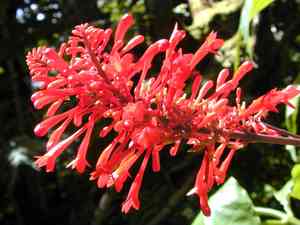
1
The Caricature-plant flourishes optimally in areas with filtered sunlight, needing approximately 3-6 hours of sun each day.
2
It is capable of enduring direct sun exposure, but be mindful to protect its tender foliage from scorching.
3
Inadequate illumination may lead to the Caricature-plant developing elongated stems and diminished color.
Ideal Illumination for the Caricature-plant
Understanding the Light Spectrum
The caliber of light your Caricature-plant receives is as vital as its amount. The light spectrum comprises various wavelengths, with blue and red light being essential for photosynthesis. Blue light aids in foliage and root development, while red light encourages blooming. Ensuring your plant gets a balanced light spectrum will support its overall growth.
How Much Light Does the Caricature-plant Need?
The Caricature-plant thrives in partial sun, meaning it requires approximately 3-6 hours of direct sunlight daily. While it can endure full sun, extended exposure without relief can cause scorching. Morning sun is typically less intense, making it perfect for these plants.
Optimal Locations for Your Caricature-plant
Finding the perfect spot for your Caricature-plant can make a significant difference. Choose east or west-facing windows where the plant can receive morning or late afternoon sun. If kept outdoors, consider placing it where it gets some shade during the hottest afternoon hours to avoid the most intense sunlight.
Indicators of Excessive Sun Exposure
Recognizing Sunburn in Caricature-plant
Sunburn on Caricature-plant manifests as brown, dry patches on its leaves. If you observe the edges becoming brittle and the vibrant color fading, your plant might be receiving too much sunlight. Prompt action is crucial to prevent further harm.
Preventing Sun Damage
Preventing sun damage involves monitoring your plant's light exposure and repositioning it if necessary. Using sheer curtains to diffuse sunlight or moving the plant to a location with filtered light can significantly reduce the risk of sunburn.
Treating Sunburned Foliage
If your Caricature-plant has suffered sunburn, the initial step is to relocate it to an area with less intense light. Prune the damaged leaves to stimulate new growth. Ensure the plant receives adequate water and consider a foliar spray to aid its recovery.
Consequences of Insufficient Sunlight for Caricature-plant
Symptoms of Inadequate Light
A Caricature-plant not receiving enough light will appear elongated, with stretched stems and sparse leaves. Its vibrant coloration may also diminish, leaving the plant looking dull and unhealthy.
Remedial Actions for Low Light Conditions
If your plant isn't getting sufficient light, gradually move it to a brighter spot. Ensure the relocation is progressive to avoid shocking the plant. Another option is to clean the window to allow more light to penetrate.
Utilizing Artificial Light for Caricature-plant
Artificial light can be an excellent supplement, especially during darker months. Use full-spectrum LED grow lights and position them about 30 centimeters (12 inches) above the plant. Aim for approximately 12-16 hours of light daily to mimic the natural sun cycle.
Seasonal Light Fluctuations
Adjusting to Seasonal Light Changes
As seasons shift, the angle and intensity of sunlight will also vary. During winter, move your Caricature-plant closer to windows and consider using artificial lights. In summer, adjust its position to avoid the harsh midday sun.
Indoor vs. Outdoor Light Considerations
Indoor plants may require adjustments based on seasonal lighting changes as well. Indoor light is less intense, so placing the plant nearer to windows during shorter winter days is beneficial. Outdoor plants can remain in place but might need temporary shading during peak sun hours in summer.
Repositioning Your Caricature-plant
Regularly rotating your plant ensures even light distribution, preventing one side from becoming leggy. As light conditions change with the seasons, don't hesitate to move your plant's location to ensure it always receives optimal light exposure.



