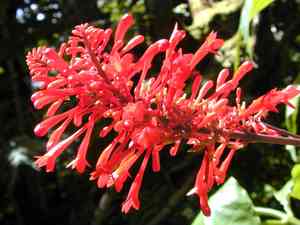
Caricature-plant (Graptophyllum pictum)
Also known as: Caricature plant, Graptopophyllum flower
The caricature-plant (Graptophyllum pictum) features vibrant, variegated leaves, typically showcasing a mix of green with cream, pink, or purple hues. In tropical regions, it can grow quite large and is versatile in its light needs, doing well in both full sun and full shade. This plant adds a unique visual appeal to gardens and flowerbeds. It requires regular watering, as it is not drought-tolerant and benefits from consistent moisture, particularly during the summer months.
In This Article
Attributes of Caricature-plant
Lifespan
Perennial
Plant Type
Shrub
Plant Height
1.2 m to 2.5 m
Spread
60 cm to 1.2 m
Leaf Color
Green Variegated
Flower Size
2.5 cm to 5 cm
Flower Color
Purple Red Pink
Images of Caricature-plant
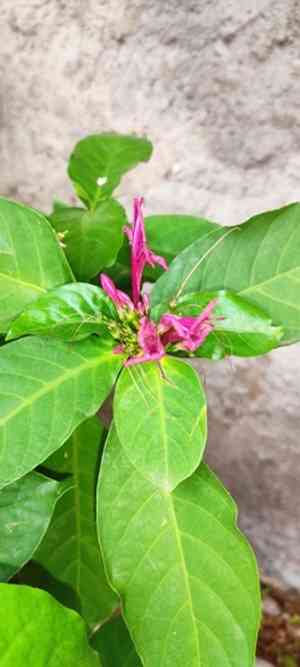
Quickly Identify Caricature-plant
1
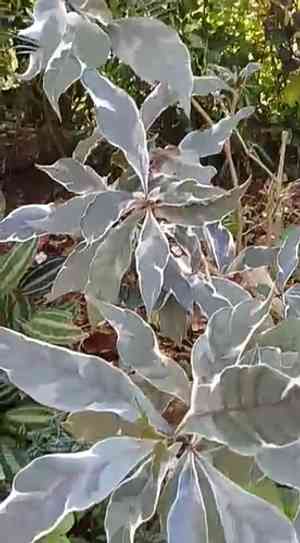
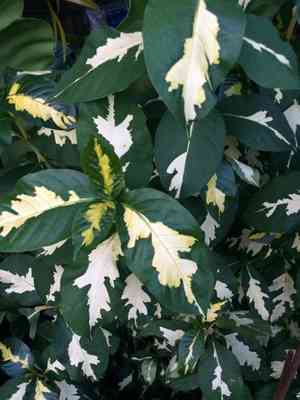
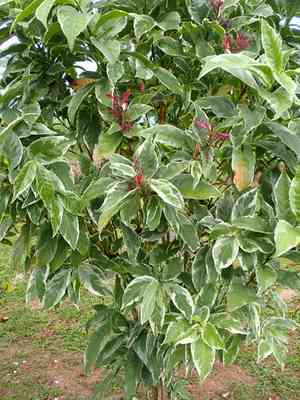
Look for its distinctive leaves, which are large, glossy, and often feature patches of different colors such as green, white, purple, or red. The plant also produces small, tubular flowers that are typically dark maroon or purple.
Scientific Classification of Caricature-plant
Phylum
Vascular plants
Class
Dicotyledons
Order
Lamiales
Family
Acanthus
Genus
Graptophyllum
Species
Caricature-plant
Planting and Growing of Caricature-plant
Care Difficulty
Easy
Watering Schedule
Every 2 days
Sunlight Requirements
Partial sun
Sunshine Duration
6-10 hours
Ideal Temperature
65-75℉
Soil Type
Potting Mix, Peat Mix
Soil pH
6.5-7.5
Fertilizer Type
Balanced
Pruning Season
Spring, Summer
Pruning Area
Branches, Leaves
Pruning Frequency
2 times a year
Repotting Season
Spring
Pot Type
Plastic, Ceramic
 How to Water Caricature-plant?
Graptophyllum pictum thrives when watered deeply but infrequently. Aim for about 500 ml each time, ensuring the water reaches the root zone without waterlogging. Always let the soil surface dry out before the next watering to safeguard against root rot.
More About Watering Techniques→
What are the symptoms of an underwatered Caricature-plant?
›
What should I do if my Caricature-plant is not getting enough water?
›
What are the symptoms of an overwatered Caricature-plant?
›
How to save an overwatered Caricature-plant?
›
 What Are the Sunlight Requirements for Caricature-plant?
Partial sun conditions are perfect, encouraging robust growth and vibrant leaf colors without the risk of stress. Such conditions emulate its native habitat, ensuring optimal health.
More About Sunlight Requirements Techniques→
What is the ideal sunlight amount for Graptophyllum pictum?
›
How can I provide the ideal light conditions for this plant?
›
What benefits does ideal lighting provide for Graptophyllum pictum?
›
 What Is the Ideal Temperature Range for Caricature-plant?
The ideal temperature range for Graptophyllum pictum is between 65°F and 75°F. This range is optimal for its growth and development, allowing the plant to thrive and maintain its vibrant foliage. Temperatures in this range promote proper metabolic activity and overall plant health.
 What Soil is Best for Caricature-plant?
Graptophyllum pictum thrives in well-drained soil conditions where excess water doesn't accumulate. This helps prevent root rot and supports healthy plant growth by ensuring oxygen reaches the root zone. The plant benefits from soil rich in organic matter, allowing it to access essential nutrients. This supports lush foliage and vibrant colors, enhancing its ornamental appeal. A soil pH ranging from 6.5 to 7.5 ensures Graptophyllum pictum can efficiently absorb nutrients, promoting robust growth and optimal flowering.
More About Soil→
 How to Fertilize Caricature-plant?
For Graptophyllum pictum, the amount of fertilizer should be moderate. When using liquid fertilizers, aim for a dilution of about 1/4th the recommended strength to prevent damage to the roots. In case of slow-release granules, a small handful spread evenly around the base should be sufficient. The key is to avoid clustering the fertilizer in one spot, which can lead to root burn.
More About Fertilizing Techniques→
 How to Prune Caricature-plant?
Identify any leggy or overgrown branches and make clean cuts just above a leaf node. This technique encourages the plant to develop new shoots and leads to a fuller appearance. Remove spent flowers by cutting them off at the base of the flower stem. Deadheading not only tidies the plant, but it also directs energy towards new growth and budding.
More About Pruning Techniques→
 How to Propagate Caricature-plant plant?
1
Choose a healthy, mature stem from the mother plant. Ideally, it should be about 4-6 inches long and free of any pest or disease. The segment should have at least two nodes.
2
Remove the leaves from the lower half of the cutting to expose the nodes, which is where roots will develop. Dip the cut end in rooting hormone powder for better root initiation.
3
Insert the cutting into a pot filled with a well-draining soil mix. Firm the soil around the cutting to hold it in place, and water lightly to moisten the soil.
 How to Repot Caricature-plant plant?
1
Look for signs like roots growing out of the drainage holes, slow growth, or if the plant becomes top-heavy. These indicators suggest it's time for a larger space to ensure healthy growth.
2
Select a pot that is 1-2 inches larger in diameter than the current one. Ensure it has drainage holes to prevent waterlogging, which can cause root rot. A slightly bigger pot provides ample space for growth while ensuring proper aeration.
3
Opt for a well-draining soil, ideally a potting mix with perlite or sand. This type of soil allows excess water to escape, preventing overwatering and promoting healthy root development, crucial for Graptophyllum pictum.
Toxicity
Ingestion, Skin Contact
WARNING
The judgment on toxicity and danger is for reference only. We DO NOT GUARANTEE any accuracy of such judgment. Therefore, you SHALL NOT rely on such judgment. It is IMPORTANT TO SEEK PROFESSIONAL ADVICE in advance when necessary.
Learn More About Caricature-plant Diseases
Anthracnose
Bacterial Leaf Spot
Bacterial Soft Rot
Bacterial Wilt
Black Spot
Chemical Injury
Crown Gall
Damping-off
Downy Mildew
Drought Stress
Fusarium Wilt
Gray Mold
Leaf Curl
Leaf Spot
Mosaic
Nutrient Deficiency
Nutrient Toxicity
Powdery Mildew
Root Rot
Root-knot Nematode
Rusts
Sooty Mold
Spider Mites
Temperature Stress
Thrips Damage
White Mold



